As Madhya Pradesh revives public bus network after 21 years, a warning from Gadkari
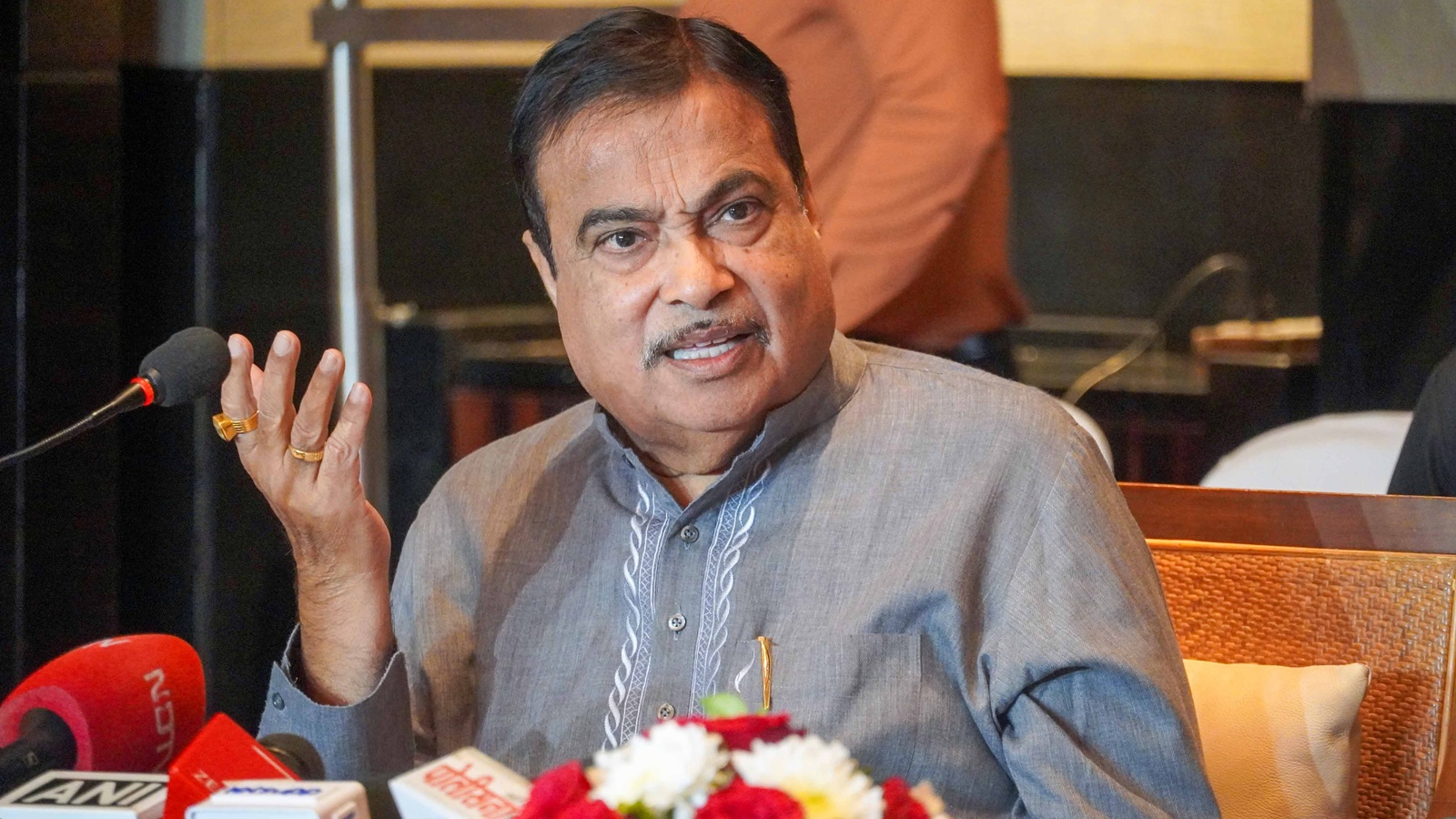
Madhya Pradesh has re-established its public bus network after a 21-year hiatus, with Union Road Transport and Highways Minister Nitin Gadkari unveiling the launch. The initiative aims to reinforce safety measures, enforce stricter regulations, and intensify the transition towards electric public transport. Gadkari emphasized the need for manufacturers to meet stringent standards, warning that non-compliance would be penalized as severely as the government is addressing contractors.
The Mukhyamantri Sugam Parivahan Sewa and PM e-Bus Sewa, introduced on Friday at BHEL Dussehra Ground in Bhopal, comprise 351 buses, of which 120 are intercity and 231 intracity. These buses will be operated through a public-private partnership model, with Indore receiving the most allocation at 145 buses, followed by Bhopal (106) and Jabalpur (67).
Rewa, Dewas, Katni, and Bhind will receive 18, three, two, and 10 buses, respectively. The state government aims to expand the network to approximately 1,500 buses in the first year, with subsequent annual additions ranging from 2,500 to 3,000 buses, eventually reaching a target of 15,000 buses by 2031. This revival comes two decades after the Madhya Pradesh State Road Transport Corporation (MPSRTC) was shut down in 2005 due to losses and debt, totaling around Rs 756 crore in accumulated liabilities and nearly Rs 5 crore in monthly losses.
Under the revamped system, bus manufacturers must undergo type-approval certification from an authorized testing agency before registration, and a detailed checklist for each bus must be prepared and verified through physical inspection and video verification on the Vahan portal. Gadkari stressed that RTO officers should not clear buses for registration without completing these checks, and urged officials to avoid corruption in the process, warning that improper approvals could lead to job loss.
In 2024, 3,800 people lost their lives in bus-related accidents across India, prompting the introduction of tighter standards under the revised Bus Body Code, which took effect on September 1, 2025. The new buses come equipped with advanced safety features, including CCTV cameras, panic buttons, and vehicle-location tracking systems.
Additionally, passenger information systems will provide real-time service updates, and an Intelligent Transport Management System will monitor bus operations through command-and-control centers. The government also plans to train drivers in modern vehicle technology, safety protocols, and the operation of CNG and electric buses, alongside establishing a passenger grievance-redressal mechanism.
Written by urgent.news from The Indian Express's reporting — not their text. Machine-written — may contain errors; check the original before relying on it.