Archaeologists Uncover 5,000-Year-Old Dolmen in Southern Spain
Archaeologists from the University of Cadiz have unveiled a remarkably well-preserved 5,000-year-old dolmen in southern Spain that sheds new light on funerary rites and long-distance exchange in the third millennium B.C., the university said Monday. The structure, identified as Dolmen I of the La Lentejuela necropolis in Teba, Malaga province, stretches about 13 meters (43 […]
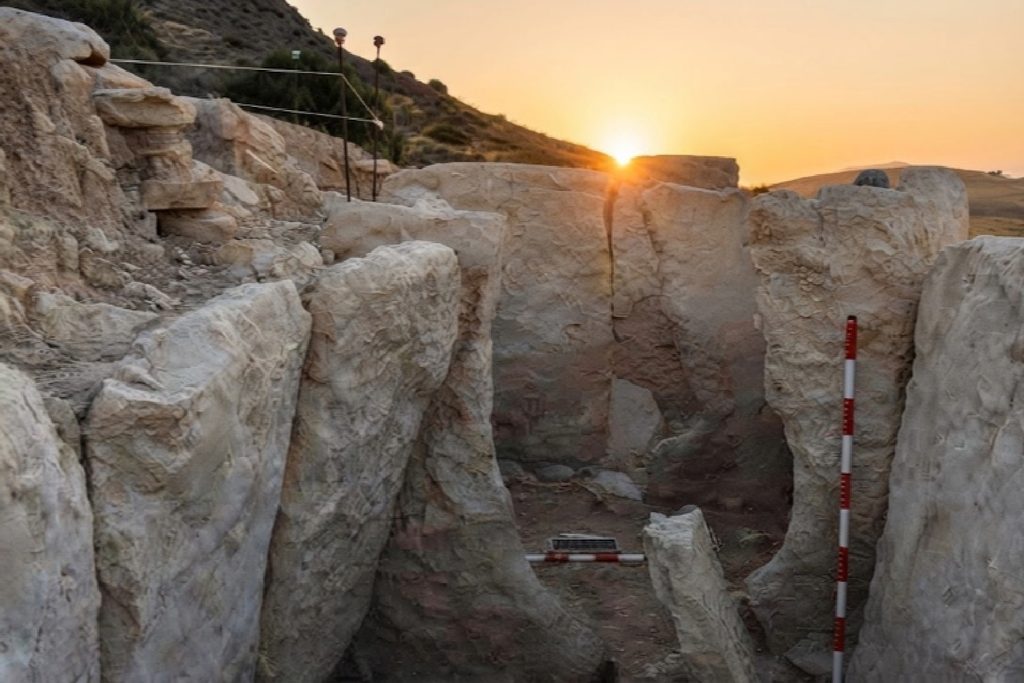
Spanish archaeologists have unearthed a remarkably well-preserved 5,000-year-old dolmen in southern Spain, offering fresh insights into ancient funerary practices and trade networks during the third millennium B.C. Located in Teba, Malaga province, the dolmen measures 13 meters and houses a complex internal structure with multiple chambers and an array of prestigious grave goods.
These include ivory, amber, marine shells, and intricately crafted flint artifacts such as arrowheads and blades, which suggest a hierarchical society and extensive trade connections. Professor Serafin Becerra, director of the Teba Museum, described the site as one of the most complete dolmens in Andalucia. Co-director Eduardo Vijande of the University of Cadiz emphasized the exceptional preservation of the structure, which will enable researchers to gain detailed knowledge about the daily lives and beliefs of the ancient communities.
The research project, funded by the Junta de Andalucia and supported by various institutions, utilized advanced archaeological techniques to document the monument and analyze the materials. The discovery underscores the University of Cadiz's significance in European megalithic studies and underscores the importance of preserving Andalucia's rich archaeological heritage.
Written by urgent.news from Colombia One's reporting — not their text. Machine-written — may contain errors; check the original before relying on it.