Apple just joined the fold with the iPhone Duo, but laptops keep sitting out the foldables party
Once touted as an evolution of the clamshell, no new foldable laptops have been released in years. Can they make a comeback?
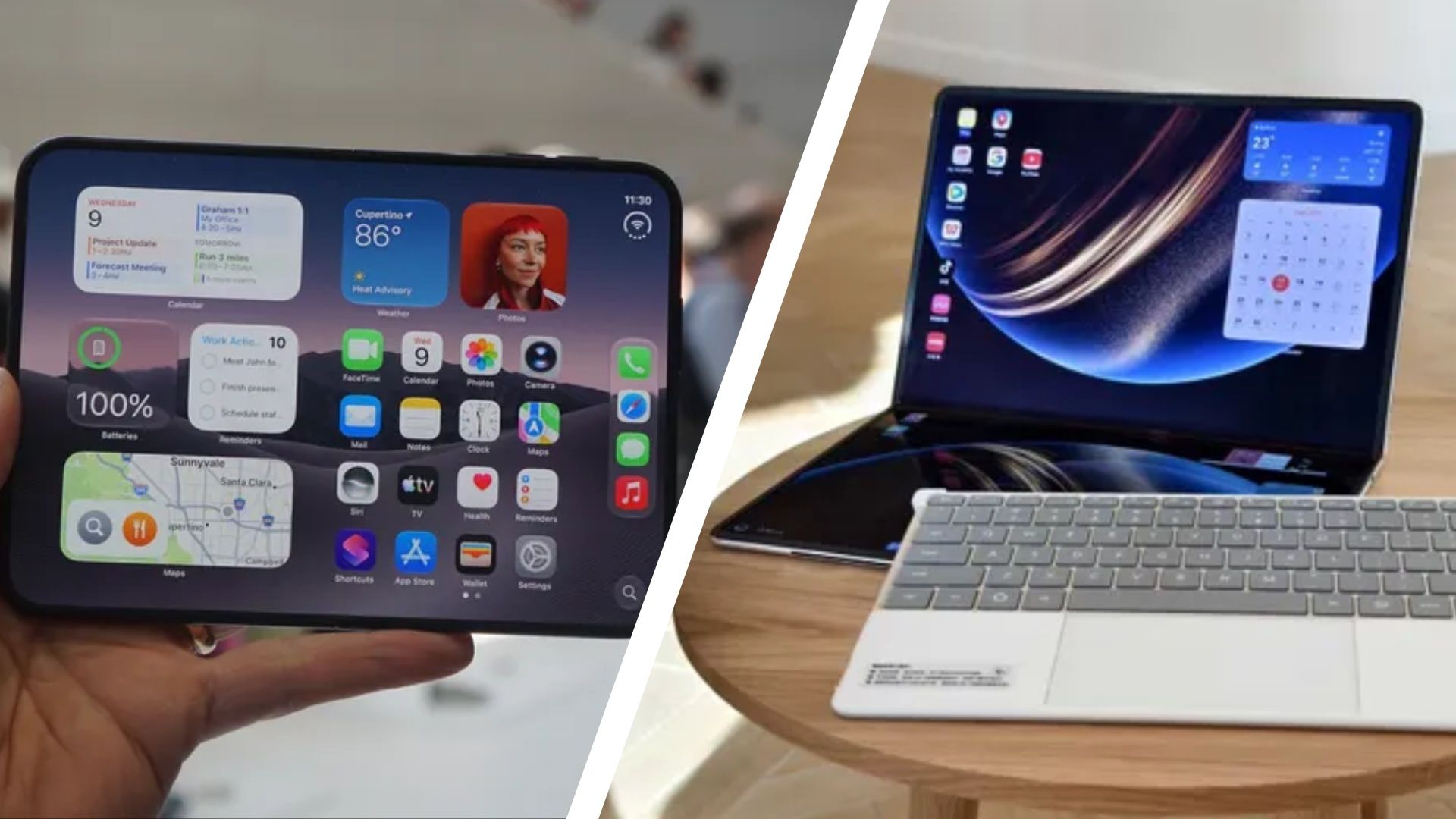
Apple recently added the iPhone Duo to the lineup of folding smartphones available to U.S. customers, joining Google, Motorola, and Samsung in the foldable category. However, in the realm of foldable laptops, the situation is quite different. Only four models have ever been produced, sourced from Asus, Huawei, HP, and Lenovo. While Samsung's Galaxy Z Fold and Z Flip series have undergone an annual upgrade cycle, the foldable-screen laptop market has remained relatively stagnant.
The latest addition to this niche, Lenovo's ThinkPad Fold 16 Gen 2, launched over a year after its initial reveal. The obstacles preventing foldable laptops from becoming more mainstream are multifaceted, encompassing structural, technological, and economic concerns. At their introductions, foldable laptops commanded premium prices, with the Asus Zenbook 17 Fold OLED starting at $3,500 in 2022 and the HP Spectre Foldable PC priced at $5,000 – roughly 2.5 times the cost of a Galaxy Z Fold Ultra.
The high price point was further exacerbated by the scarcity of RAM and storage options during the ongoing RAMpocalypse. Furthermore, the incremental value offered by larger foldable laptops was not compelling compared to larger phones, such as the iPhone. The advantages of foldable phones, such as accessing tablet functionality in a compact form, are particularly pronounced in the hands of Apple ecosystem users who appreciate the distinction between the largest iPhones and the iPad mini.
In contrast, the jump from a 13-inch Windows experience to a 16-inch or 17-inch unfolded laptop screen is less transformative. The added screen real estate on foldable laptops, while present, does not provide the same level of utility as it does on foldable phones. Moreover, foldable laptops require more significant disassembly for transport, adding another layer of inconvenience.
While foldable phones offer the convenience of a partially unfolded display for regular use, foldable laptops demand more assembly and reconfiguration. Despite these challenges, foldable-screen laptops might still hold promise with innovative designs like Lenovo's rollable screen ThinkBook Plus Gen 6, which aims to provide additional screen space without the cumbersome keyboard reassembly.
Written by urgent.news from TechRadar's reporting — not their text. Machine-written — may contain errors; check the original before relying on it.