Zollpolitik: Neue 2-Euro-Gebühr gegen Paketflut für Importe in die EU
Milliarden günstige Produkte aus China kommen in der EU an – seit Juli nicht mehr zollfrei. Ab November soll die Einfuhr noch teurer werden.
Starting November 1st, any product ordered online and imported into the EU will incur an additional two euros in processing fees. This new charge applies to imports from non-EU countries such as China or the United States, as per a European Commission document. Online retailers, rather than individual consumers, are responsible for collecting this fee, according to EU states.
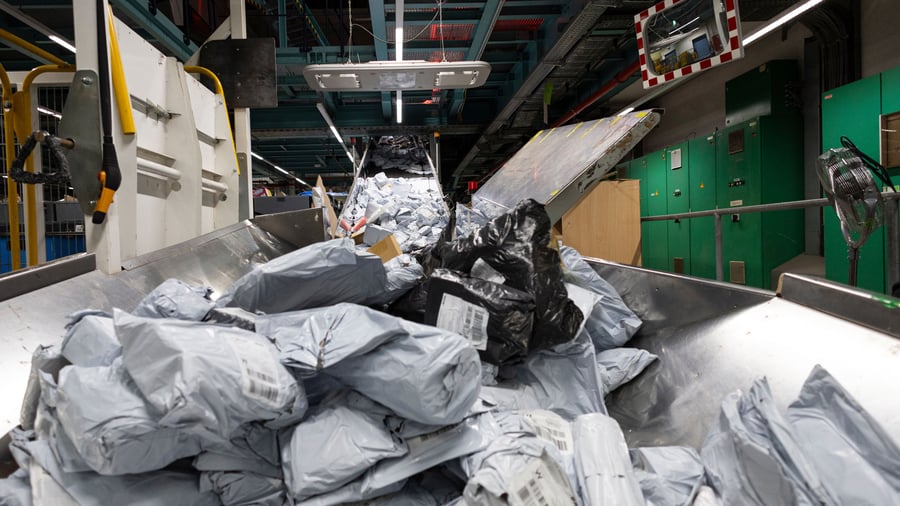
The national authorities will collect the fee. The new rules are expected to target online merchants like Shein, Temu, and AliExpress. The EU aims to curb the influx of inexpensive packages. By 2025, EU customs offices handled around six billion packages from online merchants, with 90% coming from China. The fee is intended to cover the rising costs associated with handling the increasing number of small shipments from e-commerce.
The broader customs reform also seeks to facilitate global trade, streamline duties, and tighten controls on non-compliant, hazardous, or unsafe goods. A new EU customs agency will begin operations in Lille next year. Since July, duties have also been levied on inexpensive goods from abroad, with a flat rate of three euros per product type in a shipment.
While the actual responsibility lies with the sellers or importers, some merchants pass on the customs surcharge to consumers, leading to higher costs. Comprehensive data on how package numbers have changed across Europe is not yet available. Following France, there was a reported 40% decrease in small shipments brought into the country in the first weeks.
The customs surcharge is meant to be a transitional solution until a new digital platform for processing and controlling goods imported into the EU, starting with anything costing one euro or more, is launched by 2028.
Written by urgent.news from Handelsblatt's reporting — not their text. Machine-written — may contain errors; check the original before relying on it.