Would You Let Your Body Turn into Soil? Human Composting and New Funeral Options
Human composting, formerly known as natural organic reduction, is becoming a regulated funeral option in more places, although its legal footprint remains limited. Fourteen U.S. states had authorized the method by August 2026, and Schleswig-Holstein became the first German state to establish it permanently after a trial period. Australia is considering legislation, while England and […]
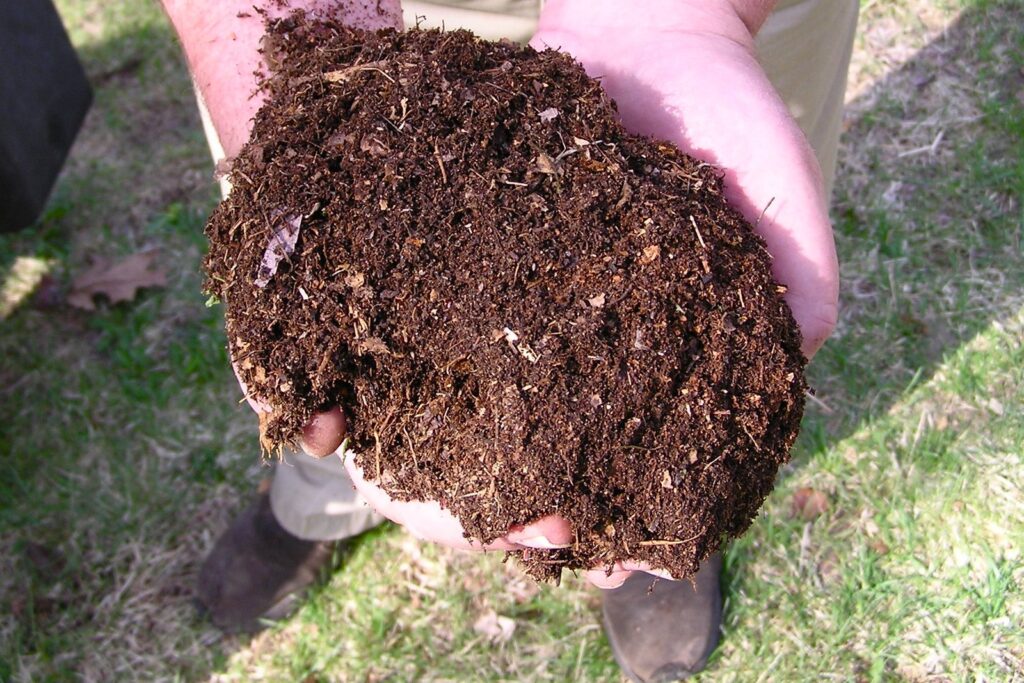
Human composting, also known as natural organic reduction, is an environmentally friendly alternative to traditional burial and cremation practices. This method has been gaining recognition and regulation in various parts of the world, including the United States, Germany, England and Wales, and Australia. The process involves placing a body in a controlled vessel with organic materials such as wood chips and straw, which are then maintained under specific conditions to accelerate microbial decomposition.
The remaining material, after several weeks, is screened, cured, and processed into a soil-like substance. In contrast, alkaline hydrolysis, or water cremation, involves the use of a sealed chamber with water, an alkaline solution, heat, pressure, and agitation, resulting in the dissolving of soft tissue and eventual processing of bone fragments into a material resembling cremated ashes.
As of August 2026, 14 U.S. states had authorized human composting, including Colorado, Oregon, Vermont, California, New York, Nevada, Arizona, Maryland, Delaware, Minnesota, Maine, Georgia, and New Jersey. Maryland's legalization in 2024 and the operations of a 37,000-square-foot facility in Elkridge marked a significant step in integrating the method into the funeral industry.
The process at this facility takes about 30 to 45 days, and families can receive some of the resulting soil-like material, with the remainder used for conservation projects. Meanwhile, Germany's Schleswig-Holstein became the first German state to make natural organic reduction a permanent method of burial after a trial period, while the Netherlands and England and Wales are considering similar options but have not yet implemented them.
Australia is currently in the proposal stage, and Colombia has studied natural organic reduction but does not yet have it authorized for human remains disposal.
Written by urgent.news from Colombia One's reporting — not their text. Machine-written — may contain errors; check the original before relying on it.