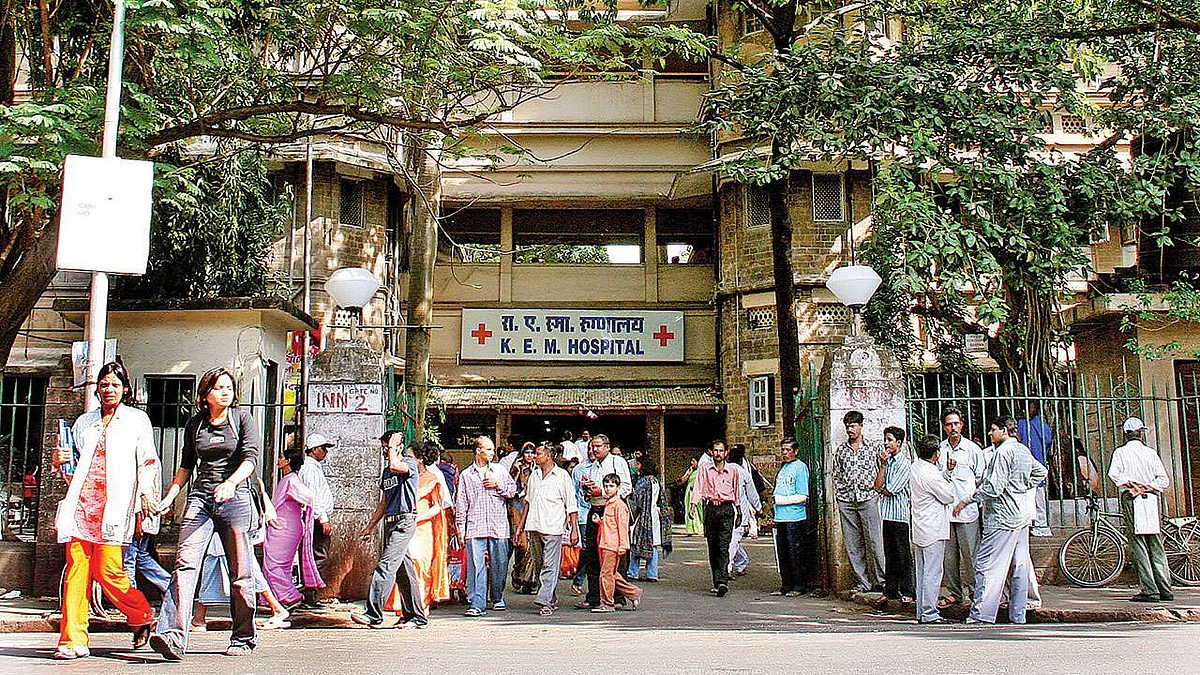
Why Gauteng women are not using free contraceptives
The Gauteng Department of Health has raised concern over low contraceptive uptake among women of reproductive age, with only 32.45% accessing contraceptive services in the first quarter of the 2026 and 2027 financial year.
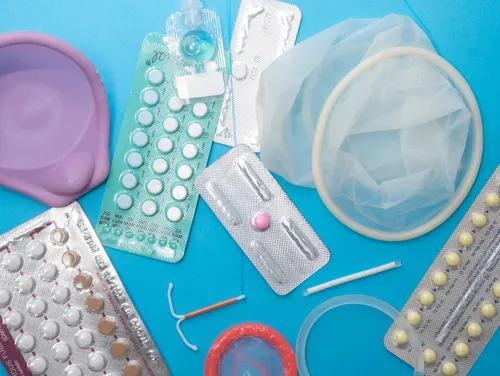
The Gauteng Department of Health is alarmed by the persistently low utilization of contraceptives among women of childbearing age in the province. An estimated 75% of unplanned pregnancies in South Africa can be traced back to insufficient contraceptive usage, according to departmental data. Steve Mabona, spokesperson for the department, confirmed that Gauteng mirrors this trend, with only 32.45% of eligible women accessing contraceptive services during the first half of the 2026 financial year, falling short of the 43% target.
This suboptimal uptake leads to a substantial number of women seeking Choice on Termination of Pregnancy services, which are free of charge at public healthcare facilities across the province. While these services are crucial for reproductive healthcare, the department is troubled by the ongoing barriers preventing women from taking advantage of the numerous safe, effective, and free contraceptive methods available at public healthcare facilities.
Mabona urged women and girls to utilize these services to avoid unintended pregnancies and enhance their overall reproductive health. The department recognizes that misconceptions and apprehensions about contraceptive use continue to deter women from using them. Many women express concerns about side effects and potential infertility, although these concerns often stem from a lack of knowledge and misinformation about the various safe and reversible contraceptive options.
Mabona emphasized that the advantages of using contraception far outweigh any potential side effects. Access to contraception enables women and families to make informed reproductive choices, improves maternal and child health, and diminishes the risks linked to unplanned pregnancies. The department made contraceptive services accessible to all levels of public healthcare, including clinics, community health centers, hospitals, and mobile health services, with trained healthcare professionals offering counseling and insertion/ removal services for long-acting reversible contraceptives.
The department also entered service-level agreements with selected private healthcare providers to extend contraceptive services and share service data. On World Contraception Day, celebrated on September 25 under the theme "No Barriers, Just Choices: Contraceptive Access Now," the department aims to raise awareness about contraception, dispel myths and misconceptions, and empower communities, particularly young people, to make informed decisions about their sexual and reproductive health.
The department highlights that contraceptive services are also provided through Youth Zones at healthcare facilities, offering young people safe and confidential access to contraceptives, information, and support, including after-school hours. While contraceptives are highly effective in preventing unintended pregnancies, they do not safeguard against HIV or other sexually transmitted infections (STIs).
Sexually active individuals are advised to consistently and correctly use condoms to prevent HIV transmission and curb the spread of STIs. Additionally, HIV prevention methods like pre-exposure prophylaxis (PrEP) and lenacapavir are available at public healthcare facilities. In 2025 and 2026, the Gauteng public healthcare system provided contraceptive services to 2,915,945 women of reproductive age, underscoring the ongoing availability and accessibility of family planning services across the province.
Written by urgent.news from IOL's reporting — not their text. Machine-written — may contain errors; check the original before relying on it.