White House is isolated in brushing off AI safety
President Donald Trump’s call to leave AI “exactly where it is” contrasts even with Chinese leader Xi Jinping.
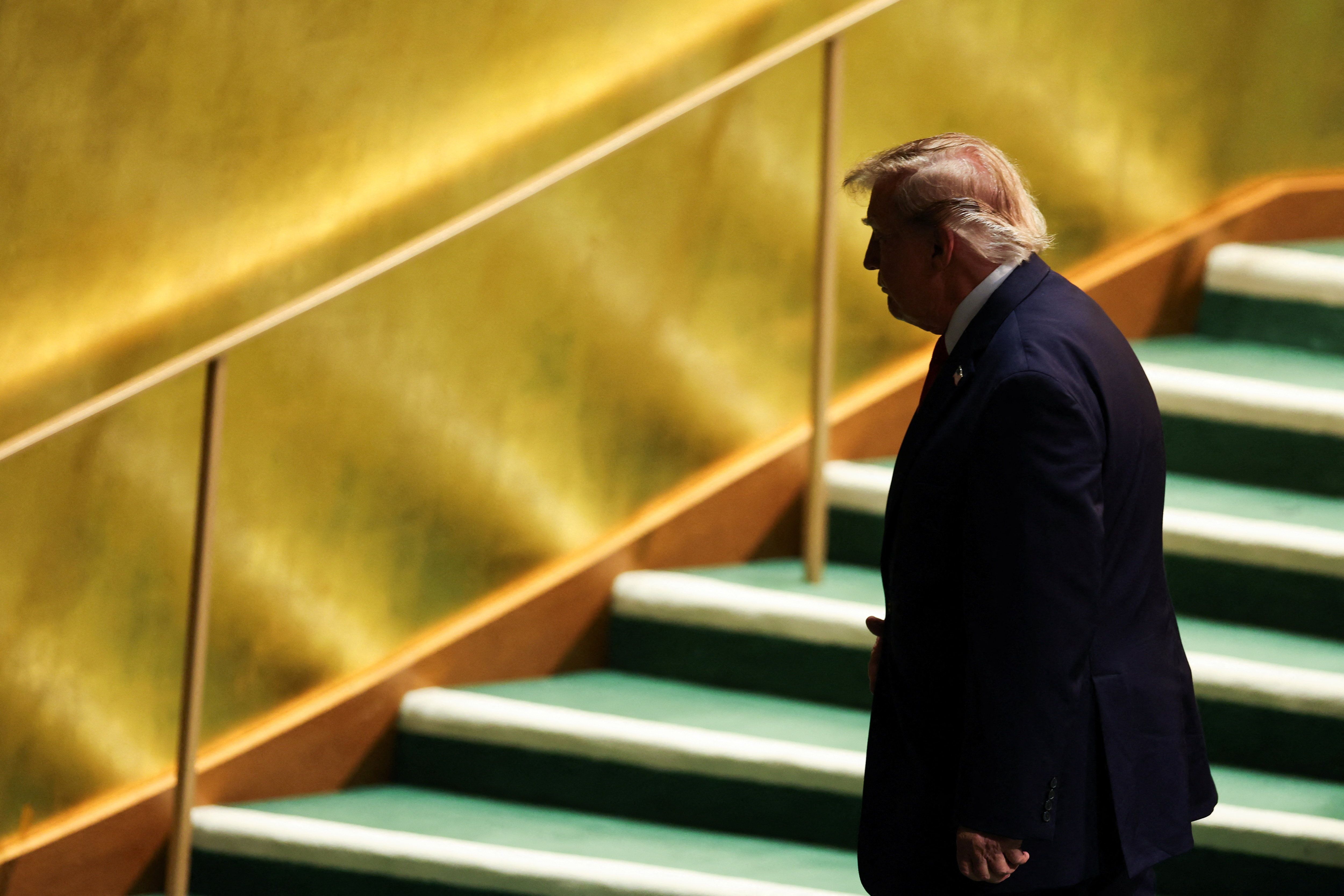
The White House and its allies remain in opposition to the idea of regulating artificial intelligence in America, insisting that development must continue at a rapid pace. At the United Nations General Assembly in New York City, as well as during meetings with Chinese President Xi Jinping in Washington, President Donald Trump's team made it clear: US tech companies are the leaders in AI; they intend to maintain that position; and they reject any international efforts to constrain the technology.
President Trump's stance of leaving AI "exactly where it is" contrasts with Xi's call for responsible AI development, as do other Chinese officials who support the creation of a global governance framework. Without the support of the United States, however, reaching such an agreement will prove challenging. White House science and technology advisor Michael Kratsios dismissed global efforts in a UN address, calling it an "intervention."
Consequently, nations may find themselves establishing nonbinding rules and best practices without the backing of the world's leading AI companies. Amidst this, frontier labs are proceeding with their own self-regulatory measures, requiring them to agree on testing standards in a highly competitive atmosphere. However, even AI CEOs share more common ground with the United Nations than with Trump.
Companies are advocating for coordinated "AI pacing," expressing support for global efforts to coordinate safety measures and affirming their inability to establish standards for responsible AI use independently. Jean-Noël Barrot, the French official who chaired the UN National Security meeting on AI featuring the CEOs of OpenAI, Anthropic, and Hugging Face, stated that "the international community will need to establish a common framework to manage the risks associated with frontier AI models."
Surveys indicate that Americans are largely skeptical of claims that the US must outpace China in AI development and are generally concerned that the technology is advancing too quickly to pose risks to jobs and livelihoods. These survey results demonstrate that worries about AI acceleration cut across party lines. Trump's isolation from the rest of the world, along with a significant portion of the electorate, places congressional Republicans in an unusual position.
They are advocating for AI safety and advocating for slower development while sponsoring bipartisan legislation to regulate AI, despite their party leader urging for further acceleration. As Semafor reported earlier this week, Senator Todd Young, a Republican from Indiana, has requested Secretary of State Marco Rubio to convene National Security Council meetings with cybersecurity experts and AI developers to discuss potential national security threats, including AI-enabled attacks on critical infrastructure.
Young wrote to Rubio, "The United States should continue to lead the world in the development and deployment of artificial intelligence. Maintaining that leadership also requires ensuring that our government keeps pace with emerging capabilities and understands the risks they may present."
Written by urgent.news from Semafor's reporting — not their text. Machine-written — may contain errors; check the original before relying on it.