When lecturers take a break — Mohd Amirul Fahmi Che Mohd Fadzilah and Lim Ghee Seong
SEPTEMBER 25 — When a semester ends, university campuses feel different. The hustle and bustle of the lecture hall...
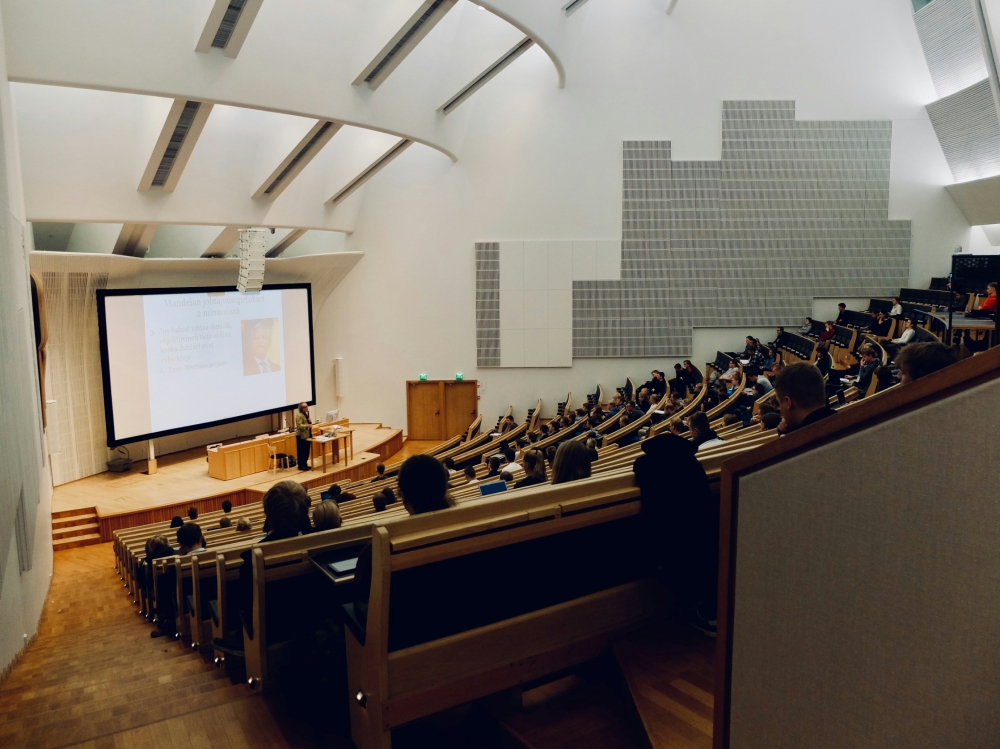
September 25 - As university semesters conclude, campuses experience a noticeable shift. The daily grind of lectures and clinics comes to a temporary standstill, and the relentless pace of assessments, meetings, and teaching schedules begins to ease. For instructors, this period of reprieve offers a unique opportunity: space. While it's easy to equate a semester break with intense productivity, its true value may lie in something more subtle.
It allows educators to momentarily step back, reflect, and reconnect with aspects of their lives beyond the academic realm. Academic work demands unwavering mental focus, with lecturers juggling teaching, student supervision, assessment management, research, meetings, and administrative duties. In clinical domains like dentistry, this multitasking extends to patient care and supervision, requiring real-time decision-making.
Amid the chaos of a busy semester, attention naturally gravitates towards the next task: the following lecture, clinical session, assessment, meeting, or deadline. This relentless progression can lead to a mindset where each responsibility transitions seamlessly into the next, often without pausing to consider the question: Am I optimizing my approach?
This crucial reflection was highlighted by John Dewey, an educational philosopher who emphasized reflective thought as a deliberate process of considering one's beliefs, knowledge, and the reasons supporting them. This principle remains pertinent for educators today. A review by Dinham and colleagues explored reflective practices in Malaysian and Australian education systems, underscoring the integral role of reflection in fostering effective pedagogy and achieving quality learning outcomes.
During the quieter semester break, educators have the chance to reflect on their past semester. This reflection can be professional, such as revisiting a class that didn't go as planned, reevaluating a complex concept, updating teaching materials, or exploring new developments in their field. It can also extend to addressing challenging student interactions in a more relaxed setting, free from the pressures of a hectic teaching day.
For healthcare educators, this downtime is particularly valuable. Dentistry, which demands precision and concentration, requires more than technical prowess; it necessitates patience, empathy, and the mental space to listen before responding. Clinical educators must discern when students need guidance versus independent thought.
This balance becomes increasingly challenging when every moment is dominated by another task. A break also reminds instructors that their professional identity extends beyond academic roles. They may serve as clinicians, researchers, and educators, but they are also parents, spouses, children, friends, and community members. This multifaceted identity can enrich their perspective upon returning to the classroom or clinic, offering new insights to share.
Furthermore, stepping away from the routine allows the mind to wander, often leading to unexpected insights. Inspiration can strike during a family outing, a conversation with someone outside the academic sphere, an observation in the community, or even an unrelated activity. This exposure to diverse perspectives can invigorate educators, fostering curiosity that drives continual improvement.
An educator's return to work should be measured by more than the quantity of work completed or the absence of work. Instead, it should be viewed as an opportunity for renewal. For some, this may involve advancing a research idea or catching up on reading materials previously neglected. Others might prioritize family time, travel, or restoring routines disrupted during the semester.
Importantly, meaningful breaks do not equate to a decline in professional commitment. They can actually enable educators to return with enhanced patience, creativity, and perspective. As the campus buzzes back to life, lectures resume, clinics return to normalcy, and students bring fresh expectations and challenges. While predicting the specifics of the next semester is impossible, educators can approach it with renewed clarity, curiosity, and a more balanced approach.
Ultimately, the semester break may afford educators one of the most valuable gifts: a clearer mind, a refreshed spirit, and the space to give their best to the students who depend on them.
Written by urgent.news from Malay Mail's reporting — not their text. Machine-written — may contain errors; check the original before relying on it.