What Peacemaking Loses When Women Are Left Out
Women hold communities together through wars but they are increasingly being left out of peace talks.
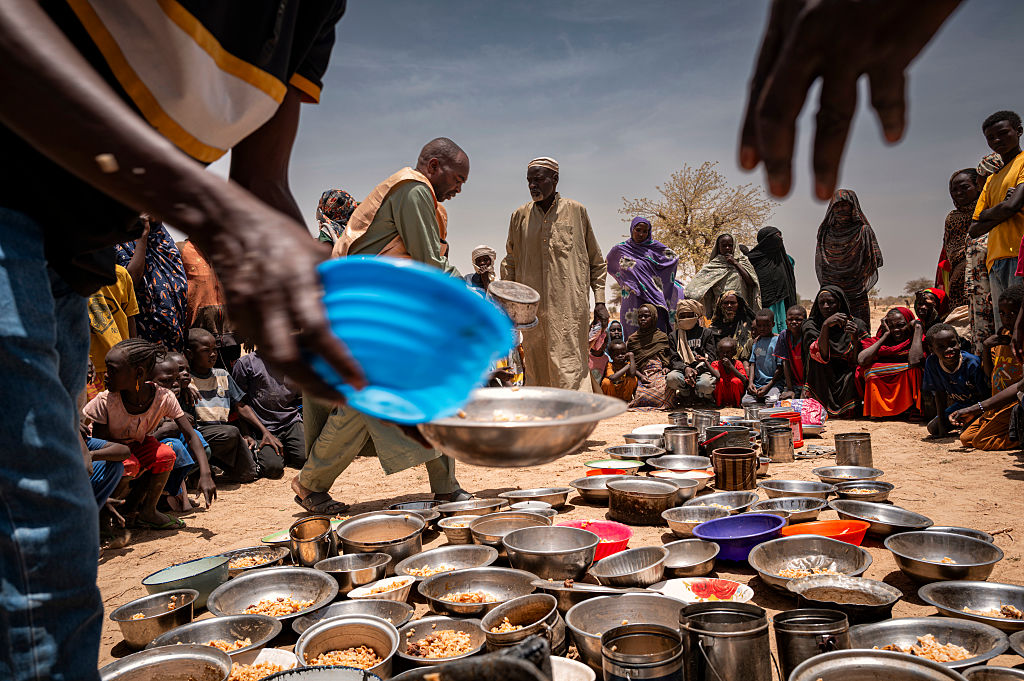
War generates a profound impact on women, yet their voices are often marginalized in global peace efforts. Following the end of the Cold War, the United Nations made incremental strides in incorporating women into peace negotiations and postwar reconstruction. However, this progress seems to be regressing as social conservatives and warlords are finding novel ways to exclude women from discussions concerning war and peace.
It is essential to involve women in peace processes not only to ensure their voices are heard but also to enhance the likelihood of a successful peace agreement. In Colombia, for instance, the peace process resulted in an agreement that included civil society consultations on rural reform, inclusive governance, and accountability for wartime atrocities, including sexual violence.
Women's groups were integral to these discussions. Unfortunately, the strides made have not been sustained. Women are becoming increasingly absent from the negotiating table. Recent peace efforts, such as those in Sudan, trade negotiations with China, and Gaza's Board of Peace, have been led entirely by men. While women's representation may still be a priority for some governments in prominent contexts, such as the selection of the next United Nations secretary-general, it has become less visible in the day-to-day diplomatic practice of making peace.
The absence of women in peace talks is both practical and moral. Women in many conflicts possess political networks that men lack, enabling them to connect humanitarian actors with communities and act as bridges and brokers between local leaders and national processes. Several factors contribute to the growing lack of inclusivity in diplomacy.
Stalemated battles have led to a minimalist approach to peacemaking, focusing primarily on stopping the fighting rather than addressing the conditions necessary for sustained peace. Moreover, as conflicts and postwar transitions become more intricate, diplomats face limited opportunities to pursue longer-term goals like political representation.
Lastly, diversity has become a contentious issue. The Trump Administration opposed efforts to increase representation of historically marginalized groups. Consequently, no countries, including Sudan, have adopted these measures. In Sudan, the peace process broke down in September 2025, despite a proposal from the United States, the United Arab Emirates, Saudi Arabia, and Egypt for a humanitarian truce.
Despite the failure of these diplomatic initiatives, recent efforts have attempted to include civilians in the conversation. However, these attempts have not succeeded in convincing the warring parties to engage with anyone, let alone civil society. For now, achieving a basic ceasefire seems unattainable, making it increasingly difficult to envision a broader approach to ending the violence.
Diplomats familiar with the Sudan talks confirm that gender is considered a "non-starter" by the Sudanese Armed Forces and Rapid Support Forces. Both factions are keen to avoid accountability for sexual violence and other atrocities while focusing on retaining their power. As Sudan's communities suffer due to the war, diplomats pursue a narrow but pragmatic objective: finding a way to achieve a ceasefire while preserving space for future talks on who will hold political power in Sudan.
Similarly, in Syria, the pursuit of gender equality faces significant challenges. While women represent only 22 out of 207 seats in the recently formed parliament, this number falls below the 20% quota for women in the electoral bodies and well short of the 30% target that civil society groups and the United Nations have often advocated for.
Women hold considerable influence in local community life, but their absence in national politics creates an unaddressed gap that a more inclusive system would better address. The halls of Washington are currently dominated by forces opposing diversity and gender justice. Even before the Trump Administration positioned itself as a global peacemaker, its predominantly male leadership made opposition to diversity a defining aspect of its foreign policy.
In its diplomacy at the United Nations and elsewhere, the Administration has consistently rejected the notion that a group can be deemed oppressed based solely on attributes such as sex, race, or religion.
Written by urgent.news from Time's reporting — not their text. Machine-written — may contain errors; check the original before relying on it.