What Is Kumari Puja? Know Why Young Girls Are Worshipped As Goddesses In Nepal
Kumari Puja is a significant religious tradition in Nepal in which young girls are worshipped as manifestations of the divine feminine. The practice is deeply associated with Hindu and Buddhist traditions and reflects the cultural importance of the Kumari, or living goddess, in Nepal. The tradition was observed in Nepal on September 24, when hundreds of young girls gathered at Kathmandu Durbar…
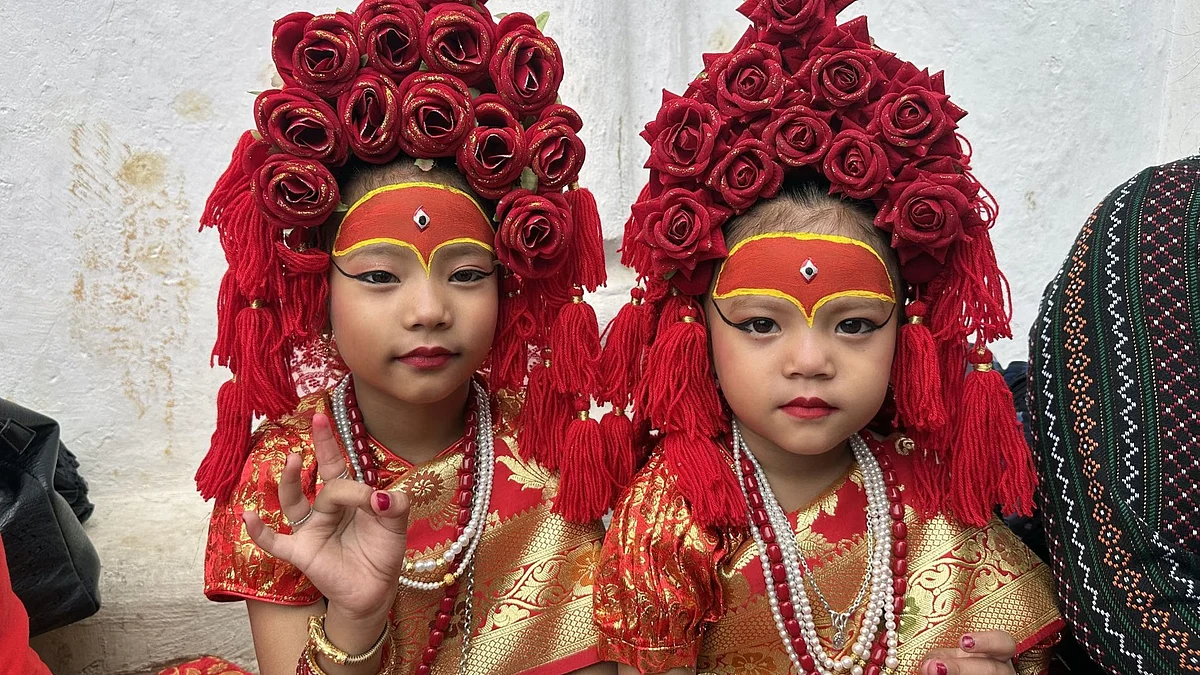
Kumari Puja is a deeply ingrained religious practice in Nepal, where young girls are revered as living goddesses. This tradition is intertwined with Hindu and Buddhist beliefs and holds immense cultural significance in the country. On September 24, 2026, hundreds of young girls participated in the annual Kumari Puja at Kathmandu Durbar Square, transforming the historic UNESCO World Heritage Site into a vibrant display of devotion and centuries-old ritual.
One of the most notable Kumari is Dhana Kumari Bajracharya, the longest-reigning living goddess of Patan. She was enthroned at the tender age of two in 1954 and served as the Kumari of Patan for three decades. The festival takes place even amidst the rain, showcasing the unwavering commitment to the tradition.
During Kumari Puja, young girls, known locally as Kanyas, are dressed in new or ceremonial attire and worshipped with offerings, prayers, flowers, and various rituals. The ritual emphasizes purity and is believed to bring good fortune and ward off misfortune. The Kumari, often considered a manifestation of the goddess Taleju, resides in the Kumari Ghar in Kathmandu, where she is worshipped during significant festivals and religious events.
Kumari Puja is not limited to the Kathmandu Valley; it is also performed at homes and temples, where families and devotees invite young girls to partake in the ritual. They may wash the girl's feet and offer food, gifts, and blessings during the ceremony. The worship blends elements of Hinduism, Buddhism, and Tantrism, and it is believed that those who engage in the annual ritual remain shielded from health issues. The Kumari tradition stands as one of the distinct religious practices in Nepal.
Written by urgent.news from Free Press Journal's reporting — not their text. Machine-written — may contain errors; check the original before relying on it.