What Annie Dillard Left Out
Dillard understood that even in suburban landscapes, nature could be transcendent—but human relationships are largely absent from her writing.
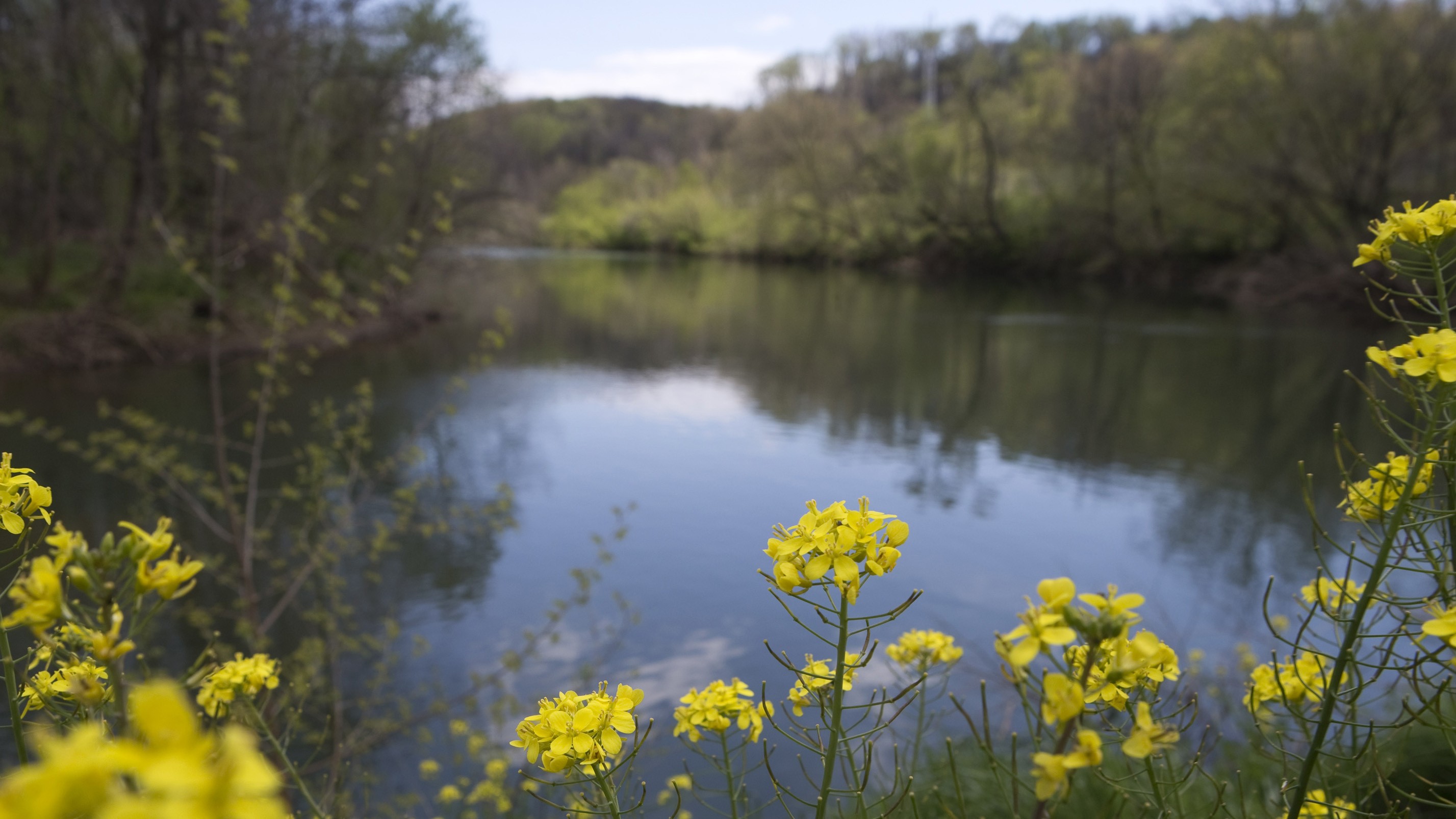
Annie Dillard, who passed away at the age of 81, perceived that even in suburban areas, one could encounter the awe-inspiring and solitude of nature. A recent essay by Diana Saverin in The Atlantic reminded me of the satisfaction I felt while exploring the wetlands near my elementary school in Denver. These wetlands were filled with cottony cattails, crayfish, and the occasional glimpse of fairies that I believed inhabited the bushes.
Four new stories from The Atlantic's Books section were highlighted in her article: a confrontation that shook New York, six hard-to-find books worth reading, a poem named "Pinballing" by Jan Beatty, and Dillard's classic Pilgrim at Tinker Creek. In Pilgrim at Tinker Creek, Dillard describes a powerful glance that transformed an ordinary cedar tree into something charged and transfigured.
However, her writing often suggests a sense of separation from other humans, which might be why her personal relationships are largely absent from her work. This was also true for my memories of the wetlands, where I could barely recall my fellow students. Dillard's portrayal of observational aloneness was spot-on. By focusing intensely on nature, we blur our own boundaries, becoming one with the subject of our observation.
Saverin wonders if Dillard's selective attention might have affected her ability to bring a bit more human presence into her nature writing. "Part of the pain of losing someone, and perhaps especially a favorite writer," she muses, "involves losing what they didn't choose to make during the time they had." Jill Krementz's The Enduring Mystery of Annie Dillard discusses Dillard's personal life, which she kept separate from her nonfiction.
Written by urgent.news from The Atlantic's reporting — not their text. Machine-written — may contain errors; check the original before relying on it.