Weak controls across subsidy supply chain open door to leakages, abuse
PUTRAJAYA: Weaknesses in controls at every stage of the subsidised cooking oil and rice supply chains have been identified as creating opportunities for leakages, abuse and exploitation of government subsidies.
PUTRAJAYA: A study conducted by Universiti Kebangsaan Malaysia's Faculty of Law has revealed that weaknesses in controls throughout the supply chains for subsidized cooking oil and rice have enabled leakages, abuse, and exploitation of government subsidies. The one-year research, spanning 2024 to the previous year, examined the policies, guidelines, procedures, and regulations governing these subsidies.
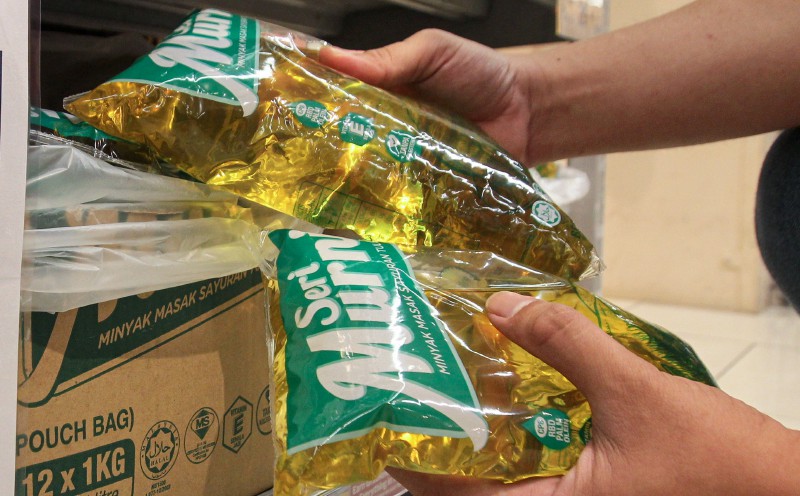
Presenter Dr Nur Atheefa Sufeena M Suaree highlighted that every stage of the process presented opportunities for abuse. She explained that the price difference between subsidized packet cooking oil at RM2.50 per kilogramme and bottled cooking oil priced at RM7 to RM9 per kilogramme created chances for leakages. Additionally, the study found that micro-businesses were misusing household quotas, while premises with no actual operations were identified.
Another issue was the diversion of oil through illegal repackaging, with the weighed amount often being less than one kilogramme, despite each packet being supposed to contain one kilogramme. For rice and paddy subsidies, the study uncovered issues such as manipulation of weighing and weight data at mills, including the use of fake receipts.
Other problems included the mixing of local and imported rice and labeling that did not accurately represent the contents of the products. Labels should be transparent and accurate, yet on the ground, there is abuse that does not align with labeling requirements stipulated under the law. Furthermore, weaknesses were found in controls involving millers, wholesalers, retailers, and consumers across the rice and paddy subsidy chain.
Dr Atheefa suggested a more practical approach to addressing these issues by assessing capabilities and implementing measures that can be genuinely executed. The research also recommended the full adoption of digitalization and integrated data-based systems to enhance transparency and control transactions from one stage to another.
Dr Atheefa emphasized that if full implementation is not possible, it should not be abandoned entirely.
Written by urgent.news from New Straits Times's reporting — not their text. Machine-written — may contain errors; check the original before relying on it.