‘We control who and where’: province at odds with municipalities over AI data centres
The Ontario government appears to be at odds with some of the province’s major cities over the future of AI data centres, with anxiety-riddled residents caught in the middle.
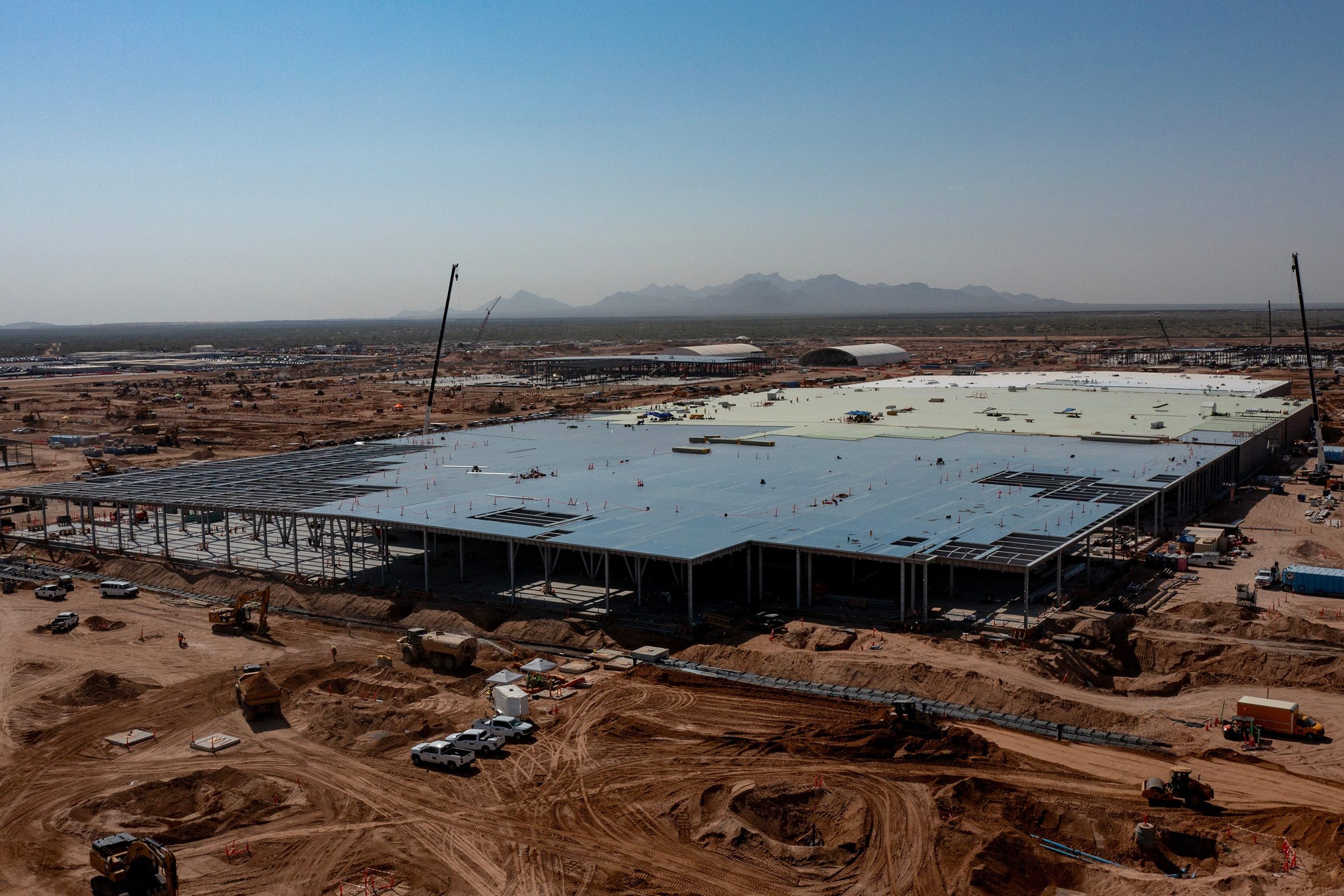
Ontario's government and some major cities are disagreeing over the placement of AI data centres in the province. Premier Doug Ford wants to build these centres quickly, with specific conditions for their location and construction. However, many municipalities have passed measures to slow or stop the construction of data centres due to concerns about noise, water use, and environmental impacts.
In August, Oakville became the first Ontario municipality to put a one-year hold on data centre development. Mississauga and Sault Ste. Marie followed this example soon after.
In response, the Association of Municipalities of Ontario (AMO) submitted a report to the Ministry of Energy and Mines, proposing that the province prioritize projects that consider community benefits, like building a community center alongside the data centre. The AMO also wants assurance that hosting a data centre won't prevent municipalities from achieving other provincial and local goals by using too much power from already strained systems.
Vic Fedeli, the Minister of Economic Development, stated that data center companies must pay higher rates for power or generate their own. The province has also adopted a "do no harm to the municipality" policy, which includes providing only non-financial support to attract data center investments. However, it remains unknown whether the provincial government, known for often defying city council decisions, would allow a data centre to be built despite local hesitation.
The issue has residents worried. During a Mississauga city council meeting discussing the AI data centre prohibition, residents demanded that the city pause approvals to consider the consequences more thoroughly. Katie Steinfeld, a real estate agent, created the Ontario Data Centre Tracker to provide transparency about these projects. She believes that a pause is beneficial, as these developments are happening at a rapid pace and regulations are still lacking.
However, the location of data centres may not guarantee data sovereignty, according to Evan Light, an associate professor at the University of Toronto's Faculty of Information. He explained that the U.S. Cloud Act allows the U.S. government to access data held by American companies, regardless of where the data centre is located. Thus, even if Ontario builds data centres, data could still be accessible by U.S. authorities.
Written by urgent.news from Global News's reporting — not their text. Machine-written — may contain errors; check the original before relying on it.