Vanderbilt University extends identity governance to AI agents
Identity governance must accommodate changing relationships among people, institutions and technology. Vanderbilt University sees that complexity deepening as artificial intelligence agents enter institutional workflows. Vanderbilt uses OneVU, powered by Okta, for single sign-on. Its broader environment includes residential life, athletics, its own police department and more than $1 billion in…
Vanderbilt University has expanded its identity governance to include AI agents, as artificial intelligence becomes more prevalent in institutional workflows. The university relies on OneVU, powered by Okta, for single sign-on, which extends to various aspects of campus life, including residential life, athletics, and its police department, as well as its extensive research budget.
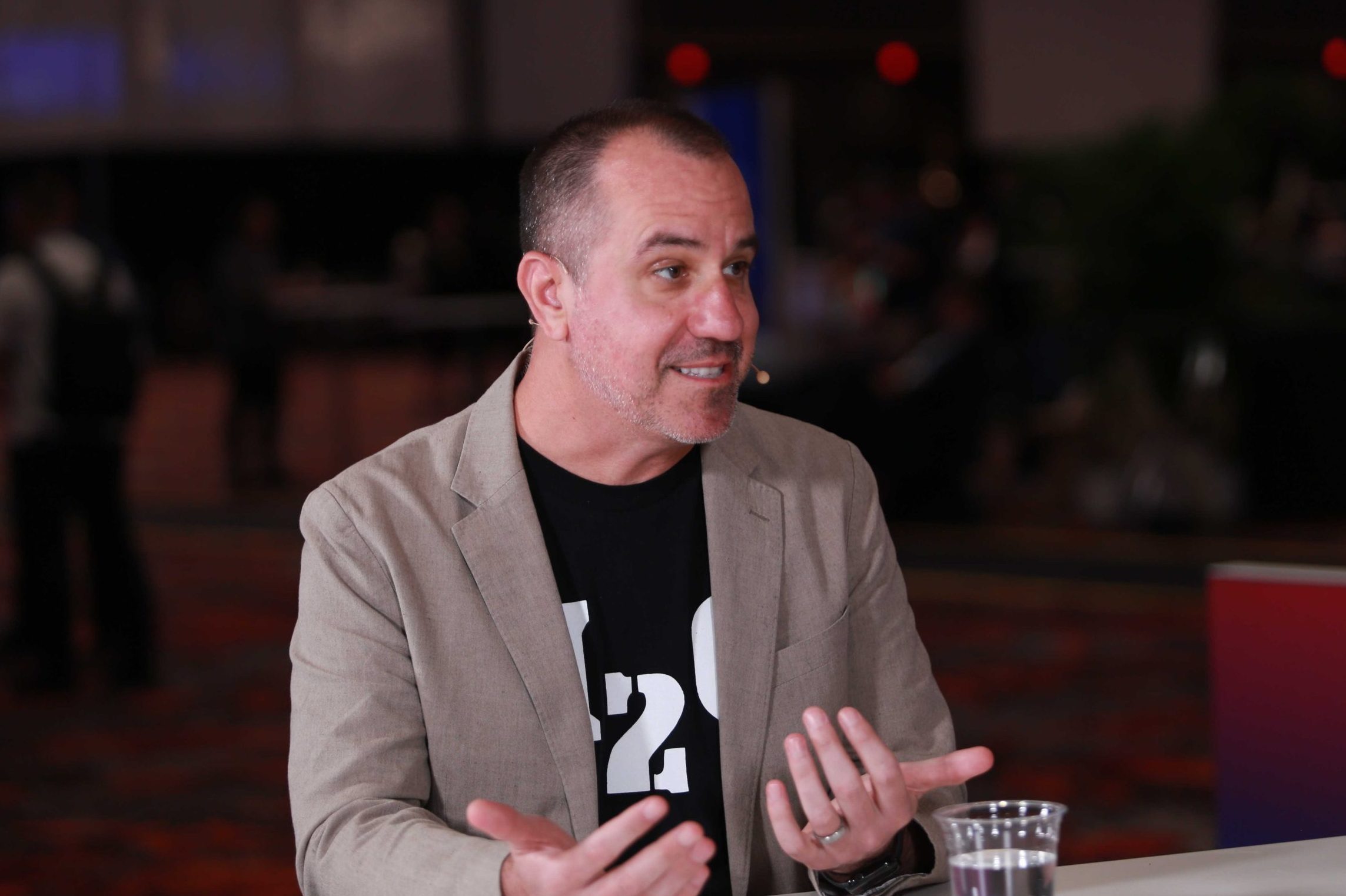
This expansion presents challenges in managing access decisions, as individuals can hold multiple roles with different profiles and security requirements. Shane Callahan, Vanderbilt's chief information officer, highlighted the complexity of tracking these security profiles and the difficulty in assigning responsibility when AI agents act outside established guardrails.
While distinct identities and scoped access can limit AI agent behavior, the critical question remains: who is accountable if an AI agent goes rogue? Callahan emphasized that organizations can address these risks by building upon existing governance processes and technology intake programs, rather than starting from scratch. He stressed that AI should be treated as an extension of existing identity governance rather than a brand-new entity.
The interview, part of SiliconANGLE's and theCUBE's coverage of Okta's Oktane event, also discussed other challenges, such as AI agent accountability and cross-functional governance, and provided insights into how organizations can navigate the evolving landscape of identity governance in the age of artificial intelligence.
Written by urgent.news from SiliconANGLE's reporting — not their text. Machine-written — may contain errors; check the original before relying on it.