Uric acid is 7.5 mg/dL: Should you worry about gout?
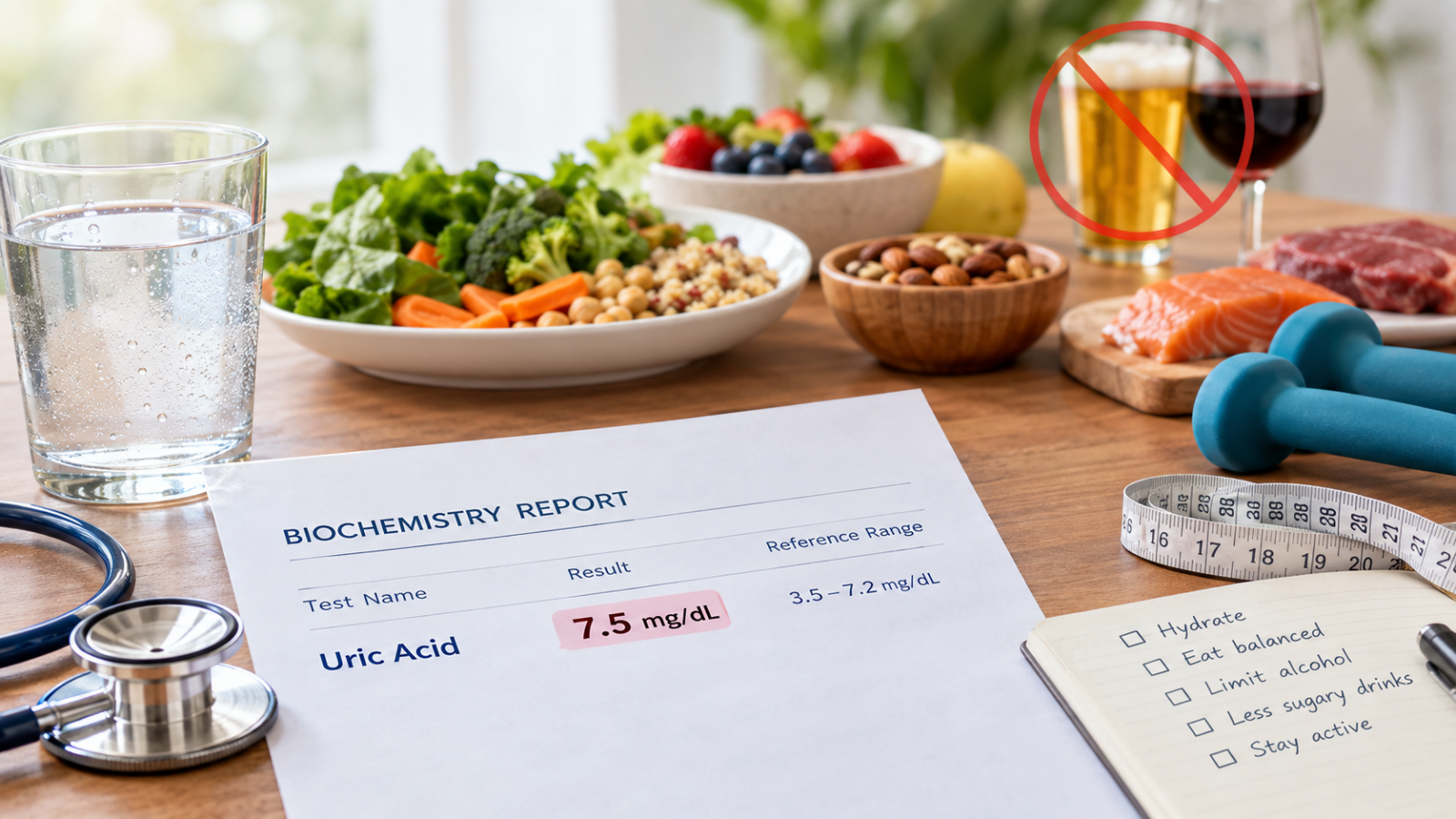
A uric acid reading of 7.5 mg/dL can spark concerns, even without symptoms. Should dietary changes be made? Medication required? Or can monitoring suffice? We sought clarification from Dr Udit Gupta, Consultant Nephrology at ISIC Multispeciality Hospital. While 7.5 mg/dL exceeds typical blood urate levels, a single elevated result does not confirm gout or necessitate treatment.
A single mildly elevated uric acid level should be considered within context, not a diagnosis. Gout arises when urate crystals accumulate in joints, causing inflammation; elevated uric acid does not always precede an attack. Symptoms like sudden joint pain, swelling, redness, or warmth should prompt a doctor's visit. If feeling well, no immediate action is required.
Instead, review hydration, kidney function, medications, and diet with your physician. A repeat test may be warranted based on individual circumstances. Urate-lowering drugs are typically not prescribed for mildly elevated levels in those without gout symptoms. However, treatment is warranted for confirmed gout sufferers, joint damage, kidney disease, or repeated attacks.
Target uric acid levels below 6 mg/dL for treatment. Factors like high uric acid (>9 mg/dL), kidney stones, and kidney disease may also influence treatment decisions. While a 7.5 mg/dL reading isn't an automatic prescription, maintaining a balanced diet, staying hydrated, limiting alcohol, and moderating certain foods can promote overall health. Consult your doctor for personalized guidance.
Written by urgent.news from The Indian Express - Lifestyle's reporting — not their text. Machine-written — may contain errors; check the original before relying on it.
This story
This is one outlet's version. Read the fullest account.
- Uric acid is 7.5 mg/dL: Should you worry about gout? indianexpress.com