U.P. focuses on high-yielding disease-resistant sugarcane varieties, scientific sugarcane cultivation practices and mechanization
As land availability becomes increasingly constrained, the future of sugarcane growth depends less on expansion of area and more on gains in productivity, said
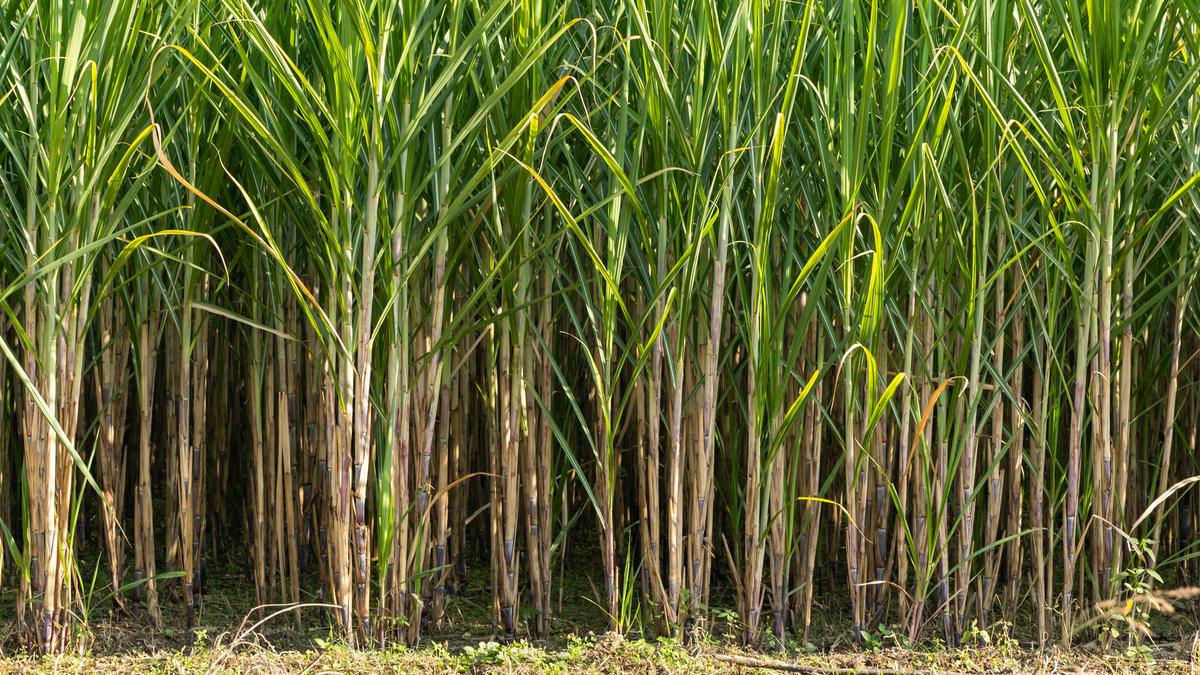
The Uttar Pradesh government has announced its focus on increasing productivity and reducing costs in sugarcane cultivation, following the success of Co-0238 variety, which has been undermined by red-rot pressure. The state aims to develop high-yielding and disease-resistant sugarcane varieties, improved seed systems, scientific cultivation practices, and mechanization.
Ministhy S., the Cane Commissioner, highlighted the importance of mechanisation, micro-irrigation, integrated nutrient management, and scientific pest control to raise productivity, reduce cultivation costs, and improve farm profitability.
Abhishek Anand, the Additional Commissioner Cane, noted that the sector is increasingly being shaped by advanced technologies such as remote sensing, satellite imagery, artificial intelligence, and machine learning. These technologies enable more accurate crop monitoring, varietal mapping, field inspections through mobile applications, and data-driven decision-making.
The Uttar Pradesh sugarcane department has partnered with the Remote Sensing Application Centre (RSAC) to pilot a project for estimating sugarcane crop area and variety identification using remote sensing and machine learning.
The government's shift towards a digital ecosystem has enhanced transparency, reduced disputes, and strengthened accountability across the sugarcane supply chain. In an era of climate variability and resource constraints, accurate field-level data generated and used effectively may prove as crucial as traditional extension services.
Written by urgent.news from The Hindu's reporting — not their text. Machine-written — may contain errors; check the original before relying on it.