Two million young children face acute malnutrition in Yemen this year
Children are going hungry due to the fighting in Yemen , with millions expected to be diagnosed with malnutrition amid the turmoil of the civil war, the UN children's agency said on Friday. Some 2.2 million children under five are forecast to be suffering from acute malnutrition by the end of the year, Unicef said. This includes more than 500,000 cases of severe acute malnutrition, the deadliest…
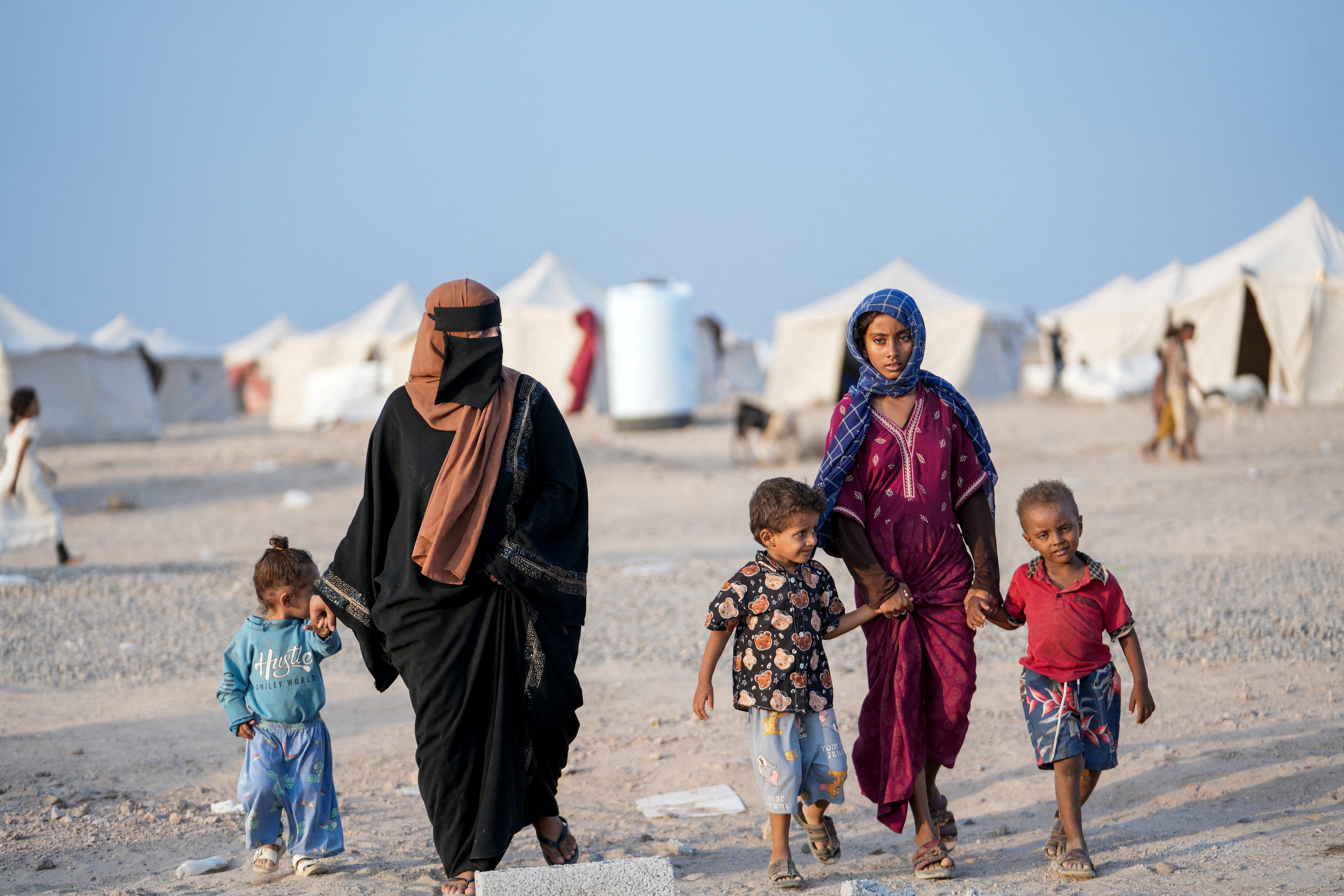
The civil war in Yemen has plunged over two million young children under five into acute malnutrition by year's end, the United Nations children's agency UNICEF warned on Friday. More than 500,000 of these cases are classified as severe acute malnutrition, the most lethal form, according to Akhil Iyer, a UNICEF representative in Yemen.
In recent weeks, roughly 2,900 children screened by UNICEF mobile nutrition teams revealed that more than a quarter were acutely malnourished, with over 200 suffering from severe acute malnutrition, Iyer highlighted. The conflict between the Yemeni government forces and the Iran-backed Houthis has recently escalated back to full-scale fighting, following a lull since a truce in 2022.
The renewed violence has erupted along familiar battle lines, including near the southwestern city of Taiz, as Houthis advance south along the Red Sea coast. This turmoil has sparked a humanitarian crisis, displacing more than 133,000 people and prompting some to seek refuge across the Red Sea into Africa. The disrupted access to healthcare and nutrition, exacerbated by families fleeing violence and searching for food, has placed children at greater risk.
A four-year-old boy recently diagnosed with severe acute malnutrition and his family who fled the fighting in Mokha on the coast exemplify this plight. At least 15 children have been killed and 14 injured since September 3, while three others remain missing. Additionally, three hundred forty-three schools have been forced to close or suspend classes, affecting more than 137,000 students.
UNICEF is ramping up emergency aid to reach up to 231,000 people through mobile health and nutrition teams, water services, and child protection programs, while urging all parties involved to safeguard civilians and permit safe humanitarian access.
Written by urgent.news from The National Business's reporting — not their text. Machine-written — may contain errors; check the original before relying on it.