Three wait times, one patient: resources matter
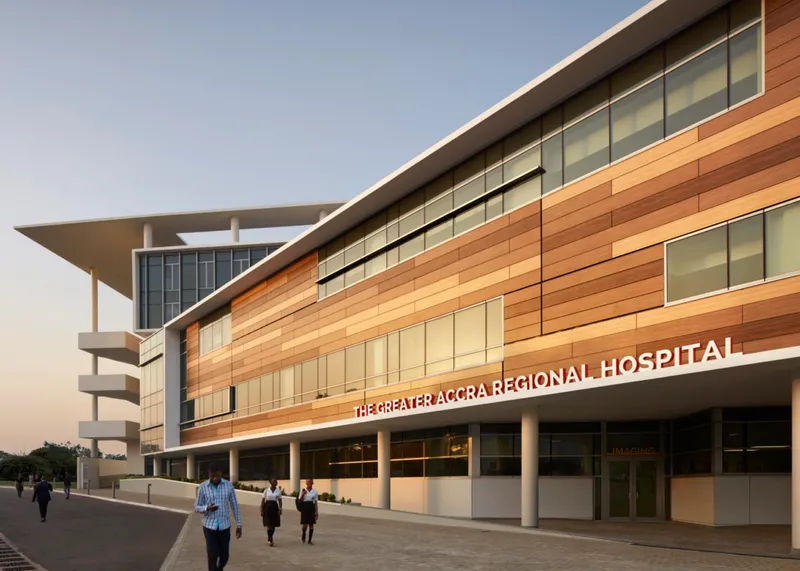
Manitoba announced at least $127 million for a 60-bed hospital, with expanded emergency and surgical space, dialysis and chemotherapy. It will serve surrounding communities and a town with more than […]
Manitoba has allocated at least $127 million to build a 60-bed hospital in Neepawa, featuring expanded emergency and surgical rooms, dialysis, and chemotherapy facilities. The hospital is intended to serve the surrounding area, including Neepawa, which has a population of over 5,600 residents. The plan does not include a CT scanner.
If a patient in Neepawa requires a CT scan, they must be transported to Brandon Regional Health Centre, a 77-kilometre journey away. The patient is monitored during transportation by ambulance, staffed by paramedics facing significant staffing shortages.
Brandon Regional Health Centre has a waiting list of 2,438 CT examinations in June 2026. Once the CT results are reviewed by the Neepawa physician, treatment may continue locally, and the patient returns via ambulance. However, even if the patient does not need to be transported for imaging, the ambulance is still consumed by the transfer process, exacerbating the existing capacity issues.
Premier Wab Kinew had previously emphasized the importance of providing diagnostic care without the need for patients to leave their communities. Despite this, Neepawa's new hospital is set to open with a continued reliance on ambulance transfers for CT scans.
The potential introduction of a CT scanner in Neepawa could alleviate the burden on ambulance resources. With an average of nine patients per day requiring CT scans, the facility could generate approximately 3,285 CT examinations annually. By reducing the number of ambulance transfers for imaging, Neepawa could free up nearly 5,000 ambulance-hours and 9,900 paramedic-hours each year.
This would represent a significant reduction of 7.5% of the hours represented by the 60-position vacancy gap in Shared Health's West Zone. The existing workforce would also benefit from reduced transport demand.
Written by urgent.news from Winnipeg Free Press's reporting — not their text. Machine-written — may contain errors; check the original before relying on it.