The secret to reading more classics? Don’t treat them like homework.
I have never read Crime and Punishment (1867). I’ve been meaning to for years and thought my moment had come last winter , after a weekend spent researching the best translation for a Dostoevsky newbie. Then life happened, as it does, and the moment skittered on by. I set my brand-new copy on the shelf, and it has been sitting there ever since, spine uncracked, its pristine pages a testament to…
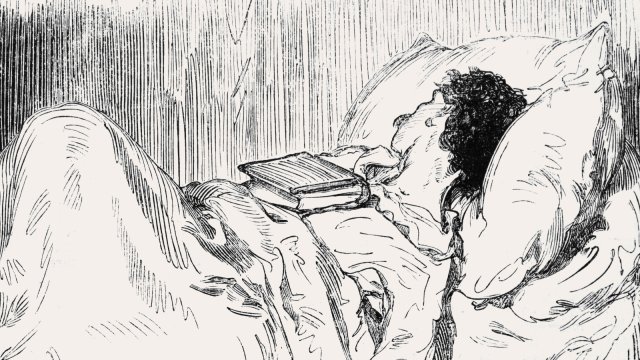
Many readers harbor an aversion to classic literature, often attributing this reluctance to the perceived difficulty and dated nature of these literary works. However, renowned editor Henry Eliot argues that these hesitations are unjustified and that classics should not be viewed as mere homework. The term "classic" itself can evoke a sense of formality and seriousness, which may deter readers from engaging with these timeless stories.
Eliot highlights three key criteria for identifying a classic: endurance, significance, and relevance. A classic must stand the test of time, surviving well beyond its initial publication. Moreover, it should have cultural or social impact, reflecting important themes or innovations within its genre. Lastly, a classic should remain relevant and engaging to contemporary readers, offering fresh insights and thought-provoking narratives.
While classics may delve into darker themes or employ archaic language, Eliot contends that they are not inherently dull or inaccessible. Instead, they present a diverse array of stories, ranging from thrilling adventures to thought-provoking philosophical musings. By reframing the perception of classics, readers can overcome their initial reservations and discover the rich, rewarding reading experiences that these literary masterpieces have to offer.
Written by urgent.news from Big Think's reporting — not their text. Machine-written — may contain errors; check the original before relying on it.