The problem with how theme parks approach movies is a tale of two Fast & Furious rides
Fast & Furious: Supercharged stars most of the cast. Fast & Furious: Hollywood Drift simply goes fast. There's a very clear winner.
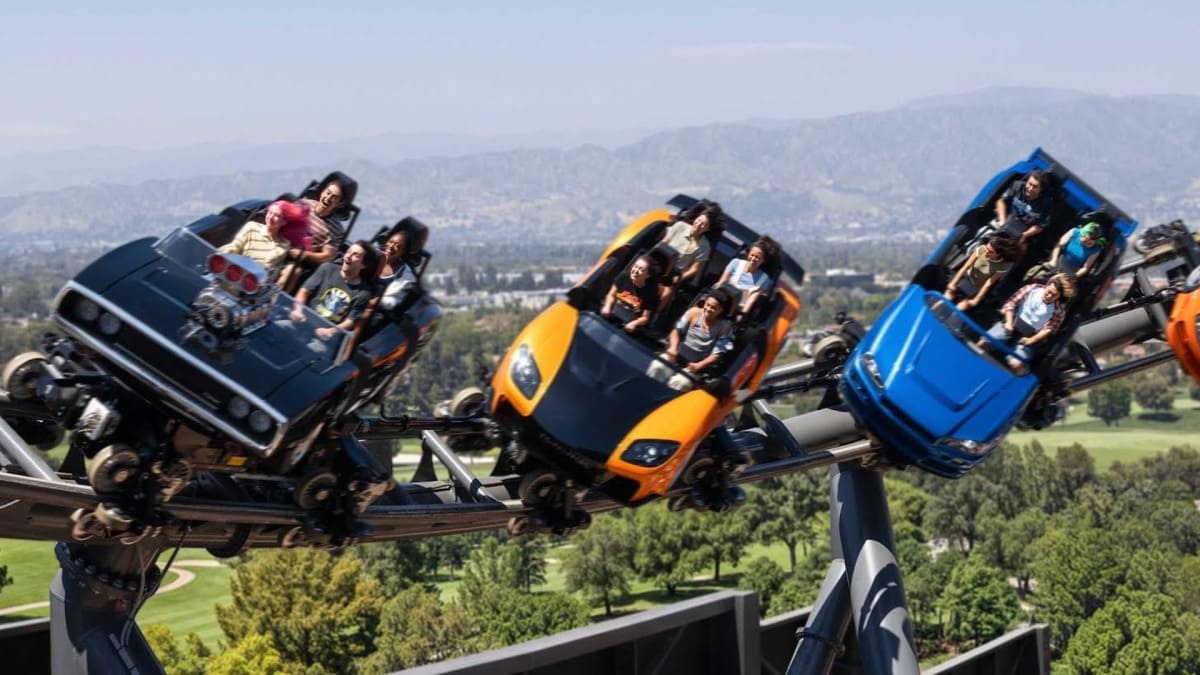
Theme parks frequently base attractions on popular movies, a trend exemplified by Disney and Universal Studios. However, these movie-themed rides can be categorized into three groups based on their approach to the source material. The first type retells the movie's story, while the second adds an original narrative using the same characters and setting.
The third group focuses on capturing the movie's vibe or aesthetic without incorporating specific characters or plot points. Regardless of the approach, the crucial aspect is that the ride should feel like the movie it adapts. If it fails to achieve this, it is likely to be poorly received. The recent failure of Universal Studios Florida's Fast & Furious: Supercharged serves as a prime example, demonstrating the importance of this principle.
Despite its name and the franchise's action-packed nature, Supercharged was a motion simulator ride with minimal forward momentum, leading to scathing reviews and a permanent shutdown just eight years after its opening. Its successor, Hollywood Drift, a spinning roller coaster in Universal Hollywood, offers a more successful adaptation by focusing on the speed and fury of the Fast & Furious movies, making it far more popular than its predecessor.
This highlights the need for theme park designers to ensure that movie-based attractions genuinely capture the essence of the films they are based on, rather than merely looking similar.
Written by urgent.news from The A.V. Club's reporting — not their text. Machine-written — may contain errors; check the original before relying on it.