The key Arabic words you need to know while performing Umrah
Umrah brings together pilgrims from around the world who often speak different languages and arrive with very different levels of familiarity with Arabic. Despite that cosmopolitanism, little is lost in translation. That is often because pilgrims arrive aware of what to expect, including the Arabic words and phrases that can make performing Umrah less arduous. Some describe the rituals…
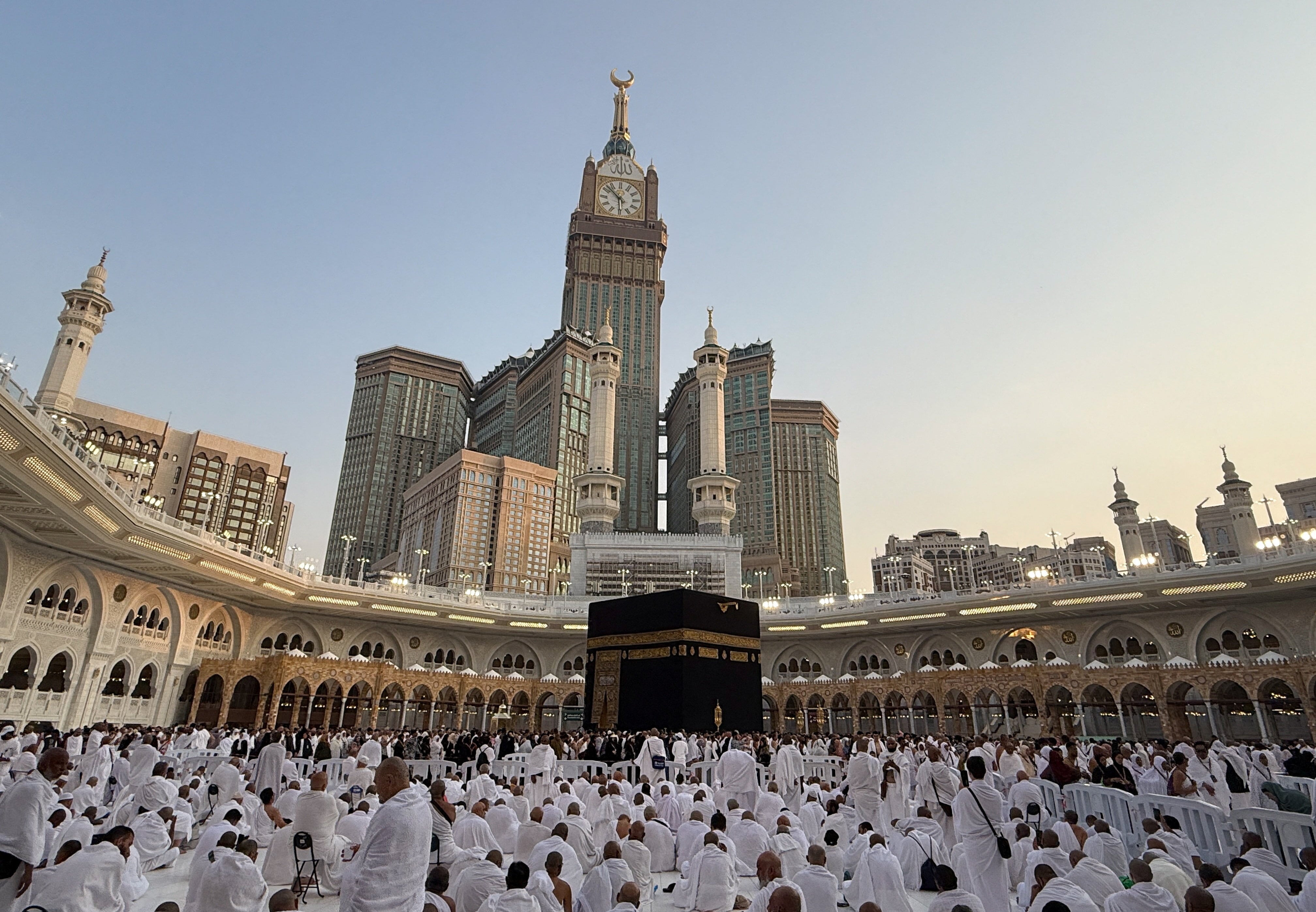
Umrah, a minor pilgrimage to the holy city of Makkah, attracts pilgrims from various parts of the world who speak different languages and have varying levels of understanding of Arabic. Despite this linguistic diversity, communication is often facilitated by common Arabic words and phrases used during the pilgrimage. These expressions can make the experience less burdensome and more spiritually enriching.
One of the fundamental concepts in Umrah is the state of Ihram, which transcends the physical act of wearing two white garments. Ihram signifies a sacred state of mind, where a pilgrim refrains from engaging in actions that could disrupt their worship. This includes avoiding arguments or behaviors that might disturb one's spiritual focus.
Restrictions during Ihram include not using perfume, cutting hair or nails, and adhering to certain clothing guidelines. Pilgrims may still be referred to as being "in ihram" to indicate they are still fulfilling the pilgrimage or as a friendly reminder to maintain decorum.
Niyyah, the Arabic term for intention, is crucial in Umrah. It is a silent affirmation of purpose that underscores the pilgrimage's significance. Umrah is not merely a series of physical actions but a conscious endeavor to perform each ritual with mindful intent. In a group setting, the guide may call out for participants to "make your niyyah" as they begin their journey to Makkah, serving as a reminder of the importance of intention in fulfilling the spiritual duty.
Miqat is a geographical landmark indicating the boundary at which a pilgrim must enter Ihram before entering Makkah. Depending on the travel route, miqat locations can be up to 400 kilometers away from Makkah. Pilgrims approaching Makkah by air or road receive announcements or signs about approaching their designated miqat, reminding them to enter Ihram and declare their intention before crossing the boundary. This process ensures that all pilgrims are prepared for the ritual before reaching the holy site.
The recitation of Talbiyah is a central component of Umrah. This declaration of prayer, often translated as "Here I am, O Allah, here I am," reflects a pilgrim's response to God's call to perform Umrah. Originating from the Arabic word labbayk, which conveys a sense of answering or responding, Talbiyah is recited as pilgrims travel towards Makkah. Its recitation underscores humility and gratitude for the opportunity to undertake this sacred journey, emphasizing that the ability to perform Umrah is a divine provision.
Tawaf, the ritual of circling the Kaaba seven times in an anticlockwise direction, is a visually striking aspect of Umrah. This action represents the encircling of God, symbolizing devotion and humility before the divine. Pilgrims may hear their guide announce, "it's time to go for Tawaf," indicating the beginning of this profound ritual.
Following Tawaf is Sai, which involves seven counter-clockwise laps between Safa and Marwa, hills that commemorate Hagar's frantic search for water for her son, Ismail. This act of striving or moving with purpose recalls Hagar's perseverance and is an essential part of Umrah.
After completing Sai, pilgrims engage in Halq or Taqsir, which involves shaving or trimming the hair, marking the end of the Ihram period. Men can choose to shave their heads or trim the hair, while women cut a small portion from the ends of their hair. These final physical acts signify the release from Ihram restrictions, allowing pilgrims to leave the sacred state and return to their normal lives, albeit forever changed by their spiritual journey.
Written by urgent.news from The National Business's reporting — not their text. Machine-written — may contain errors; check the original before relying on it.
This story
This is one outlet's version. Read the fullest account.
- The key Arabic words you need to know while performing Umrah thenationalnews.com