The Houthis: Iran’s bargaining chip with Washington
The Houthis: Iran’s bargaining chip with Washington newspress_en Fri, 09/25/2026 - 07:04 Politics As Washington scrambled to contain the consequences of the Houthis' dramatic advance along Yemen’s Red Sea coast last week, US Vice President JD Vance confirmed US media reports that the Trump administration was "engaged in direct conversations with the Houthis." Days earlier, Reuters reported that…
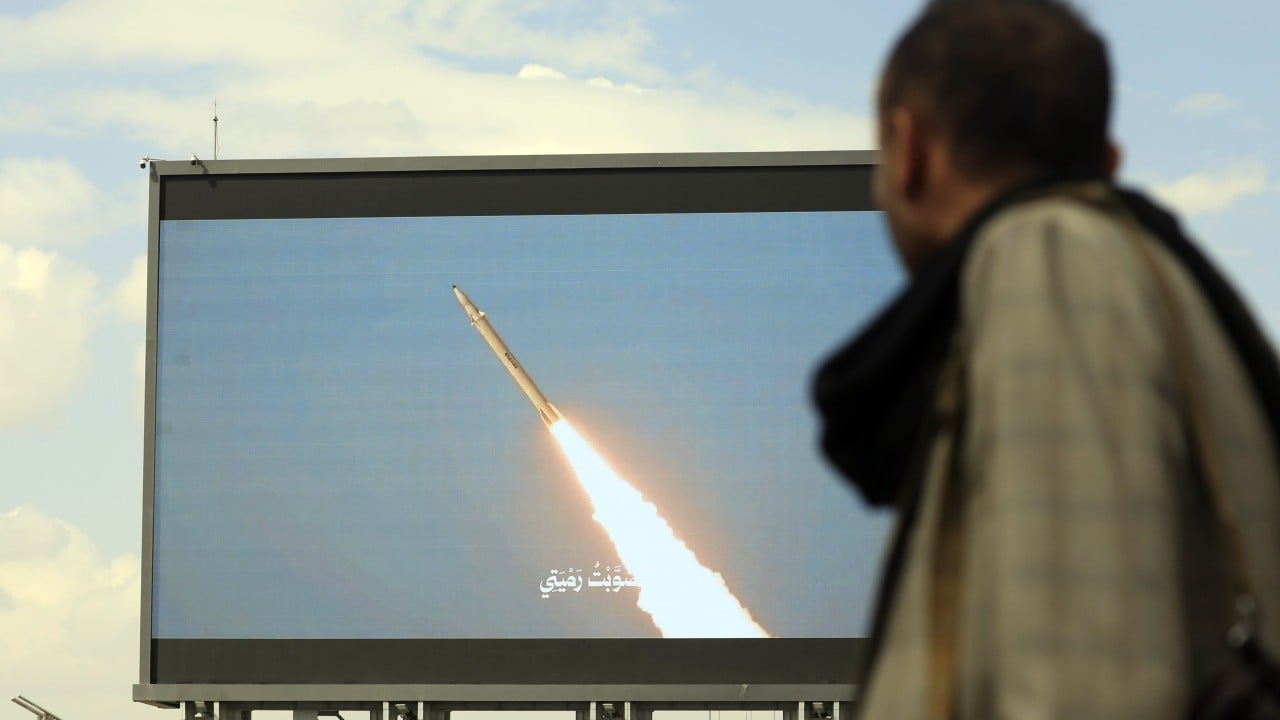
Washington grappled with the repercussions of the Houthis' rapid advances along Yemen's Red Sea coast last week, while US Vice President JD Vance revealed that the Trump administration was engaged in direct discussions with the group. Days earlier, Reuters reported US officials had met Houthi representatives at the US embassy in Muscat.
One of the most senior political officials in the Houthi group, Mohammed Abdulsalam, who is also under US sanctions, participated in these meetings. Despite the Houthis' assurance of respecting their existing ceasefire with the United States and refraining from attacking American vessels, their ongoing conflict with Saudi Arabia persisted.
This situation presents an ironic twist, as Donald Trump placed the Houthis on the US list of foreign terrorist organizations in January 2025, yet his administration is now negotiating with them. The Houthi group's improved battlefield position in recent weeks has prompted this unprecedented US engagement. Despite not providing military support to Yemen's internationally recognized government, which has expanded to attacks on Saudi Arabia, Washington continues to assist Saudi Arabia through providing critical intelligence and targeting assistance.
Could this mean the United States has abandoned its ally? Absolutely not. In fact, it is still providing assistance to Saudi Arabia. However, these actions may be perceived as signs in Tehran and other regions that Trump doubts the continuation of the expanding Middle Eastern conflict, including his war with Iran. This could indicate a potential desire to find an exit strategy and conclude the war.
While the evidence does not support this assumption, it does suggest a more intriguing possibility: Trump may be attempting to contain the war and prevent it from expanding further.
The conflict began in February and has since spread beyond direct US-Iranian exchanges. Washington is now managing the Strait of Hormuz, security threats to Gulf allies, energy infrastructure, the delicate political situations in Iraq, Lebanon, the Red Sea, and the renewed Saudi-Houthi war. US President Donald Trump stated that he hoped the Iran war was nearing its end. The challenge lies in finding an exit that does not lead to another front opening elsewhere.
Washington engaging quietly with what it considers rogue actors is not unusual. The CIA has established secret channels to groups like Yasser Arafat's PLO since the 1960s. Similarly, during the Biden administration, CIA Director William Burns played a crucial role in Gaza ceasefire diplomacy through Qatar and Egypt. In 2025, Trump took it a step further by having his hostage envoy, Adam Boehler, hold direct meetings with Hamas officials, despite the group being a US-designated terrorist organization.
Written by urgent.news from Al Majalla English's reporting — not their text. Machine-written — may contain errors; check the original before relying on it.