The Fight to Rein In AI Is Dividing Washington
As pressure mounts for Congress to address the risks of artificial intelligence, lawmakers are finding little agreement on what action to take.
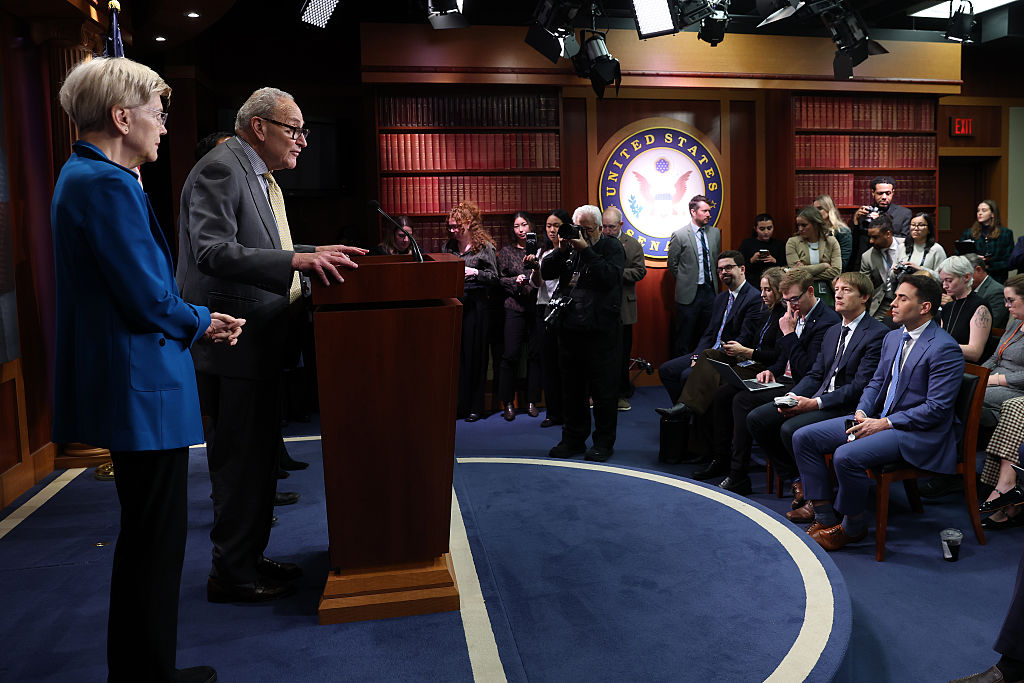
The ongoing debate over regulating Artificial Intelligence (AI) in Washington is deeply divided along party lines. Senate Minority Leader Chuck Schumer and Sen. Elizabeth Warren joined forces to speak about China AI export controls at a press conference. However, within the Senate, Jon Husted (R-Ohio) and Martin Heinrich (D-New Mexico) advocated for a different approach, suggesting that AI labs should bear the cost of their increasing energy consumption related to data centers.
Heinrich opposed Husted's Ratepayer Protection Act, arguing it was ineffective due to its reliance on voluntary state commitments and proposed an alternative bill instead. Husted faced criticism for expanding data centers during his tenure as lieutenant governor, while Heinrich claimed Democrats were seeking a "real solution" from Americans, who are increasingly concerned about AI's impact on jobs, energy bills, and even humanity's future.
The political landscape is further complicated by the rapid emergence of numerous AI-related bills proposed by lawmakers in recent months, with some introducing seven new bills since former Anthropic researcher Jacob Coxon's resignation, which highlighted potential risks associated with frontier AI labs. As the mid-term elections approach, Congress is focused on implementing legislation, although the possibility of passing significant AI safety legislation appears slim due to deep-seated disagreements about the risks posed by superintelligent AI systems and the most effective mitigation strategies.
Written by urgent.news from Time's reporting — not their text. Machine-written — may contain errors; check the original before relying on it.