The death of distance: How Vande Bharat, bridges, tunnels and expressways draw Indian cities closer without moving
The impact is particularly visible on routes where rivers, mountains, traffic congestion and ageing railway infrastructure had historically added hours to journeys. Govt data shows that several major infrastructure projects have substantially reduced both travel distances and overall journey times.
India's expanding infrastructure network, including bridges, tunnels, expressways, and high-speed trains, is revolutionizing transportation between major cities and remote areas. The Bhupen Hazarika Setu, or Dhola-Sadiya Bridge, has halved travel time between Assam and Arunachal Pradesh from six hours to approximately one hour. The Bogibeel Bridge in Assam has reduced the journey from Dhemaji to Dibrugarh from nearly a day to one to two hours.
In Mumbai, the Atal Setu bridge and the Mumbai Trans Harbour Link have improved connectivity with Navi Mumbai, reducing travel times significantly. Rail projects like the Kosi Rail Mahasetu have cut journey times from eight hours to around 30 minutes between Nirmali and Saraigarh. Tunnels, such as the Atal Tunnel and Dr Syama Prasad Mookerjee Tunnel, have shortened routes through mountainous terrain, saving hours of travel time.
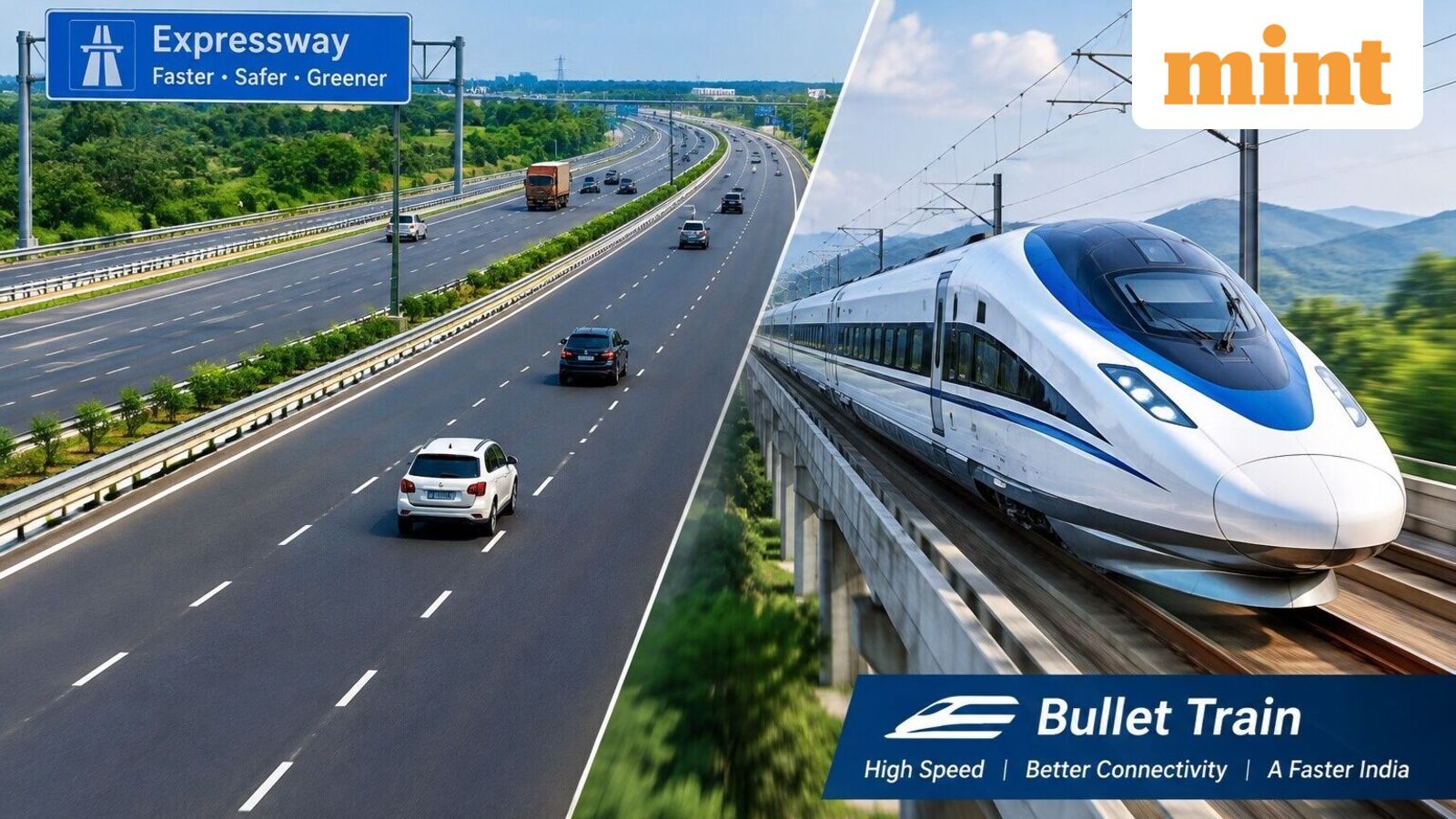
India's expressway network, including the Delhi-Meerut Expressway and the Delhi-Dehradun Economic Corridor, has reduced journey times between major cities. Longer expressway projects, like the Delhi-Amritsar-Katra Expressway, are expected to further cut travel times. Faster Vande Bharat trains have shortened travel times on several routes, with the New Delhi-Varanasi service being 40-50% faster.
The Mumbai-Ahmedabad High-Speed Rail Corridor, once operational, is projected to reduce the journey from several hours to just over an hour. Seven additional high-speed rail corridors covering nearly 4,000 km are planned, with an estimated investment of ₹16 lakh crore.
Written by urgent.news from Live Mint's reporting — not their text. Machine-written — may contain errors; check the original before relying on it.