The chop box dilemma: Why Ghana is paying more to kill its own economy
For decades, the wooden chop box has been a symbol of every Ghanaian boarding school experience. Crafted by the local carpenter, painted with the student’s name and sealed with a small padlock, it was more than just a box – it was a piece of home. Today, that tradition is under threat. Across our Senior […]
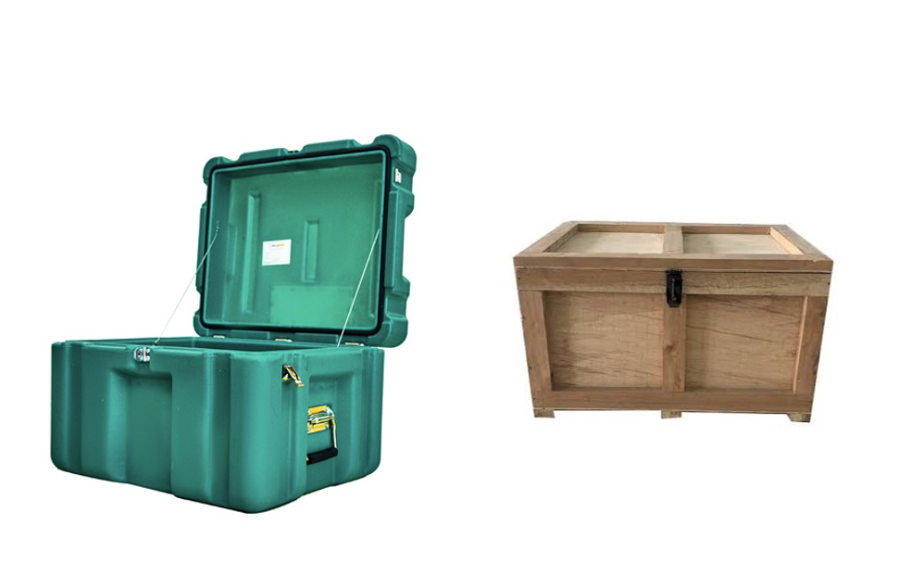
The wooden chop box, a symbol of Ghanaian boarding school life, is under threat as imported Chinese plastic versions become more common. These plastic boxes cost almost three times as much as the traditional wooden ones, which are crafted by local artisans and sold for between GHC 250 and GHC 400. The wooden boxes offer numerous benefits, supporting local families, creating jobs, and being eco-friendly.
However, the plastic boxes are fragile, costly, and a source of pollution. With over 150,000 students choosing the plastic boxes annually, Ghana stands to lose GHC 70 million each year, money that could instead fund local carpenters and their apprentices. School authorities, the Ghana Education Service, and the government must take steps to promote the use of locally made wooden boxes, such as adjusting guidelines, providing financial support, and enforcing policies that prioritize locally produced products.
By doing so, Ghana can break the cycle of economic self-sabotage and foster a more sustainable, prosperous future.
Written by urgent.news from Adom Online's reporting — not their text. Machine-written — may contain errors; check the original before relying on it.