The Chinese roots of ‘gung-ho’ as Trump and Xi look to shared history
Chinese viewers watching Donald Trump welcome Xi Jinping to the White House on Thursday may have been puzzled by the US president’s reference to the “Chinese phrase” gung-ho. Turning to Baidu – or increasingly, Doubao, the country’s most popular AI chatbot – they may well have asked: what Chinese expression is he referring to? It sounds Chinese, but gung-ho is neither part of everyday usage nor…
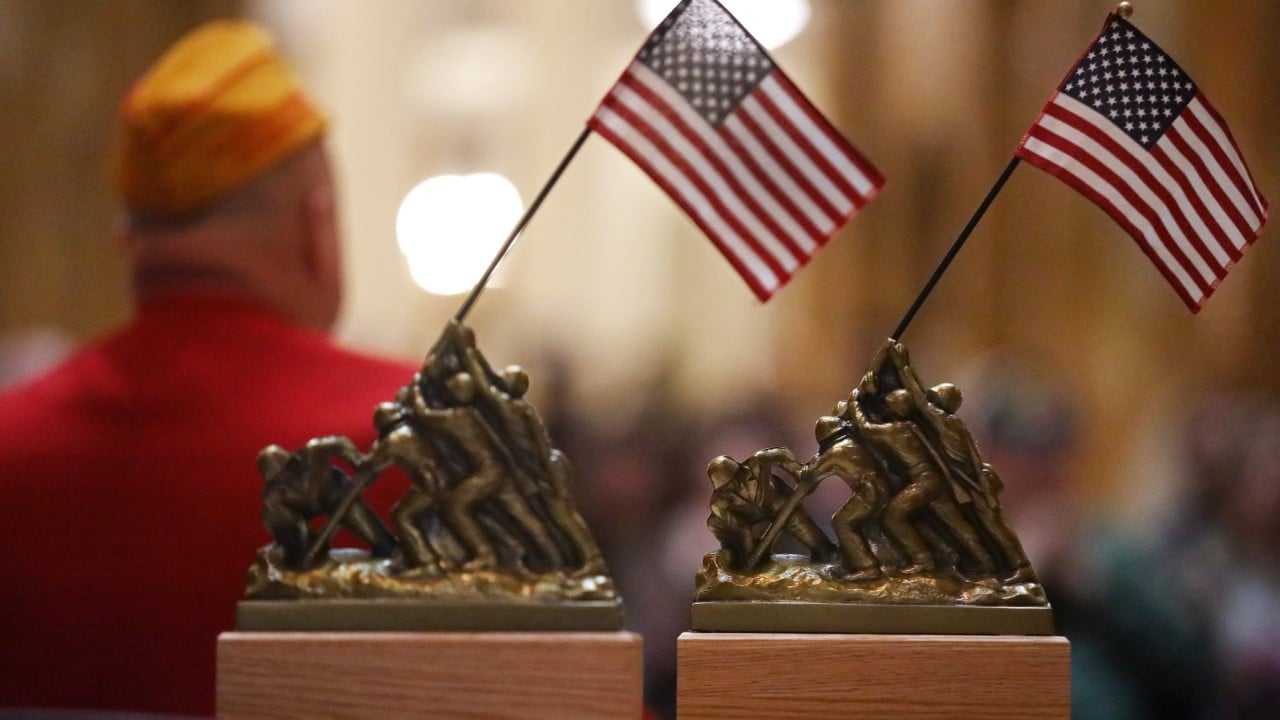
The term "gung-ho," which Donald Trump used in reference to the upcoming White House meeting with Chinese President Xi Jinping, actually has its roots in Chinese history. In Mandarin, it is spelled gong he (工合), referring to gongye hezuoshe (工业合作社), which translates to "industrial cooperatives." These cooperatives were grassroots labor units established in China in 1938 to produce small industrial supplies to aid the war effort against Japan.
The term was introduced to English by Evans Carlson, a U.S. Marine Corps officer who served as a military observer in China between 1937 and 1938. Carlson was impressed by the cooperative spirit of the Chinese workers and inaccurately interpreted the acronym as a motto meaning "work together – work in harmony." Later, as commander of the 2nd Marine Raider Battalion, Carlson used the term to rally his troops, which subsequently gained popularity among fellow marines to describe excessive enthusiasm.
The term gained further traction after the "Gung Ho!" movie was released in 1943, depicting the story of Carlson's battalion. It eventually became a part of American slang, signifying enthusiasm, zeal, or eagerness for action. Despite deviating from its original meaning, the word has come to symbolize the positive aspects of the 2026 presidential meeting between the U.S. and China.
This summit aims to find common ground amidst ongoing disputes, focusing on history, culture, and shared victories, such as the Flying Tigers and World War II alliance. Carlson's unconventional combat tactics and leadership philosophies were influenced by his experiences with the Chinese Communists, reinforcing the relevance of the term "gung-ho" for the diplomatic encounter between the two nations.
Written by urgent.news from Reuters Business via SCMP's reporting — not their text. Machine-written — may contain errors; check the original before relying on it.
This story
This is one outlet's version. Read the fullest account.