Talk of US export ban on diesel deepens US crude futures' discount to global benchmark
HOUSTON: Washington's talk of a possible ban on diesel exports is widening the gap between US crude oil futures and the global Brent benchmark, a signal that markets expect US refiners to process less crude oil if their diesel output gets stuck at home.
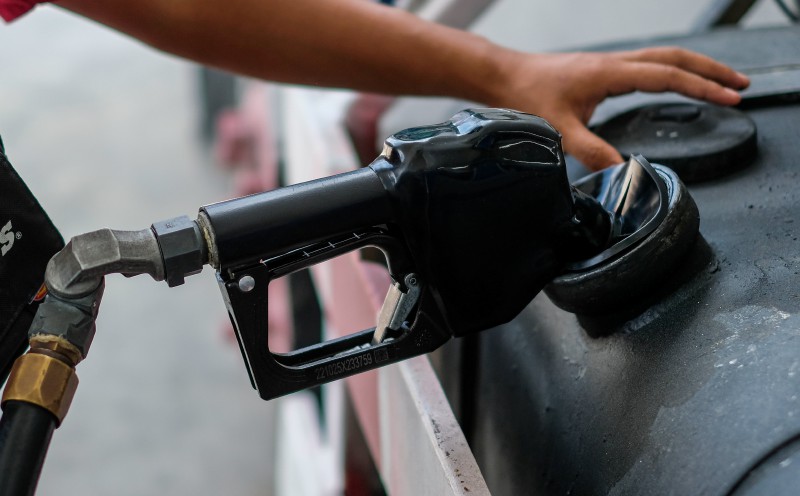
The potential US export ban on diesel is causing a widening gap between US crude oil futures and the global Brent benchmark, signaling that markets expect US refiners to process less crude oil if diesel production remains domestic. While this could temporarily lower high domestic diesel prices, which have reached a record US$6.528 a gallon, it may also lead to higher gasoline prices in the future and potentially revive rising diesel prices.
West Texas Intermediate (WTI) crude futures have traded as much as US$12.02 a barrel below Brent futures on Thursday, the largest discount since May 6, due to expectations of reduced US crude processing. Analysts predict US refiners could decrease their crude runs by up to 12%, causing storage hubs to fill up within a month. The US is the world's largest diesel exporter, with about 1.2 million barrels of net exports per day, compared to 5.1 million bpd production.
A diesel export ban would divert a 700,000 bpd oversupply of diesel and gasoil into storage, filling Gulf Coast inventories to maximum capacity in less than a month. This would force US refiners to cut crude runs by 12% of current rates to prevent inventory overcapacity. However, the prospects for a US diesel export ban are uncertain. President Trump has expressed support for a ban, but the White House has denied reports of a 90-day diesel export ban plan.
Written by urgent.news from New Straits Times's reporting — not their text. Machine-written — may contain errors; check the original before relying on it.