Stakeholders Call for Review of Proposed Tobacco Bill as Public Participation Begins
Stakeholders from Kenya’s retail, hospitality, entertainment and harm-reduction sectors have called for amendments to the proposed Tobacco Control (Amendment) Bill, 2026, warning that some provisions could increase the cost of doing business, disrupt legitimate trade and create opportunities for illicit markets. The stakeholders spoke in Nairobi during a public participation exercise convened by…
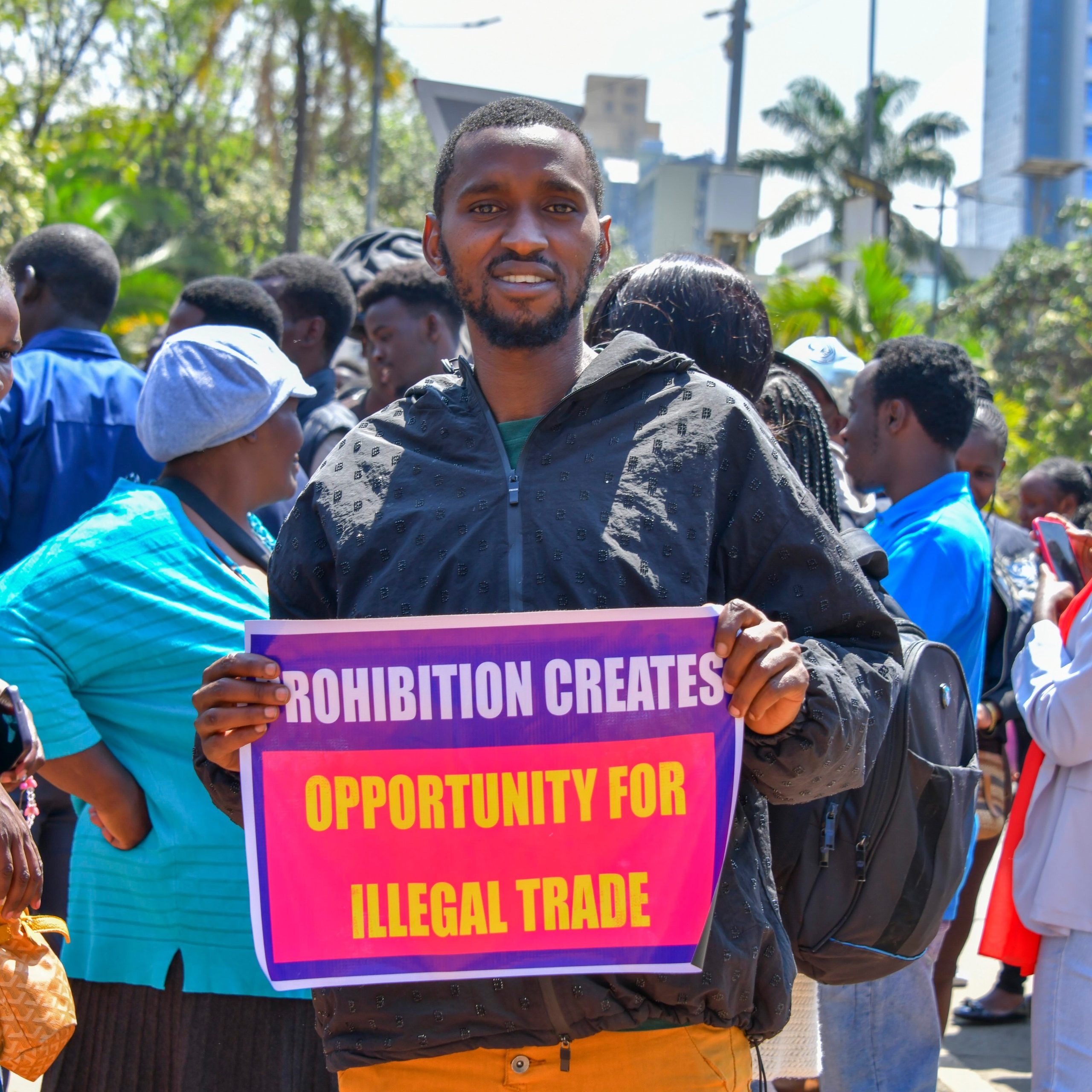
Kenya's retail, hospitality, entertainment, and harm-reduction sectors have joined forces to urge amendments to the proposed Tobacco Control (Amendment) Bill, 2026. Speaking during a public participation event in Nairobi, industry leaders warned that certain provisions could escalate business costs, disrupt legitimate trade, and pave the way for illicit markets.
The National Assembly’s Committee on Health convened the session, urging lawmakers to strike a balance between public health goals and the interests of businesses and workers within the tobacco value chain.
While the stakeholders supported efforts to curb tobacco-related harm and enhance regulatory oversight, they expressed apprehensions that specific restrictions could yield unforeseen consequences if implemented without adequate enforcement mechanisms. Wambui Mbarire, CEO of the Retail Trade Association of Kenya (RETRAK), questioned the additional licensing requirement for retailers selling tobacco products, stating that it could burden an already intricate regulatory landscape, particularly for small and medium-sized enterprises already grappling with substantial compliance expenses.
Perak National Chairman Michael Kiragu echoed similar concerns over the proposed licensing framework, describing the need for separate licenses to operate a business and sell tobacco products as a duplication of existing policies. The Bars, Hotels and Liquor Traders Association of Kenya (BAHLITA) took issue with the proposed ban on flavors in tobacco products, arguing that such a restriction could stimulate demand for illicit alternatives.
BAHLITA Secretary-General Boniface Gachoka advocated for focusing the prohibition on flavors that attract children rather than implementing a complete ban.
The industry representatives further cautioned that a pivot towards illicit tobacco products could expose consumers to products outside the regulated framework while undermining legitimate businesses and government tax revenues. They implored Parliament to weigh the potential economic and enforcement ramifications of the proposed amendments prior to finalizing the bill.
The National Assembly’s Health Committee is currently conducting public participation forums across Nairobi, Uasin Gishu, Bungoma, Kisumu, Meru, Tharaka Nithi, and Laikipia counties, all in preparation for the resumption of House sessions following the parliamentary recess.
Written by urgent.news from KahawaTungu's reporting — not their text. Machine-written — may contain errors; check the original before relying on it.
This story
This is one outlet's version. Read the fullest account.