Save Ghana’s coastline before it is too late
Ghana’s coastline is more than a stretch of beautiful beaches. It is an economic asset, a source of food and livelihoods, a centre of tourism and an important part of the country’s blue economy. That asset, however, is increasingly coming under pressure from activities taking place both along the coast and far inland. The warning … The post Save Ghana’s coastline before it is too late appeared…

Ghana’s coastline is a vital asset, contributing to the economy, food supply, tourism, and the country’s blue economy. However, it is under threat from various activities both along the coast and inland, according to Professor Ernest Amankwa Afrifa of the University of Cape Coast. He emphasized that the country risks losing its coastline and associated economic activities if immediate action is not taken to address increasing saline and mining-related intrusion into coastal areas.
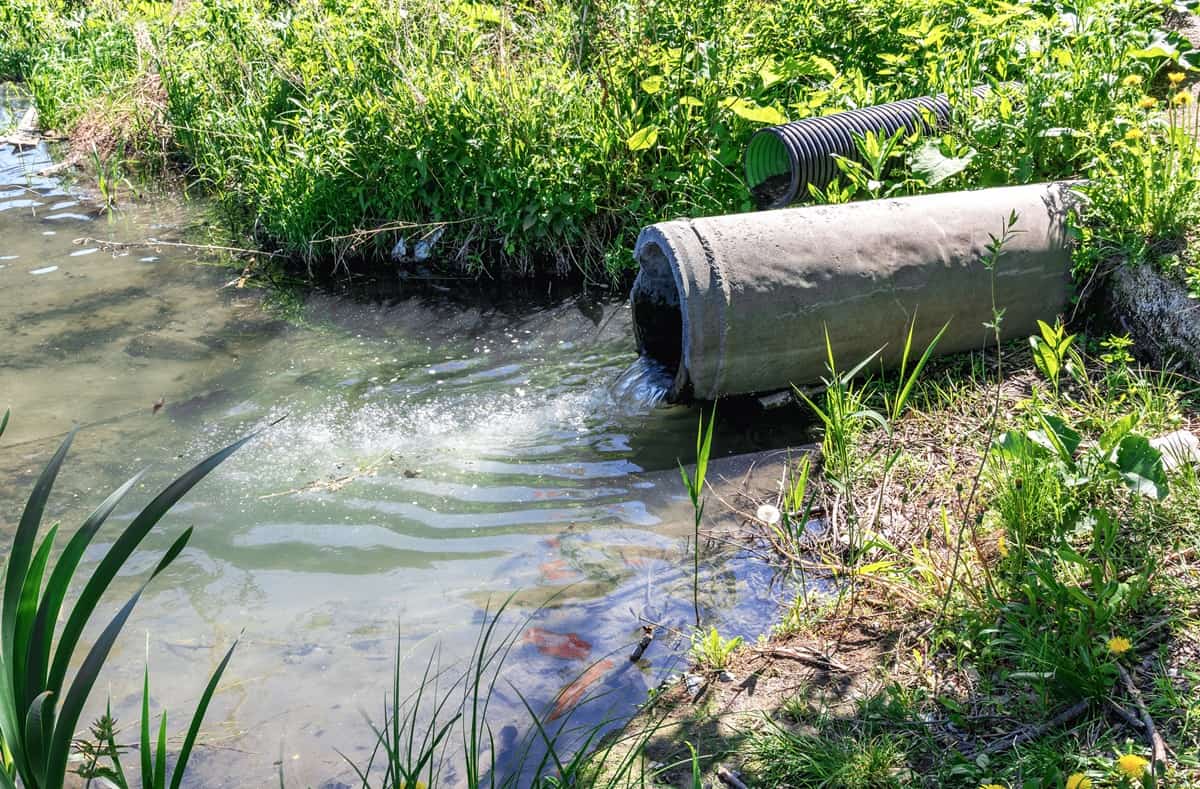
Illegal mining plays a significant role in the degradation of the coastline. Although the connection between mining and the coast may not be immediately apparent, pollutants from mining activities can travel through rivers downstream, reaching lagoons and the sea. This results in a chain of environmental damage that impacts communities neither involved in mining nor living near the coast.
The fisheries sector is already experiencing a decline, with fish landings decreasing by about 59% between 1993 and 2019 due to environmental degradation, illegal mining, plastic pollution, climate change, and unregulated fishing.
These issues are critical for Ghana, as the country seeks to develop its blue economy. A response to these problems must extend beyond occasional campaigns and statements. Collaboration among government agencies, scientists, businesses, and coastal communities is essential. Enforcement agencies must work together to pursue polluters, while institutions responsible for water, fisheries, environmental protection, and coastal management should coordinate their efforts instead of working in isolation.
Investment in scientific research and reliable environmental data is also crucial. Scientists need the necessary resources and institutional support to track pollution, identify emerging threats, and provide evidence for policy decisions. Coastal communities should have a say in protecting the resources that support their livelihoods.
The Ghanaian Times encourages stronger institutions, appropriate policies, infrastructure investment, skilled human resources, and closer collaboration among government, academia, industry, and coastal communities. However, collaboration must result in action. Ghana must recognize that destroying its rivers is not a separate issue from damaging its coastline.
The warning that problems in inland areas gradually affect the coast should serve as a wake-up call. The time to protect the country’s shores has arrived. Everyone, from government and traditional authorities to mining communities, scientists, businesses, and citizens, must contribute to stopping pollution at its source. The cost of inaction extends beyond the environment, as Ghana risks losing fish, jobs, tourism opportunities, livelihoods, and would leave future generations with a severely damaged coastline.
Written by urgent.news from Ghanaian Times's reporting — not their text. Machine-written — may contain errors; check the original before relying on it.