Saudi Arabia possesses formidable military capabilities, says analyst
Political analyst Dr. Saeed Al-Qadi says Saudi Arabia is a powerful deterrent and peace force, able to protect its security and sovereignty.
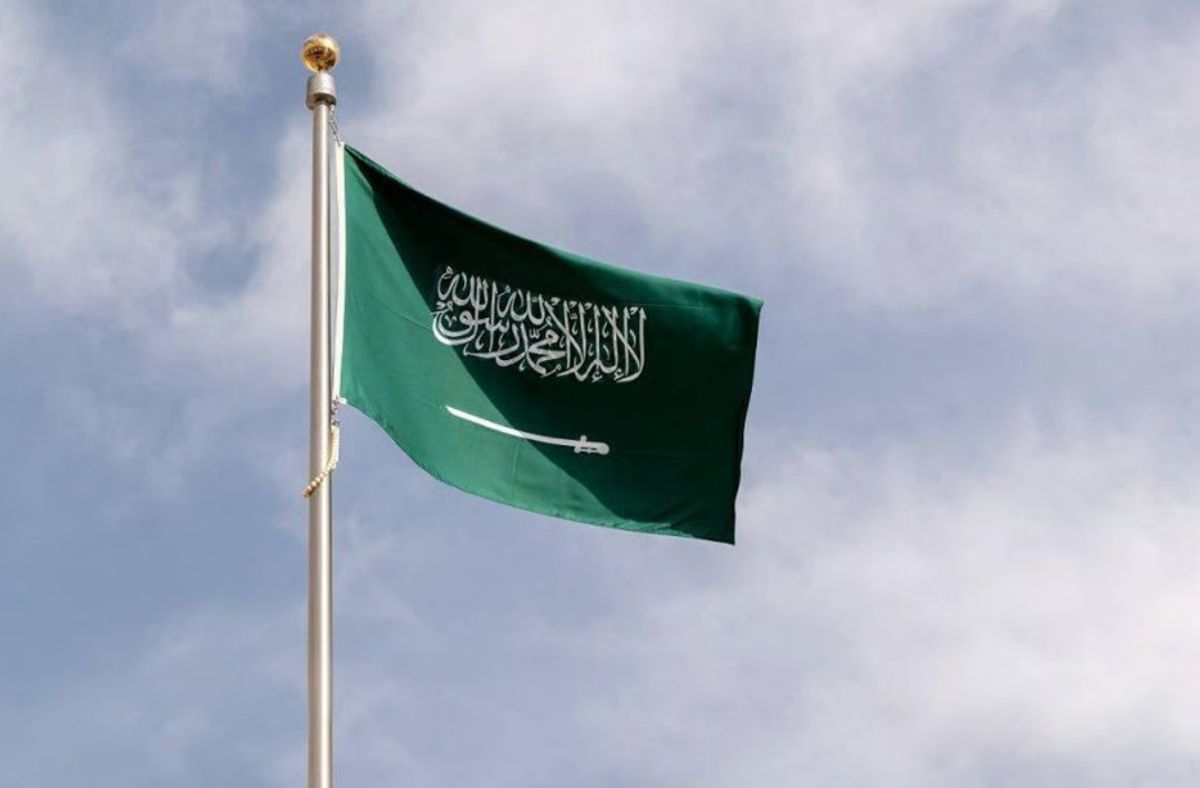
Saudi Arabia, Turkey, and Pakistan are convening an urgent high-level defense meeting under their joint pact to address support for the Saudi-led kingdom amidst escalating attacks by Yemen's Houthis. Simultaneously, Iran has distanced itself from its Houthi allies following an interview with Fox News in which Iranian President Masoud Pezeshkian claimed responsibility for their actions.
The Houthi militia has conducted numerous missile and drone strikes on Saudi targets, disrupting oil supplies from Saudi Arabia, the world's leading energy exporter. In response, Saudi authorities issued emergency alerts for several key cities including Mecca, Jeddah, and Yanbu, a major Red Sea oil port. King Salman of Saudi Arabia denounced the Houthis as a "terrorist militia" and urged his soldiers to fight until the group is removed from power.
The foreign ministers of Saudi Arabia, Turkey, and Pakistan met within the framework of the Makkah Joint Defence Agreement to condemn the attacks on civilian sites and reaffirm Saudi Arabia's right to self-defense. They also discussed arrangements for an urgent meeting of their respective chiefs of staff to devise strategies for supporting the kingdom under this agreement.
Meanwhile, Iranian President Masoud Pezeshkian attempted to distance Iran from the Houthis during an interview with Fox News. He emphasized that the Houthis are solely accountable for their actions. Pezeshkian's comments came during a brief diplomatic pause between the United States and Iran, with Qatar serving as an intermediary.
The Iranian foreign minister suggested reopening the Strait of Hormuz if Tehran's conditions for ending hostilities are met, proposing the cessation of conflicts in Lebanon, lifting the blockade on Iranian ports, freeing frozen Iranian funds, and waiving oil sanctions. The United States has not yet responded to Iran's proposal.
The ongoing conflict, initiated by US and Israeli strikes on Iran in February, has resulted in thousands of casualties and disrupted global energy supplies, driving up oil prices. Although direct combat between the US and Iran has largely ceased, regional actors like Hezbollah in Lebanon and the Houthis in Yemen are actively participating.
Iran's involvement with its allies has caused significant strain on Saudi Arabian oil exports, and the Houthis have disrupted shipping at the Red Sea's entrance. Iran is believed to have directly influenced the Houthis' advance along Yemen's Red Sea coast, according to Yemeni, Iranian, and regional sources.
Written by urgent.news from Business Recorder's reporting — not their text. Machine-written — may contain errors; check the original before relying on it.
This story
This is one outlet's version. Read the fullest account.