Russia's faster Shaheds could rival ballistic missiles this winter
A few months ago, the only particularly serious threat to Kyiv and other Ukrainian cities came from Russian and North Korean ballistic missiles. As the Ukrainian mil-tech industry and air defense units perfected their ability to intercept the common "Shahed" drones (now officially called Geran-2, although Ukrainians stick to the original Iranian name), raising the shoot-down rate to 90–95%, a…
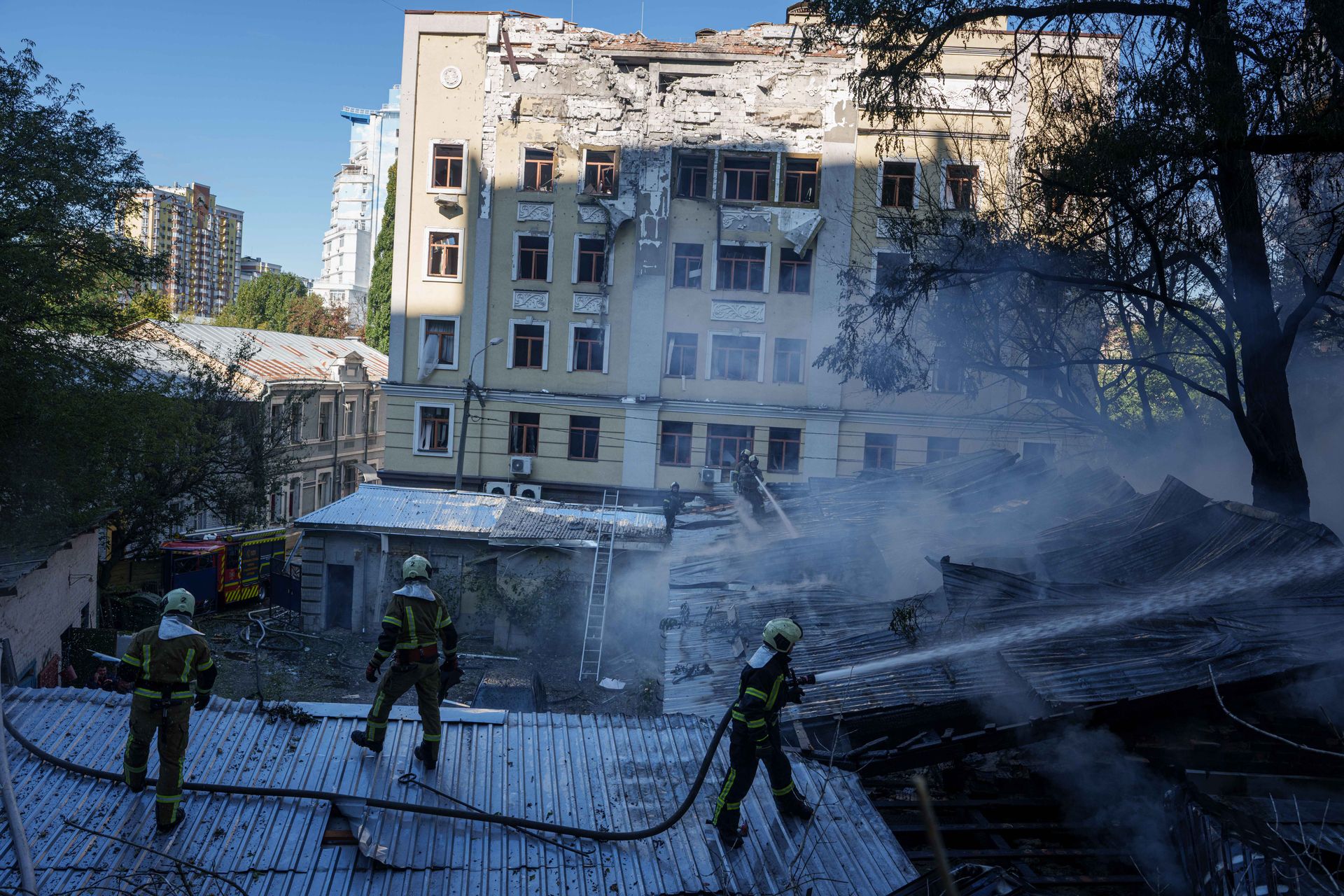
Russia has recently developed faster Shahed drones that could potentially rival traditional ballistic missiles, posing a significant threat to Ukraine during the upcoming winter. The older generation of Shahed drones, known officially as Geran-2, were once considered a serious threat to Ukrainian cities like Kyiv. However, Ukraine's military and air defense units managed to intercept them with a high success rate of 90-95%, which alleviated the issue of a shortage in anti-ballistic interceptor missiles.
The new, jet-powered Shaheds are capable of flying at speeds over 800 km/h (500 mph), leaving Ukraine's current interceptors struggling to catch up. These faster drones require interceptors to fly at least 450 km/h (280 mph) to successfully neutralize them. While Ukraine is working on producing faster interceptors, it remains uncertain whether they will be effective against the new jet-powered Shaheds.
Ukraine has seen a decrease in the number of older Shahed drones launched in recent months, but Russia has counteracted this by increasingly relying on faster, jet-powered drones. In August 2026, Russia launched nearly 800 new Shaheds in just four days, capitalizing on Ukraine's advanced interception capabilities against the previous generation of drones. Some experts believe that the threat from these new Shaheds may be as damaging as ballistic missiles in the upcoming winter.
Weather conditions play a significant role in the effectiveness of the interceptor drones. Strong winds, rain, and poor visibility can hinder their performance, leading some Ukrainian officials to associate rainy weather with cheaper, slower Shahed drones. As fall brings more fog and lower cloud cover, the conditions that favor Russian drones and hinder Ukrainian interceptors are expected to return, giving Moscow an added reason to continue using its cheaper, slower strike drones.
Written by urgent.news from Kyiv Independent's reporting — not their text. Machine-written — may contain errors; check the original before relying on it.