Rupiah heads for biggest weekly fall since May on higher US yields, firm dollar
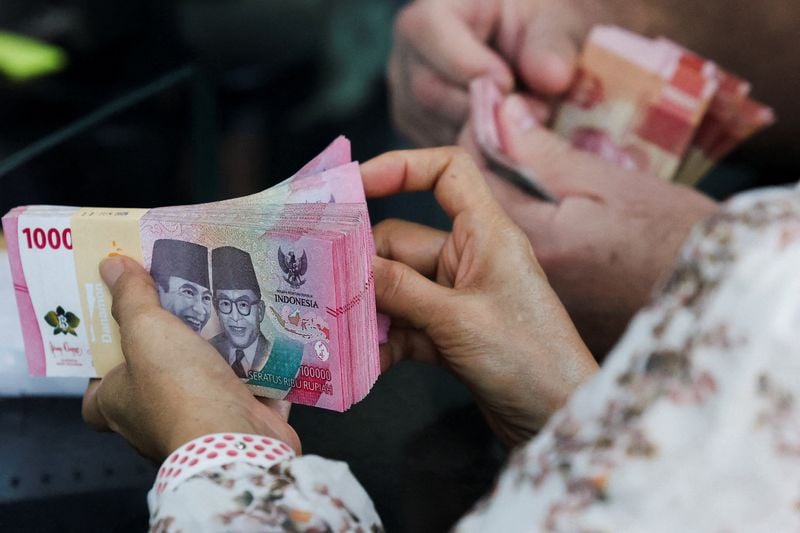
The Indonesian rupiah is on track for its largest weekly decline since May, weakened by higher U.S. Treasury yields, a stronger dollar, and expectations of the Federal Reserve maintaining rates for a longer period. The currency fell by as much as 0.3% to 17,935 per dollar, signaling its worst weekly performance since mid-May, with losses surpassing 1%.
Despite Bank Indonesia (BI) maintaining its benchmark interest rate at 5.75% on Wednesday, it expressed willingness to support the rupiah through market-based measures due to the impact of high oil prices and rising yields. FX strategist Lloyd Chan of MUFG noted that while coordination between BI and the finance ministry might offer limited protection against prolonged external shocks, further deterioration in the external environment could place more pressure on the rupiah, compelling the central bank to maintain a tight monetary policy.
The rupiah has been the worst-performing currency among oil-importing emerging Asian economies this year, losing 7% against the dollar, fueled by fuel subsidies that have raised concerns about the fiscal health of the $1.4 trillion economy. Other Asian currencies displayed mixed performances, with the Thai baht weakening further, the Indian rupee edging higher, the Malaysian ringgit strengthening, and the South Korean won and Taiwan's dollar gaining, although trading volumes were thin, especially on holidays.
Regional equity markets showed mixed results, with China, South Korea, and Taiwan closed for holidays, while Thailand and the Philippines saw stock rebounds from previous losses. South Korea's KOSPI rose 2.7% weekly, and Taiwanese stocks gained 1.8% in their second consecutive weekly increase, highlighting optimism over chip demand.
Investors are observing an upcoming summit between U.S. President Donald Trump and Chinese President Xi Jinping in Washington, with no immediate breakthroughs on challenges such as AI, trade, and Taiwan.
Written by urgent.news from Investing.com's reporting — not their text. Machine-written — may contain errors; check the original before relying on it.