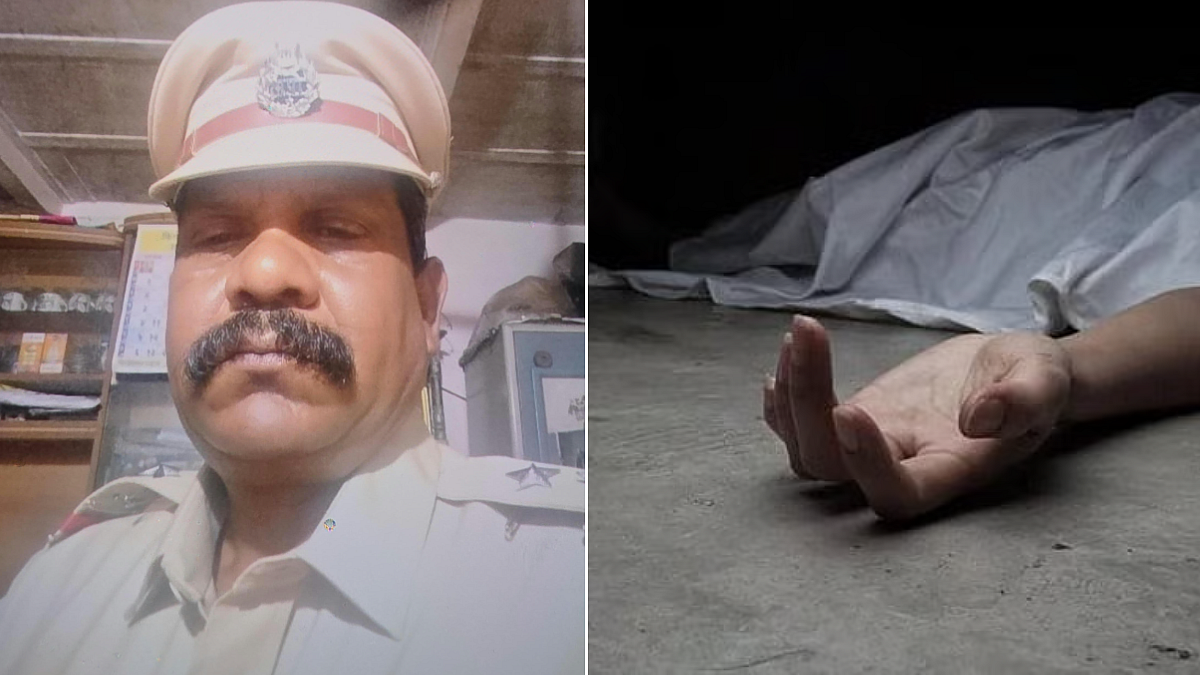
Real question in IIT-Bombay student suicide case: Was a crime committed?
The death of Sahil Wakode, a student at IIT-Bombay, has sparked discussions about the broader issue of student suicides, including academic pressure, disciplinary processes, teacher-student relationships, and mental-health support on campus. However, the most critical factor in this case appears to be the allegations of caste-based harassment, leading to the police invoking the SC/ST Act alongside the offense of abetment of suicide.
The central question remains: Was a crime committed? If no crime occurred, this could be another tragic case in the ongoing conversation about student suicides. But if a crime did take place, the focus should shift to examining casteism within elite institutions. Speculation about the identity of the perpetrator has begun, with the student's father accusing both the professor involved and the institute's director.
The harassment was reported to have endured for about three months before the incident in the exam hall on the day of the student's death. Public information about these allegations is limited to rumors, potential leaks, and commentary. The claim of academic cheating lacks evidence and does not negate the harassment allegations.
A fair and thorough investigation is crucial, emphasizing the need for caution before drawing conclusions. Three aspects of this incident warrant particular attention. First, the STEM-versus-humanities conflict has emerged due to the involvement of humanities students in protests. Criticizing the importance of teaching humanities at a technical institute is counterproductive and highlights the necessity of fostering social and political awareness across all students.
Second, the anxiety of high-achieving students is evident among those supporting the professor, who claim he was unfairly scapegoated despite adhering to established procedures. This mirrors existing anxieties surrounding the now-revoked UGC Equity Regulations and long-standing concerns about the potential misuse of the SC/ST Act.
The second problem lies in the fact that the "cheating" incident's facts have yet to be established, and the proper procedure for handling such cases remains unclear. The third aspect is the question of the perpetrator. In the context of OBCs, the author advocated for redefining "backward" as "oppressed," emphasizing the existence of oppressors in cases of oppression.
If this case is about a lack of mental-health support or systemic failures, then there may not be a single perpetrator. However, if casteism is indeed the issue, then the investigation should determine whether it was indeed carried out by casteist individuals.
Written by urgent.news from The Indian Express's reporting — not their text. Machine-written — may contain errors; check the original before relying on it.