Philippine impeachment: Follow the money. It has always led to the verdict
When history remembers the Philippines' most consequential impeachment trials, it may not recall every argument or motion. But it will remember the money. And it's not just because money was allegedly stolen or hidden, but because financial evidence became the language through which the nation judged the integrity of its highest officials. The impeachment of President Joseph Estrada in 2000 and…
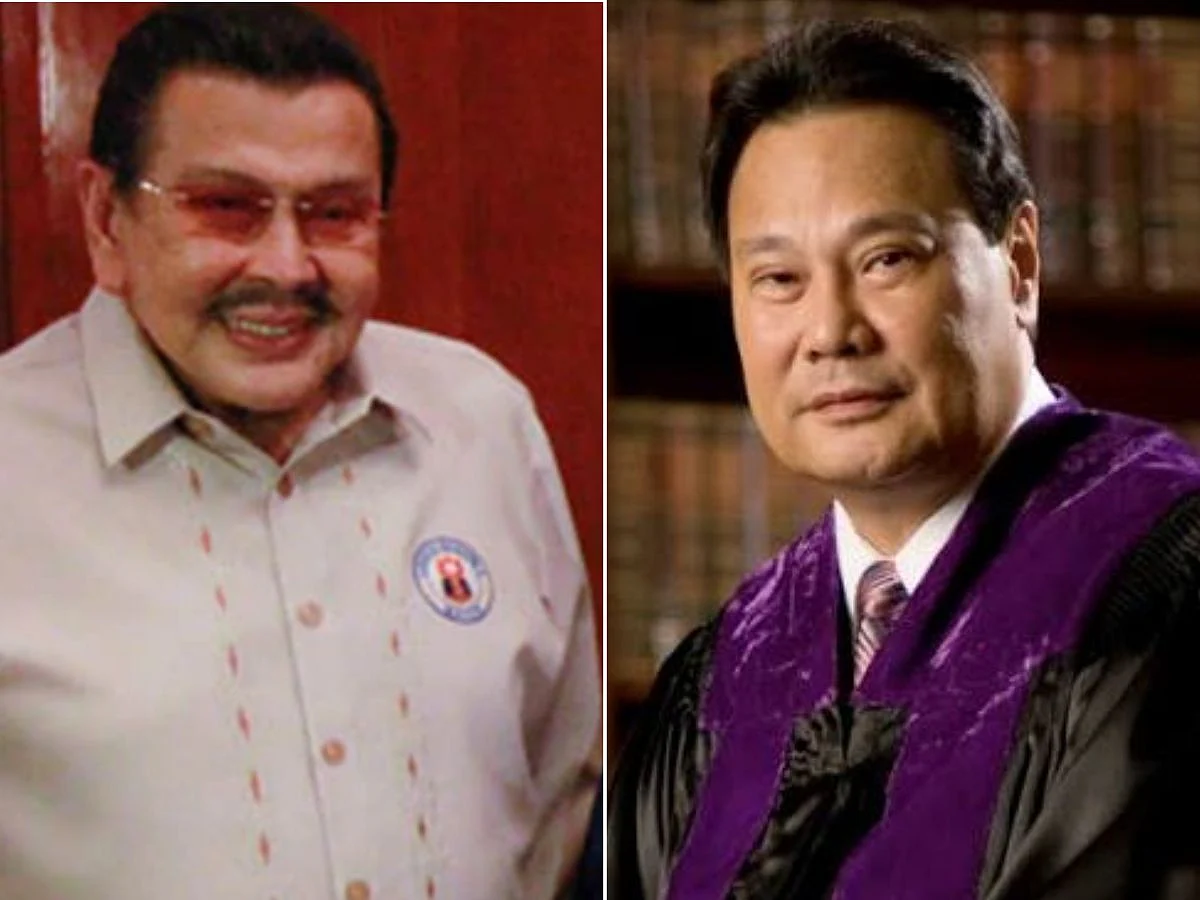
The impeachment trials of Presidents Joseph Estrada and Chief Justice Renato Corona in the Philippines highlighted the pivotal role financial evidence played in determining their political fates. In the 2000 trial against Estrada, allegations of illegal enrichment through public office, including protection money, tobacco tax kickbacks, and undisclosed bank accounts, dominated public discourse.
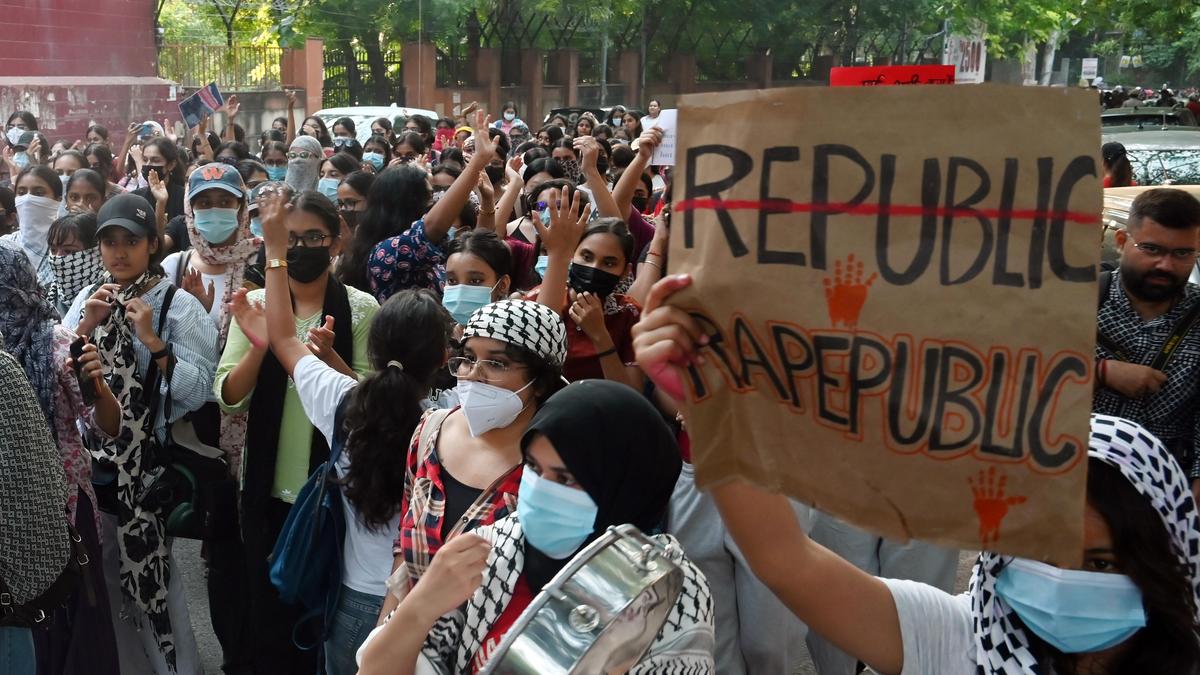
However, the turning point came when senators refused to open a sealed envelope containing crucial banking records, leading to widespread protests on EDSA that effectively ended the impeachment process. In contrast, the 2012 trial against Chief Justice Corona focused on his failure to disclose substantial assets in his Statement of Assets, Liabilities, and Net Worth, which violated constitutional norms and undermined public trust.
While the accusations and legal proceedings differed, the underlying theme remained consistent: financial transparency and accountability were central to assessing the integrity of public officials in both cases.
Brief written by urgent.news from Gulf News's own syndicated text. Machine-written — may contain errors; check the original before relying on it.