Oil prices waver in face of Iran war truce and Houthi attacks
Oil prices eased slightly on Friday after surging to more than $108 per barrel in the previous session, as investors weighed the possibility of a truce between the US and Iran against the bombings of Saudi Arabia by Houthi rebels that renewed fears of supply disruptions from Opec 's biggest producer. Brent, the benchmark for two-thirds of the world's oil, was down 1.2 per cent to $105.3 a barrel…
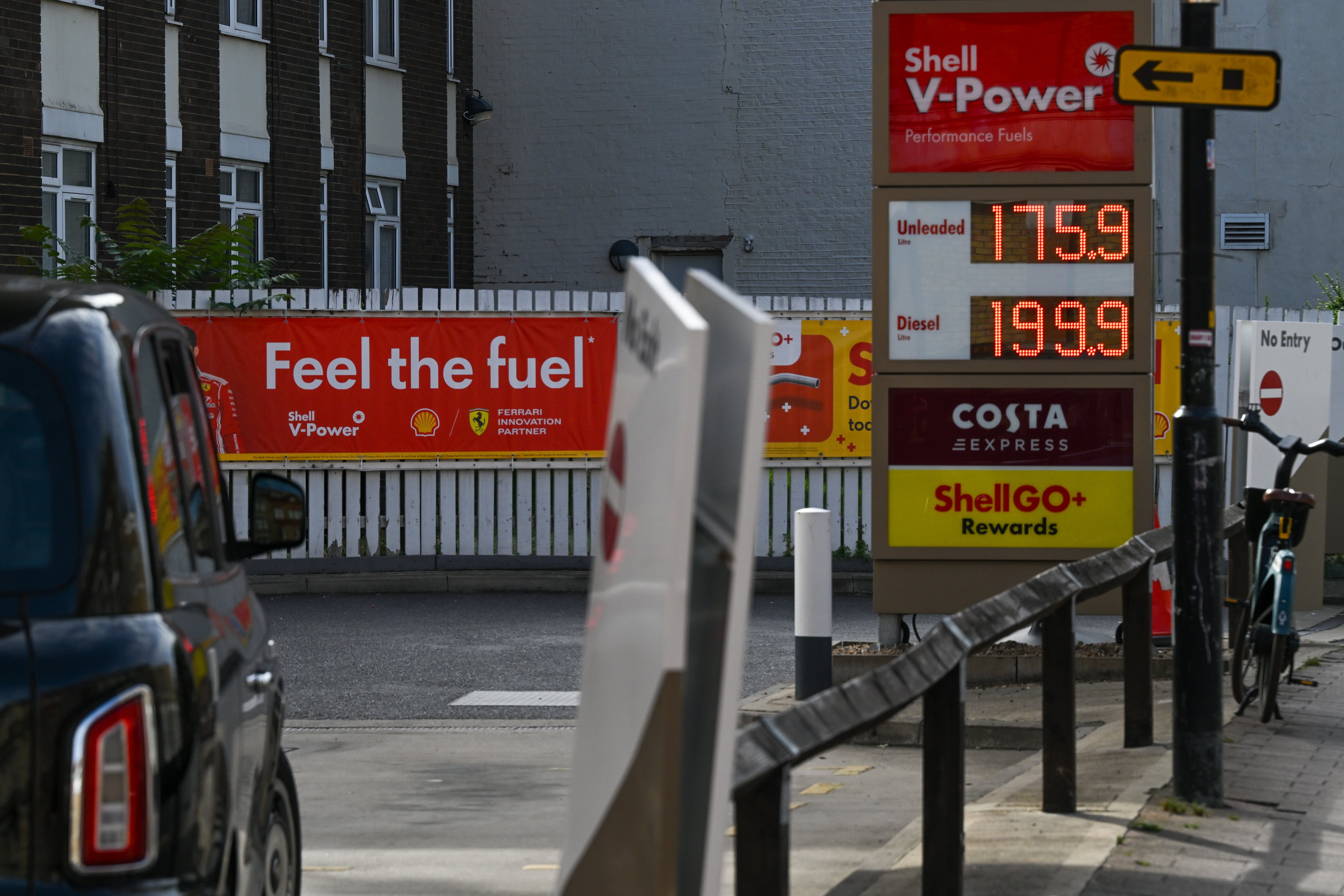
Oil prices softened on Friday following a surge to over $108 per barrel the previous day, as investors balanced the potential for a US-Iran truce with Houthi attacks on Saudi Arabia that raised concerns about supply disruptions from Opec's largest producer, Brent crude, the benchmark for two-thirds of the world's oil, dropped 1.2% to $105.3 a barrel, while West Texas Intermediate, the gauge tracking US crude, fell 2% to $92.72 a barrel.
Jeanne Walters, a senior economist at Emirates NBD, explained that Brent crude surged on Thursday due to Saudi Arabia intercepting Houthi missiles and an Iranian military adviser threatening to escalate the conflict to the Indian Ocean. However, reports of US and Iranian negotiators exploring a phased deal to reopen the Strait of Hormuz tempered the rally.
Brent closed at $106.6 per barrel on Thursday after nearing $108 and dipped further on Friday due to progress in Iran peace talks aimed at ending the months-long conflict. Brent is on track for a weekly gain of about 2%, whereas WTI is down about 7% for the week, with a potential US ban on diesel exports that could flood the domestic market putting downward pressure on US crude prices.
The spread between Brent and WTI is the widest since May, at $12.68. Despite Iran peace talks in New York to resolve the conflict, oil prices remained volatile due to reports of Saudi Arabia reopening its East-West pipeline, which had been pumping about 4 million barrels of Saudi crude daily to transport to global markets from the kingdom's Red Sea port of Yanbu.
The pipeline, shut since September 10 after Houthi drone attacks, resumed shipping 13 tankers with Saudi crude on Thursday, and three more followed, each carrying 2 million barrels. Gold prices eased on Friday and were set to post a weekly loss due to a stronger dollar and expectations that the Federal Reserve will maintain high interest rates to control inflation.
Spot gold fell 0.09% to $4,271.01 per ounce at 9:56am UAE time, while US President Donald Trump's recent comments on reducing trade friction with China are influencing the geopolitical outlook for gold prices. Trump's description of the US-China relationship as a "truly great friendship" and confirmation that recent economic and trade consultations achieved new outcomes, along with support for continued dialogue, suggest a "reduced immediate trade confrontation" that could lower the safe-haven premium typically generated by elevated trade uncertainty for gold.
Written by urgent.news from The National Business's reporting — not their text. Machine-written — may contain errors; check the original before relying on it.
This story
This is one outlet's version. Read the fullest account.
- Oil prices waver in face of Iran war truce and Houthi attacks thenationalnews.com
- Saudi Arabia says it intercepted Houthi missiles; group claims strikes on Riyadh, Aramco timesofisrael.com
- Saudi Arabia, Turkey, Pakistan to hold urgent chiefs-of-staff meeting after Houthi attacks jpost.com
- Repeated Houthi attacks on Mecca show disregard for holy sites: military expert english.ajel.sa