NSE open to self-listing if SEBI permits, seeks broader revenue mix beyond options
NSE Chairman Srinivas Injeti said transaction-based income continues to be the exchange’s primary revenue source, although non-transactional businesses have steadily expanded over time
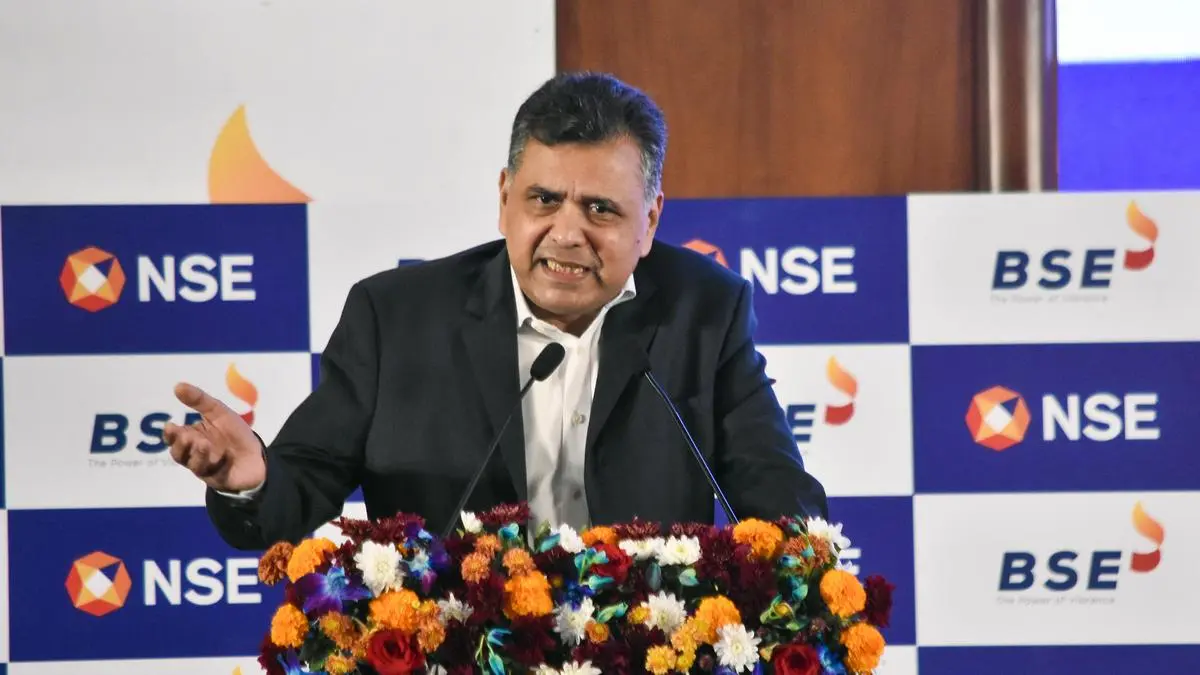
The National Stock Exchange of India (NSE) has expressed openness to listing its own shares on its trading platform, subject to the Securities and Exchange Board of India (SEBI) approving any potential conflicts of interest. Speaking after the exchange's recent stock market debut, Chairman Srinivas Injeti stated that while self-listing may not be permissible under current regulations, it could become feasible as rules evolve.
Injeti emphasized that the possibility remains a "realistic option" contingent upon SEBI's evaluation of conflict-of-interest concerns.
Currently, NSE primarily relies on transaction-based income, with around 80% of its revenue generated from trading activity. The remaining 20% stems from non-transaction businesses, which have been steadily expanding. The exchange aims to diversify its revenue mix over the medium to long term, with potential growth drivers including data monetization, technology solutions, connectivity services, and new product offerings.
Options trading remains a key earnings contributor, accounting for approximately 60% of operating revenue, with weekly index options contributing the majority.
NSE acknowledged that its dependence on weekly index options has waned since earlier levels, when this segment accounted for nearly 75-80% of revenues. The exchange is also looking to bolster its commodities segment, which is expected to grow as liquidity increases. Sriram Krishnan, NSE's chief business development officer, highlighted that crude oil options are generating significant premium turnover, with substantial growth potential as participation rises.
Additionally, NSE intends to expand its proprietary technology platforms and higher-margin businesses such as market data and connectivity services.
In response to queries about the exchange's underwhelming post-listing performance, Injeti explained that the IPO pricing was carefully calibrated to balance investor and selling shareholder interests. He noted that some value was intentionally left on the table for investors, while acknowledging that short-term stock performance would be influenced by broader market conditions.
NSE further disclosed that the offer size for sale was reduced from the originally proposed 6% to 5.11% following shareholder objections to the final issue price. Despite the subdued debut, NSE's leadership expressed optimism about the exchange's long-term growth prospects, citing factors such as economic expansion, rising retail participation, new products, technology-led innovation, and further market deepening.
Written by urgent.news from Hindu BusinessLine's reporting — not their text. Machine-written — may contain errors; check the original before relying on it.