Nikkei, Yen, Hang Seng: Asiens Börsen trotzen globalem Anleihe-Ausverkauf – Nikkei im Plus
Steigende Staatsanleiherenditen schüren Sorgen vor höheren Kreditkosten. Trumps Kritik am schwachen Yen bewegt zugleich die Devisenmärkte.
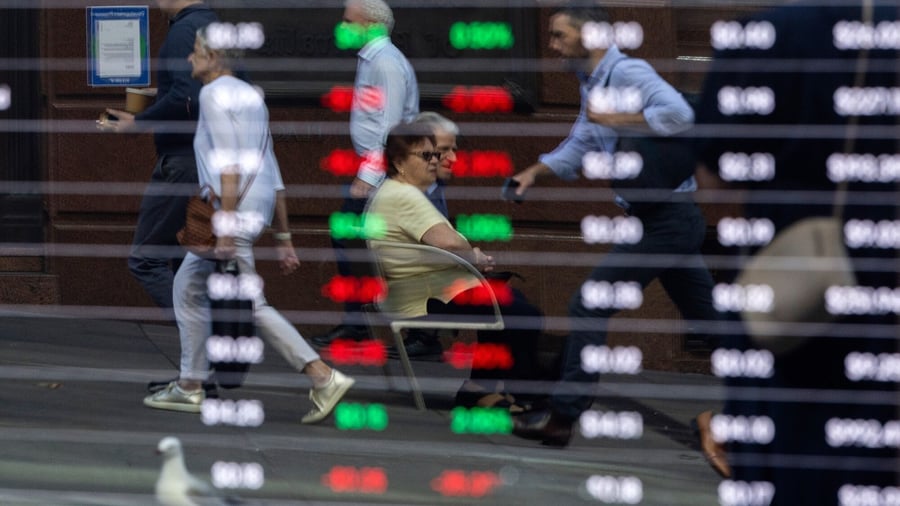
Asian stock markets defied a global bond selloff on Friday, with strong performances led by Japan's Nikkei Index. The Nikkei, which includes 225 stocks, rose 1.2% to 66,318 points, while the broader Topix index increased by the same percentage to 4,124 points. Trading volumes remained thin across the region due to holiday closures at major exchanges, including Shanghai, where no trading took place. Shanghai and Shenzhen indexes also remained dormant.
Speculation of higher global borrowing costs fueled investor sentiment, with Japan's 10-year government bond yields hitting their highest level since 1996. Nigel Green, CEO of deVere Group, cautioned that ignoring global bond markets could prove costly. For rates to reach over five percent in the U.S., any asset would need to justify its current price.
The focus shifted to political developments in Washington, where Chinese President Xi Jinping and U.S. President Donald Trump met. Despite the meeting, there were few indications of progress on contentious issues such as artificial intelligence, trade, or the Iran conflict, which kept Chinese markets suspended after the holidays. Diplomatic talks also generated attention, affecting currency markets.
U.S. President Trump expressed concerns about Japan's weak currency during a summit with Japanese Prime Minister Sanae Takaichi. Takaichi responded by assuring Trump that an undervalued yen was fundamentally problematic. The U.S. dollar had previously strengthened against the yen and other major currencies due to robust U.S. economic data and rising bond yields.
The Japanese Finance Minister, Satsuki Katayama, announced that she and U.S. Treasury Secretary Scott Bessent would continue close communication on currency matters.
In Asian currency markets, the Japanese yen reacted promptly to Tokyo's political statements and those from Washington. The dollar fell 0.3% to 158.38 yen and slightly rose to 6.7128 yuan against the Japanese yen. The Swiss franc saw a slight dip to 0.8283 francs, while the euro remained almost unchanged at 1.1377 dollars, gaining a bit to 0.9423 francs. On a weekly basis, the U.S. dollar benefited from expectations of further interest rate hikes by the Federal Reserve.
Written by urgent.news from Handelsblatt's reporting — not their text. Machine-written — may contain errors; check the original before relying on it.