New rape cases revive questions over why India’s tougher laws have not curbed sexual violence — and why women remain at risk
NEW DELHI, Sept 25 — A string of rape cases in India has reignited debate over women’s safety and raised que...
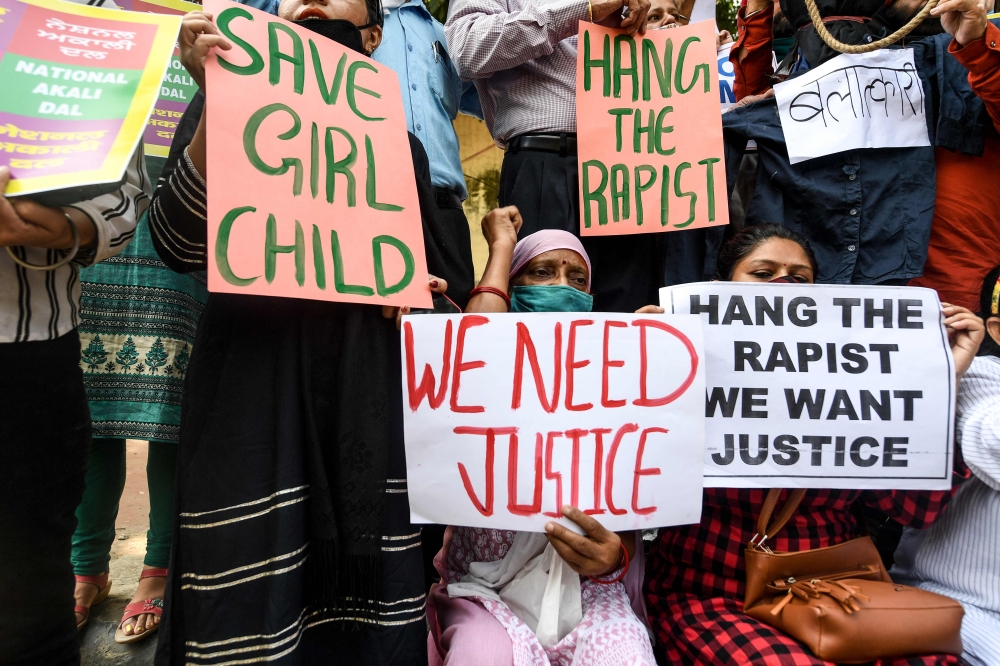
A series of rape cases in India have reignited discussions on women's safety and questioned the effectiveness of recent legal reforms and harsher punishments. On September 23, three men allegedly gang-raped a 17-year-old girl in a public park in New Delhi, posing as police officers. This incident echoes the 2012 gang rape and murder of a 23-year-old physical therapy student on a bus, which sparked nationwide protests and led to more stringent laws against sexual violence.
Despite these changes, including a broader definition of sexual offenses and stronger penalties for rape, campaigners argue that the reforms have not been sufficient. Women's rights activist Yogita Bhayana stated that the real solution lies in changing societal mindsets, noting that the mentality still views sexual violence as the woman's fault if she is out late or if men police others when they are seen with another man.
According to official data, India recorded an average of 80 rape cases per day in 2024, compared to around 68 per day in 2012, the year before the tougher laws took effect. However, activists believe the actual number of sexual assaults is likely higher due to the stigma many victims face for not reporting incidents. Recent weeks have seen additional high-profile cases, including the rape and murder of a 16-year-old girl and the alleged rape of a 17-year-old girl by a bus driver and conductor offering her a lift during heavy rain, both in Delhi.
Other regions are not immune, with a video surfacing showing a teenage girl being sexually assaulted in the eastern state of Bihar. While these cases have led to arrests and political condemnation, the lack of enforcement continues to be a major issue. Overburdened police forces and courts struggle to investigate cases adequately, hindering the impact of the reforms.
Criminal lawyer Shilpi Jain, who has represented survivors of sexual violence, said the problem lies with implementation rather than the law itself, citing the overworked nature of judges and police. With an average conviction rate of around a quarter of all rape cases making it to trial, the criminal justice system remains hindered by a vast case backlog, with less than 10% of over 200,000 rape cases completed in 2024.
Criminal justice expert Poonam Muttreja stated that legal reforms alone are insufficient to address a problem rooted in deeply ingrained social attitudes and inequality. Prevention efforts must begin early, she said, in homes, schools, communities, and digital spaces, including within the police system.
Written by urgent.news from Malay Mail's reporting — not their text. Machine-written — may contain errors; check the original before relying on it.