New model BIT sent to Cabinet, 4-5 agreements to soon be finalised: Sources
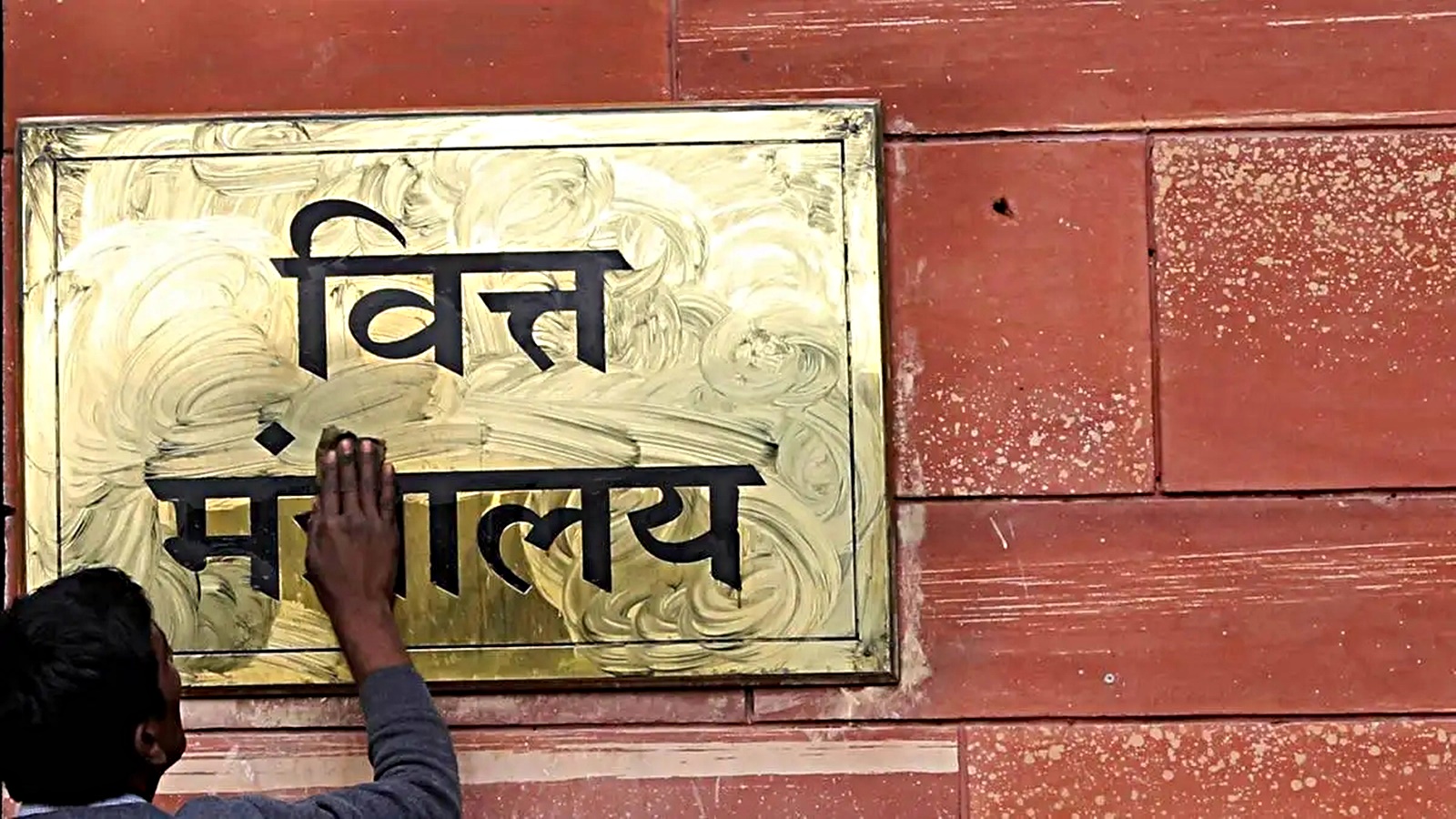
The Ministry of Finance has completed its review of the model Bilateral Investment Treaty (BIT) and forwarded it to the Cabinet Secretariat, according to a senior government official. The official revealed that the agreement with 4-5 countries, including Canada, is anticipated to be finalized soon under the new framework. The official, speaking anonymously, stated that the new model framework is awaiting approval and is designed to streamline the process.
This development comes after the Inaugural Canada-India Finance Ministers’ Economic and Financial Dialogue, where Finance Minister Nirmala Sitharaman expressed India's willingness to commence negotiations for a BIT at the earliest. Furthermore, the Union Budget for 2025-26 had outlined plans to review the 2016 model BIT to enhance its attractiveness for sustained foreign investment.
Although the official noted that 20-25 BITs had been signed based on this model, they have diverged significantly from the 2016 model in recent years. Notably, the new model BIT will incorporate agreements where India deviated from the 2016 framework. Although critics have proposed reducing the five-year local remedy period to one year or eliminating it altogether, the government remains committed to preserving the judiciary's role.
The official emphasized that certain "red lines" will not be compromised. The government is also open to shortening the duration for pursuing local legal remedies before resorting to international arbitration. For instance, the BIT signed with the UAE in 2024 stipulates a three-year local legal remedy period, which is shorter than the five years stipulated in the 2016 model BIT.
A BIT establishes rules governing private investment between two countries, fostering clarity and protection for foreign investments. This would be particularly advantageous given India's current struggle to attract substantial foreign direct investment (FDI), with net FDI inflows in the first half of 2026 amounting to $12 billion, an increase from $3.1 billion in 2025 and $2.9 billion in 2024, but still considerably lower than the $35 billion recorded in 2002 and $53 billion in 2020.
A model BIT serves as a standard document guiding the creation of individual agreements with various nations. The current Indian government follows the BIT model approved in December 2015 and adopted in January 2016, which has faced criticism due to its five-year local remedy requirement before international arbitration. Additionally, the exclusion of any tax-related provisions from the model BIT is another contentious issue, with tax sovereignty being a fundamental principle for India.
Written by urgent.news from The Indian Express's reporting — not their text. Machine-written — may contain errors; check the original before relying on it.