New global maps chart 40 years of ocean heat and acidification extremes
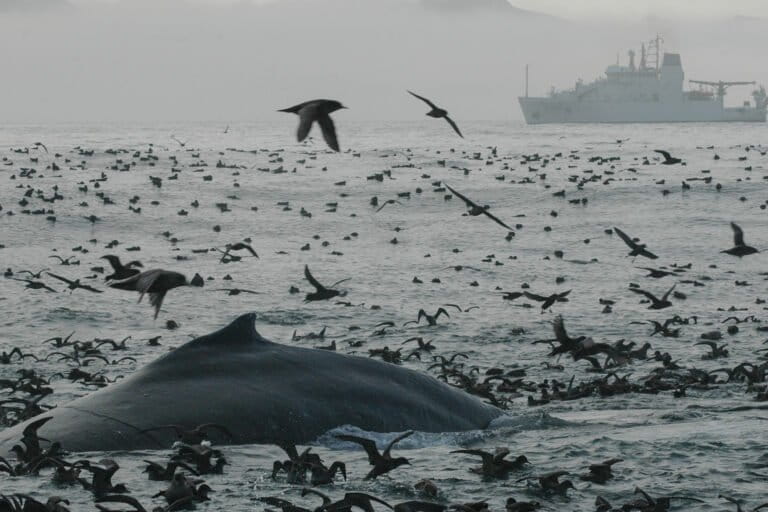
Between 2014 and 2015, a marine heatwave known as “The Blob” warmed an area of the Pacific Ocean larger than the United States and Mexico combined. The massive event fueled toxic algae blooms, collapsed fisheries, killed off millions of emaciated seabirds, sent dead fin whales (Balaenoptera physalus) and sea otters washing up on Alaska and […]
A recent study published in the journal AGU Advances has mapped the frequency, intensity, and duration of marine heat and acidification extremes over the past 40 years. The findings shed light on the complex relationship between these two environmental threats, which can have severe consequences for marine life and coastal communities.
The study revealed that compound heat-acidity events, where both factors occur simultaneously, are more common than previously thought. Researchers from the Swiss Federal Institute of Technology in Zurich found that these events happen together "more frequently than would be expected by chance." Instead, they attribute their occurrence to underlying ocean physics that allow marine heat waves to become unusually acidic in certain regions.
These compound events are typically short-lived and confined to small areas, with 67% of the 500 identified events lasting less than three months. Despite their limited duration, the impact of these events can be devastating. In 2014-2015, a marine heatwave known as "The Blob" caused toxic algae blooms, collapsed fisheries, and killed millions of seabirds along the west coast of North America.
The event was also responsible for the deaths of numerous fin whales and sea otters on the coasts of Alaska and British Columbia, as well as the washing up of starving sea lions on California shores.
The study's findings are particularly relevant in the context of the upcoming 2026-2027 "super" El Niño, which could lead to unusually warm waters in the equatorial Pacific due to changing wind patterns. Understanding the frequency and intensity of compound heat-acidity events during this period could help prepare for potential ecological and economic consequences for coastal communities.
Written by urgent.news from Mongabay's reporting — not their text. Machine-written — may contain errors; check the original before relying on it.