Malaysia among 'fabulous five' Asean economies set to attract more FDI – Economist
KUALA LUMPUR: Malaysia is among five Asean economies poised to attract more foreign direct investment (FDI), supported by their strengths in manufacturing and digital infrastructure.
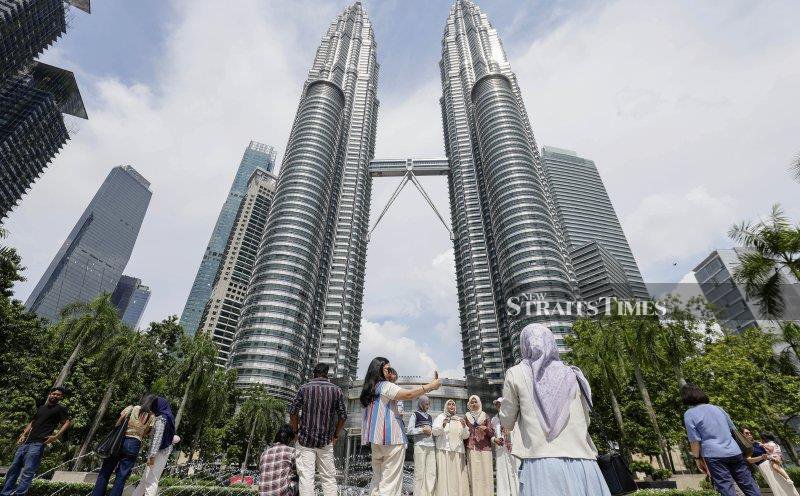
KUALA LUMPUR: Malaysia joins a select group of five Southeast Asian nations expected to draw more foreign direct investment (FDI) as the region's focus shifts towards building productive capacity. Shan Saeed, a global chief economist at Juwai IQI, identified Malaysia, Indonesia, Thailand, the Philippines, and Vietnam as these economies, referring to them as the "Fabulous Five."
These countries collectively received US$85.3 billion in FDI in 2025, accounting for approximately 35% of the entire Asean FDI inflow of US$243.9 billion, according to estimates from the United Nations Conference on Trade and Development's World Investment Report 2026.
The concentration of investment intentions, rather than merely disbursed capital, signals where the region's future factories, data centers, and semiconductor capacity may develop. Saeed highlighted that manufacturing FDI in the region surged nearly 150% to US$44 billion in 2024. Digital infrastructure further bolsters this trend, particularly as the global data center value chain is projected to require around US$6.7 trillion in cumulative investments between 2025 and 2030.
Key data center locations include Johor, Jakarta in Indonesia, and Chonburi in Thailand, as identified by McKinsey.
Each of the five economies brings unique strengths to this transition. Indonesia contributes its resources, Malaysia's semiconductor and digital infrastructure sectors, Thailand's manufacturing capacity, Vietnam's export platform, and the Philippines' services sector. While the attraction of FDI is a significant achievement, converting that interest into operational capacity and generating higher-value supply chains presents a more considerable challenge.
Factors such as energy security, regulatory credibility, and the depth of human capital will be crucial in determining how much of the announced investment transforms into productive capacity and drives technology transfer, skilled employment, and improved supply chains.
Written by urgent.news from New Straits Times's reporting — not their text. Machine-written — may contain errors; check the original before relying on it.
This story
This is one outlet's version. Read the fullest account.
- Malaysia among ‘Fabulous 5’ economies for FDI, says economist freemalaysiatoday.com