Libraries are becoming a cost-of-living hack, and some are seeing a surge in sign-ups
Libraries are drawing in users with free streaming, local business discounts, and tech help as the cost of living bites
As the cost of living continues to rise, libraries are gaining popularity as a budget-friendly alternative. In Glenview, Illinois, a library card now doubles as a discount pass, offering deals to cardholders throughout September - Library Card Sign-Up Month. With everyday expenses such as groceries and movie tickets skyrocketing, a library card provides access to free books, movies, and TV shows, as well as discounts on various purchases.
Some libraries are also partnering with local businesses to help cardholders stretch their budgets even further.
Brooklyn Public Library saw a 16% increase in new card registrations over two years, with 150,018 new registrations as of August. Similarly, Glenview saw an 8% increase in cardholders as of August 31. The library's circulation of audiobooks, movies, ebooks, and TV streaming also jumped 38%.
Some libraries are even expanding their services to provide help with everyday tasks, like tech support and repairs. The Brooklyn Public Library offers digital lending services like Hoopla and Libby, allowing patrons to borrow ebooks, audiobooks, and movies without paying for subscriptions. Libraries are also hosting "repair cafes" to help visitors fix and reuse items, reducing waste.
Additionally, libraries are leveraging their community-centric nature to provide assistance beyond books and physical media. Glauda, the programs and outreach manager at the Southeastern New York Library Resources Council, highlighted that libraries are now "digital navigators," helping patrons learn to use devices and solve problems. Some libraries even host "repair cafes" and lend out unique items like a robot cat for senior citizens.
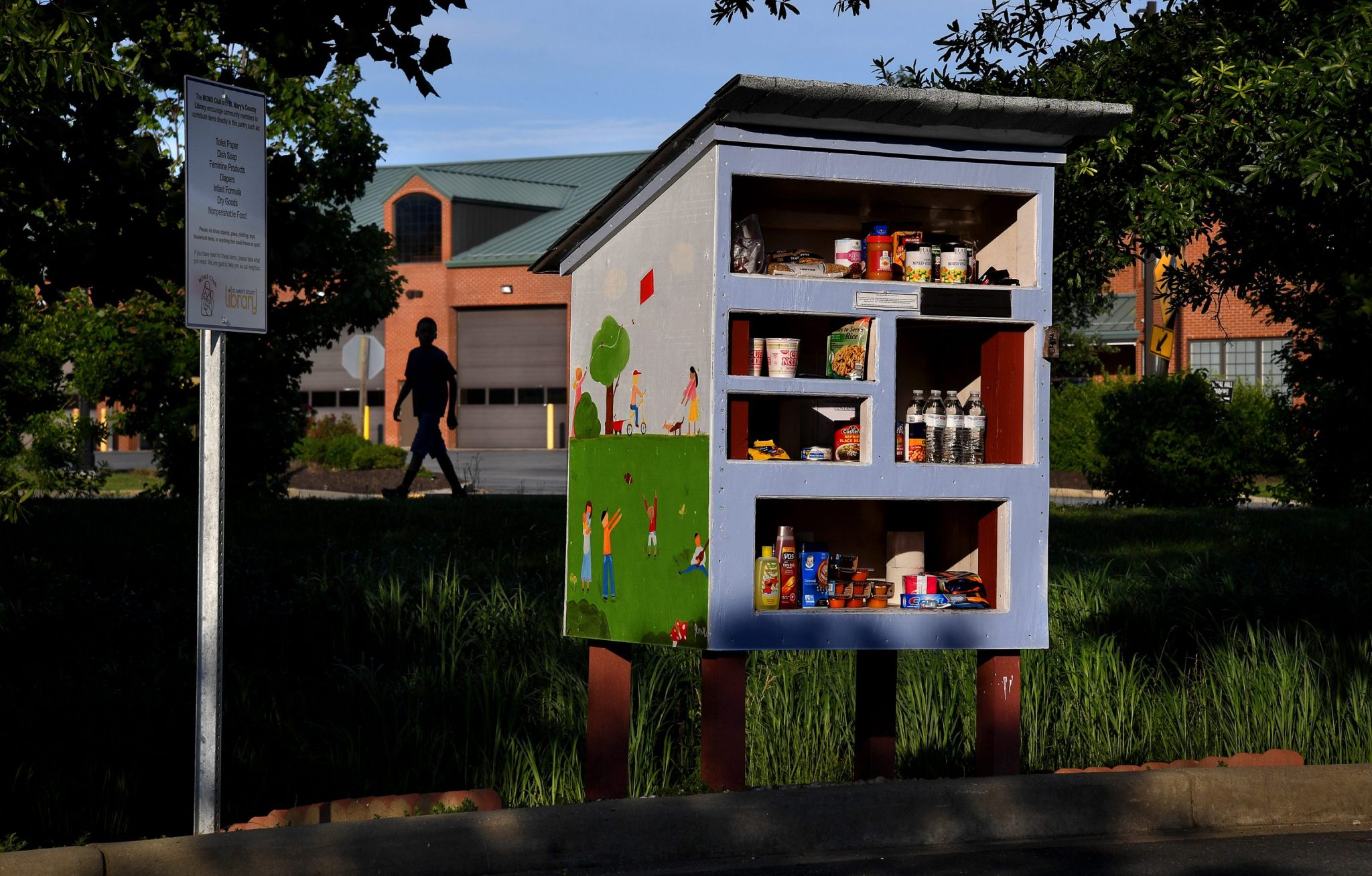
Libraries are also using these services to advertise their offerings. In Beacon, New York, a library recently cleared part of the street for a food distribution van and moved a community refrigerator indoors due to weather issues. These proactive measures aim to make library services more visible and accessible to the community.
As people cut back on spending, free alternatives like libraries become more appealing, especially during hard times. Library use rose during the Great Recession, with visits and checkouts per person increasing modestly. However, the relationship between local economic conditions and library use remains unclear. Regardless, libraries continue to serve as important third spaces for people to gather and engage in community activities, offering free programming like crafting classes and puzzle exchanges.
Written by urgent.news from Fortune's reporting — not their text. Machine-written — may contain errors; check the original before relying on it.