Laborstudie: Studie: Extreme Hitze kann Entwicklung von Hummeln schädigen
Hitzestress im Hummelnest ist schädlich für die Puppen und kann die Lebensdauer der erwachsenen Insekten verkürzen. Das könnte Folgen für das gesamte Ökosystem haben.
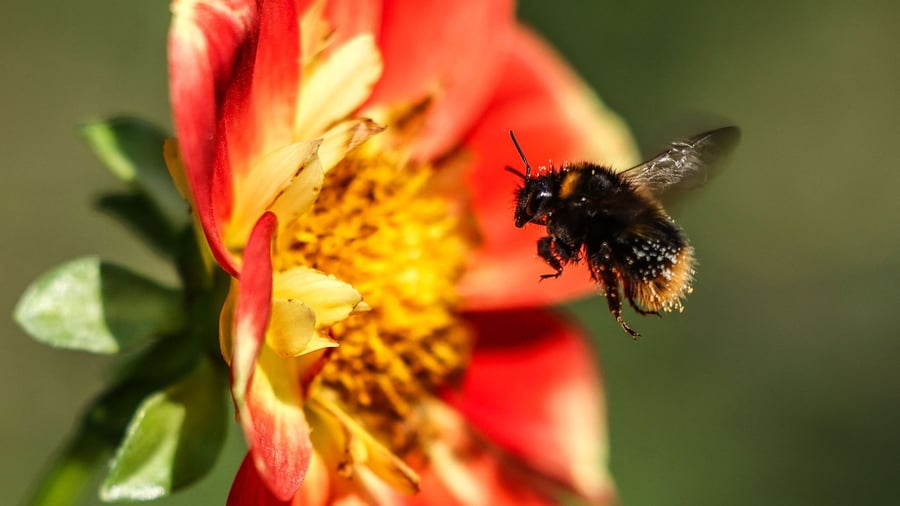
A study has found that extreme heat can damage the development of bees and shorten their lifespan. Researchers from the University of Regensburg explained that a decrease in bee populations could have significant impacts on the ecosystem, as bees are crucial pollinators for many wild and cultivated plants, contributing to biodiversity and food production.
The study, published in the journal "Communications Biology", investigated the effects of heat stress on the development of the Dark Ground Bee (Bombus terrestris) in a laboratory setting. Led by researcher Christoph Kurze, the team studied larvae and pupae, precisely controlling the intensity and duration of heat stress to mimic the temperatures of extreme summer days.
Temperatures were raised to a maximum of 38 degrees Celsius, rising every twelve hours. This resulted in pupa mortality rates of up to 30 percent and developmental damage that doubled the risk of death for adult bees and significantly shortened their lifespan. The bees also exhibited more deformities, such as crippled wings and antennae.
Kurze concluded that heat appears to severely affect the tissue development of pupae. "Affected bees not only have a shorter lifespan, but in extreme cases, they may become flightless or suffer impaired olfactory senses, which reduces their foraging success or ability to recognize nestmates." The researchers believe that extreme heat stress is unlikely for ground-nesting species like the Dark Ground Bee, but may impact surface-nesting species like the Field Bee and honeybees used in greenhouse pollination.
Written by urgent.news from Handelsblatt's reporting — not their text. Machine-written — may contain errors; check the original before relying on it.