Konflikt mit Huthi im Jemen: Frankreichs Militär will Ölhafen in Saudi-Arabien schützen
Soldaten, Radaranlagen und Verteidigungssysteme: Damit will Frankreich eine für den Weltmarkt bedeutende Öleinrichtung in Saudi-Arabien schützen. Das soll helfen, die Spritpreise wieder zu drücken.
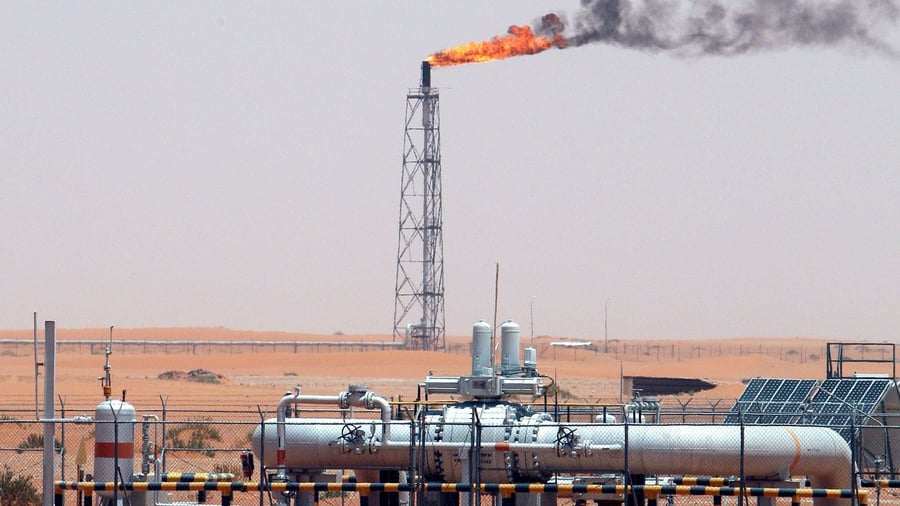
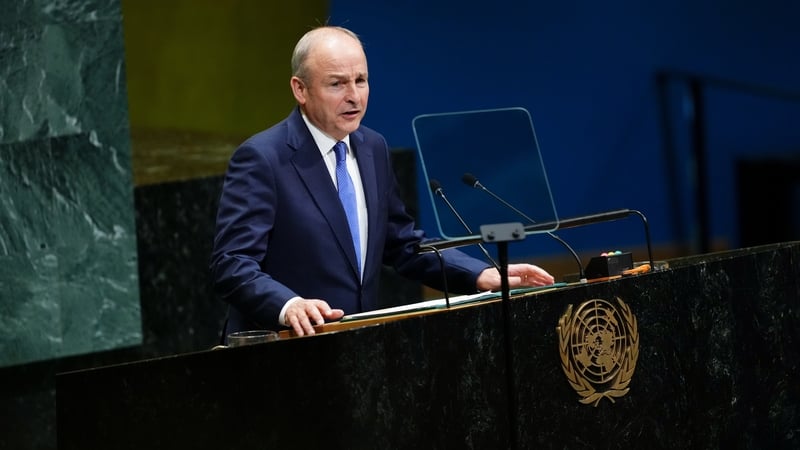
Frankreich's military intends to protect a crucial oil terminal in Yanbu, Saudi Arabia, to ensure the steady supply of oil to the global market, according to President Emmanuel Macron. The French leader confirmed this during an interview with TF1 and France 2. The talks with Saudi Arabia were completed today, he added.
Saudi Arabia was the second-largest oil producer and the biggest exporter of crude oil, which is vital to the global economy, before the Iran war. The crucial east-west pipeline bypasses the Hormuz Strait, which is currently factually blocked, and transports large quantities of oil from the eastern coast of Saudi Arabia to Yanbu on the western side of the Red Sea.
The 1,200-kilometer-long pipes were temporarily shut after attacks by Iranian-backed Huthi militia from neighboring Yemen two weeks ago. Media reports suggest that oil is now flowing through the pipeline again, but at a significantly reduced rate due to attack damage. The maximum capacity is up to seven million barrels per day. Macron stated that the facilities in Yanbu were "severely damaged" during the Huthi attacks.
France does not want to engage in the conflict; it is merely focused on protecting the important oil terminal in Yanbu. Macron explained that stabilizing Yanbu would impact fuel prices daily, as five million barrels of crude oil could be unloaded there. When the situation eases, the reduction in prices would be noticeable at the gas station within two days, he argued.
The domestic political pressure on Macron is growing due to high fuel prices, just like US President Donald Trump, who has called for more engagement from US allies in the region. Macron did not provide specific numbers on the amount of French soldiers to be sent to Saudi Arabia or the specific military systems to be deployed. However, his mention of radar equipment suggests that the primary focus is likely to be on air defense against potential attacks from Huthi drones or ballistic missiles.
In addition, Britain has recently pledged defensive military aid to Saudi Arabia in the fight against the Huthi, in the form of aircraft for aerial refueling. When asked if French fighter jets were also planned, Macron stated that it was not currently being considered. "We will observe the developments and then act as needed," he said. France has fighter jets in the region.
The Huthi rebels are threatening oil exports to Asia since the beginning of the Iran war in late February and the near-complete blockade of the Hormuz Strait due to Iranian threats and attacks on ships. Saudi Arabia is now trying to prevent an even further drop in its oil exports by using the pipeline, which is now also at risk as the Huthi control the Red Sea coast and strategically important islands.
This would potentially obstruct Saudi ships passing through the Bab al-Mandab strait at the southern exit of the Red Sea, which is necessary for shipping to Asia. However, the northern Red Sea route through the Suez Canal to Europe remains open for now.
Written by urgent.news from Handelsblatt's reporting — not their text. Machine-written — may contain errors; check the original before relying on it.
This story
This is one outlet's version. Read the fullest account.