Jazan’s ghalif plant blends biodiversity with culinary heritage
The ghalif plant stands out in Jazan as a symbol of biodiversity and culinary tradition, with locals incorporating it into traditional dishes.
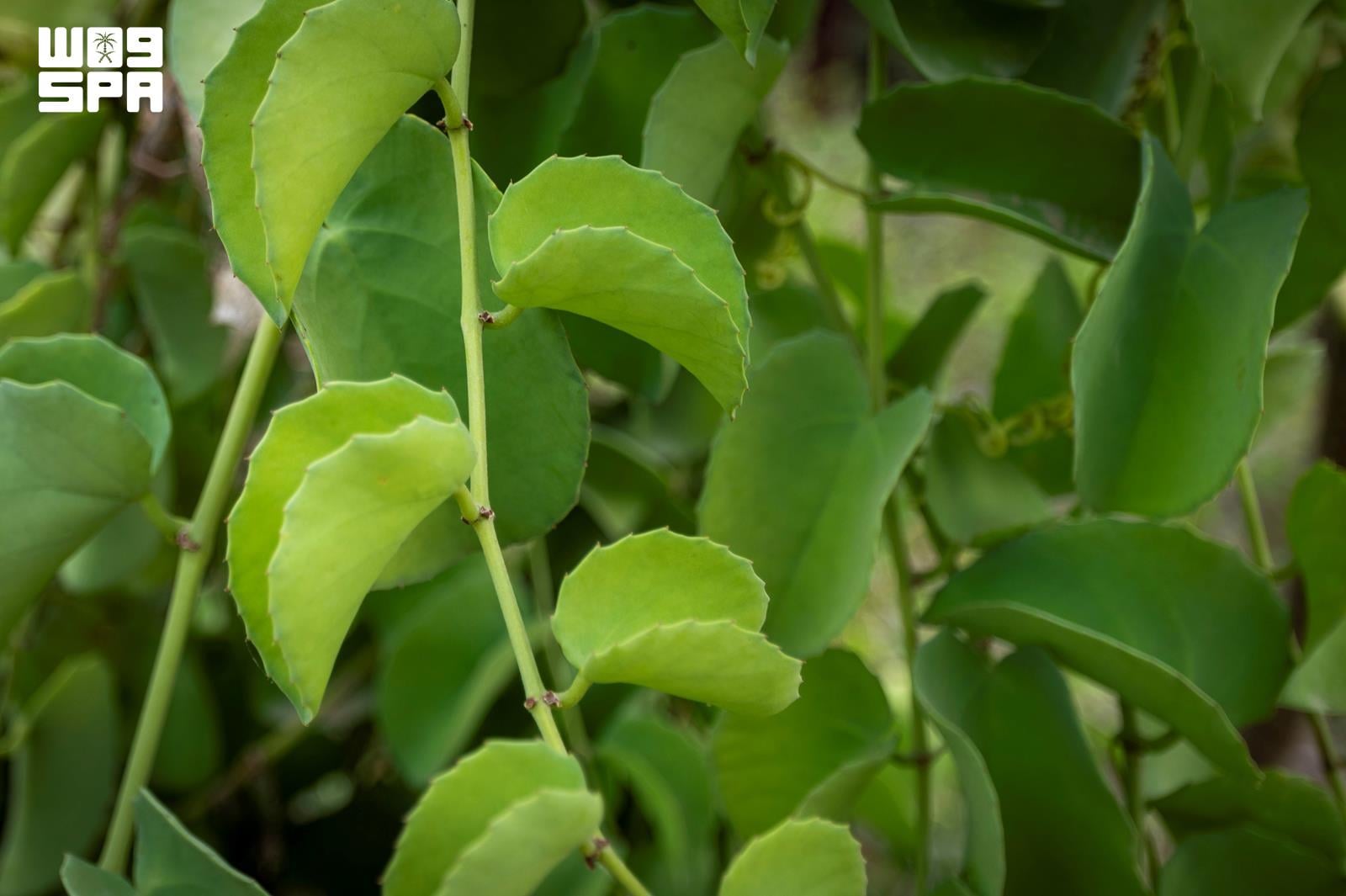
In Jazan, the ghalif plant serves as a symbol of the region's biodiversity and culinary heritage. This perennial climber, scientifically named Cissus rotundifolia and belonging to the grape family, is commonly found in the plains and highlands of southwestern Saudi Arabia. It thrives in warm and moderately humid conditions. The ghalif plant is characterized by its fleshy, cylindrical stems that can reach up to 10 meters in length, with a diameter of approximately 1.5 centimeters.
It climbs trees and spreads along the ground using tendrils. The plant produces small, yellowish-green flowers in clusters on its new stems. Dr. Yahya bin Suleiman Masrahi, a professor of plant ecology at Jazan University, described the ghalif's leaves as thick, succulent, and nearly round with serrated edges, which store water to help the plant endure droughts.
Once the plant flowers, it bears small, berry-like fruits that transition from green to deep red as they ripen, containing a sticky, yellowish-orange pulp. The ghalif plant plays a significant role in Jazan's culinary tradition, being used in local dishes like hanith, where its branches and leaves are cooked with meat for added flavor.
The plant is also sold in local markets, especially favored by women and the elderly. Its leaves are boiled, mashed, and prepared with sesame oil, sometimes including pepper, and served with tannour bread or lahoh. Historically, ghalif leaves and stems have been utilized for various purposes, such as folk remedies and cleaning silver items, although these uses remain part of the local heritage and are not considered alternatives to modern medical treatments.
The ghalif plant is an integral part of Jazan's diverse landscape, illustrating the connection between people and their environment. For generations, locals have harnessed the unique properties of the ghalif plant in their daily lives, showcasing human ingenuity in utilizing natural resources while incorporating them into tradition and cuisine.
Written by urgent.news from Ajel English's reporting — not their text. Machine-written — may contain errors; check the original before relying on it.