Italy to ban burkas in schools, with 30% cap on pupils with poor Italian
Italy has passed a decree banning face coverings in all schools and capping the proportion of newly arrived foreign pupils with insufficient Italian at 30 per cent per class from the next school year, the government in Rome said on Friday. The government said the 30 per cent quota applies in primary school to children who do not hold Italian citizenship, were not born in Italy and have not…
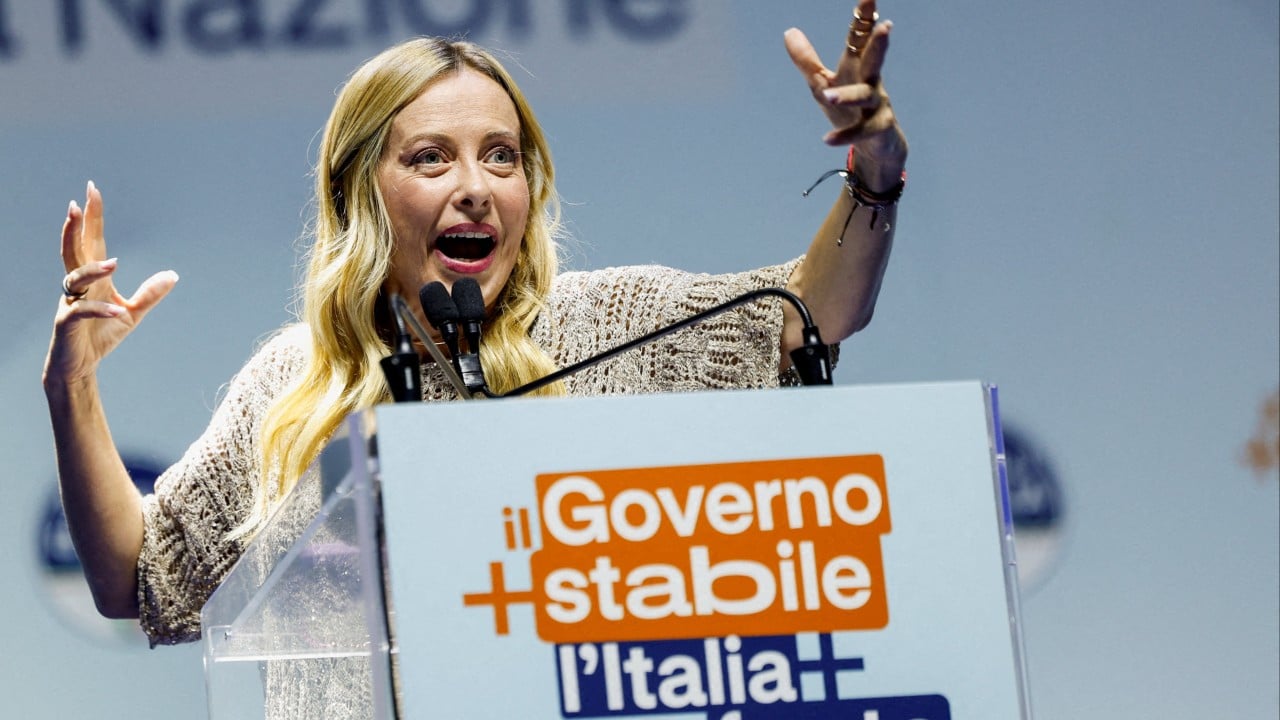
The rise of Islamophobia in Italy is becoming increasingly evident as the political right emphasizes the demonization of Muslims. Giorgia Meloni, the prime minister, recently announced a ban on the burqa and niqab in schools, along with a 30 percent cap for children without Italian citizenship or poor knowledge of the Italian language in primary, middle, and high school. These measures, said Meloni, are "common-sense tools" to aid integration.
The controversy surrounding the ban stems from Italy's citizenship system, which is primarily based on descent rather than where a person was born. Consequently, individuals born in Italy to non-Italian parents may still be considered foreign citizens. The debate centers around who should be considered Italian versus foreign.
Islamophobia is not isolated to Meloni's initiatives. In Mestre, a banner declaring "Your integration is our ruin" appeared outside a school with a large Bangladeshi community. Additionally, anti-Muslim graffiti was found at a public park where Muslims hold Friday prayers. Meanwhile, a dispute over plans to build a permanent mosque and Islamic center in Mestre has gained traction, with opponents like Anna Maria Cisint, a European parliament member for the Lega party, vehemently opposing the construction.
Far-right movements, particularly Roberto Vannacci's Futuro Nazionale, have gained momentum in recent years by advocating for a more restrictive immigration policy. Vannacci argues that the country should not make citizenship easier for immigrants, as naturalized citizens may not vote in Italy's best interest. This shift in political discourse has intensified the struggle for control over voters on the Italian right and highlighted the core question: who has the right to become Italian?
Written by urgent.news from Middle East Eye's reporting — not their text. Machine-written — may contain errors; check the original before relying on it.
This story
This is one outlet's version. Read the fullest account.
- Who gets to be Italian? The rise and rise of Islamophobia in Italy middleeasteye.net