India should allow exchanges to list on own platform, NSE chairman says
India’s markets regulator should reconsider allowing exchanges to list on their own platforms, NSE Chairman Srinivas Injeti said on Friday, a day after the bourse operator debutedon rival BSE at a valuation of about $47 billion. India’s markets regulator debated allowing self-listing in 2015 but rejected the idea over potential conflicts of interest, requiring their shares to trade on rival…
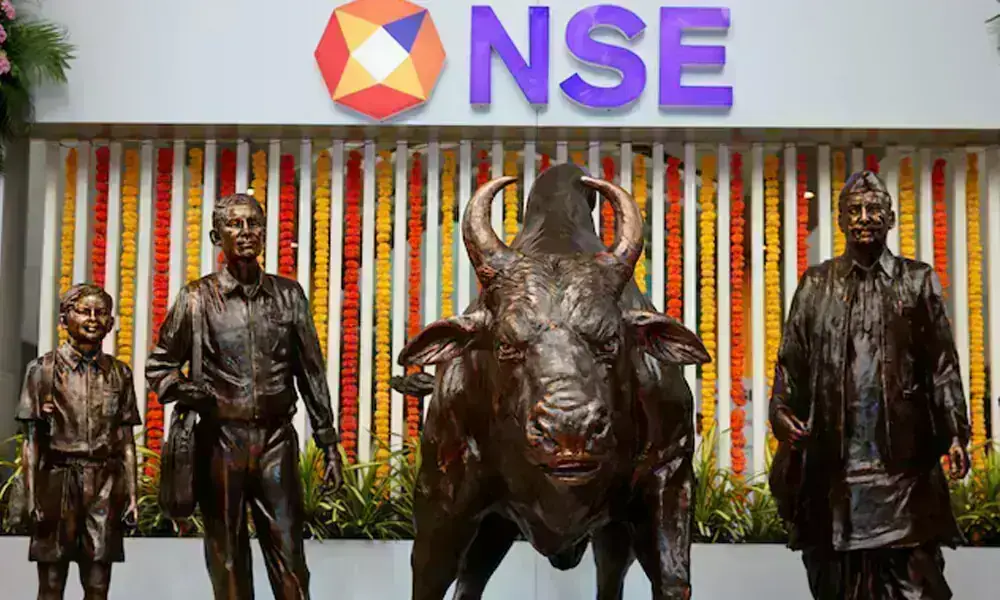
India's markets regulator, the Securities and Exchange Board of India (SEBI), should reconsider allowing stock exchanges to list their shares on their own platforms, NSE Chairman Srinivas Injeti suggested on Friday. This revelation came following the debut of India's largest exchange, NSE, on rival BSE, valued at around $47 billion.
Injeti's comments come a year after SEBI debated self-listing in 2015 but ultimately rejected the notion due to potential conflicts of interest, which would require exchange shares to trade on competing platforms. However, self-listing is already permitted in several major global markets, such as the United States, where the New York Stock Exchange's parent company, Intercontinental Exchange, is listed and traded on the NYSE.
Currently, NSE accounts for approximately 93% of India's cash-market trading and nearly 75% of options trading. While the impact on options volume is deemed overblown, the world's busiest derivatives exchange is facing reduced volumes due to regulatory changes and the growth of alternatives like monthly options. NSE's Chief Executive Ashish Chauhan noted that volumes are still robust and diversified across various instruments, including monthly options.
SEBI has been striving to curb speculative options trading by raising costs while promoting growth in the cash market. Injeti proposed that allowing foreign portfolio investors (FPIs) to trade bullion contracts could further bolster NSE's commodities business. FPIs were recently permitted to participate in physically settled non-agricultural commodity derivatives, a move anticipated to increase trading volumes in bullion contracts by expanding the investor base and aligning the market more closely with global standards.
Chauhan added that commodities and data monetization will evolve from auxiliary activities into standalone revenue sources in the coming years.
Written by urgent.news from Business Recorder's reporting — not their text. Machine-written — may contain errors; check the original before relying on it.