I'm Tired of Being on the Network
It's difficult to discern how weary an individual has become from the perpetual-online lifestyle. The individuals who relish constant connectivity are rarely seen without their devices, whether in their pocket, palm, or face-down beside their fork. Yet, those who are less enamored tend to set their phones down, much like one would discard a heavy backpack after a prolonged day of walking.
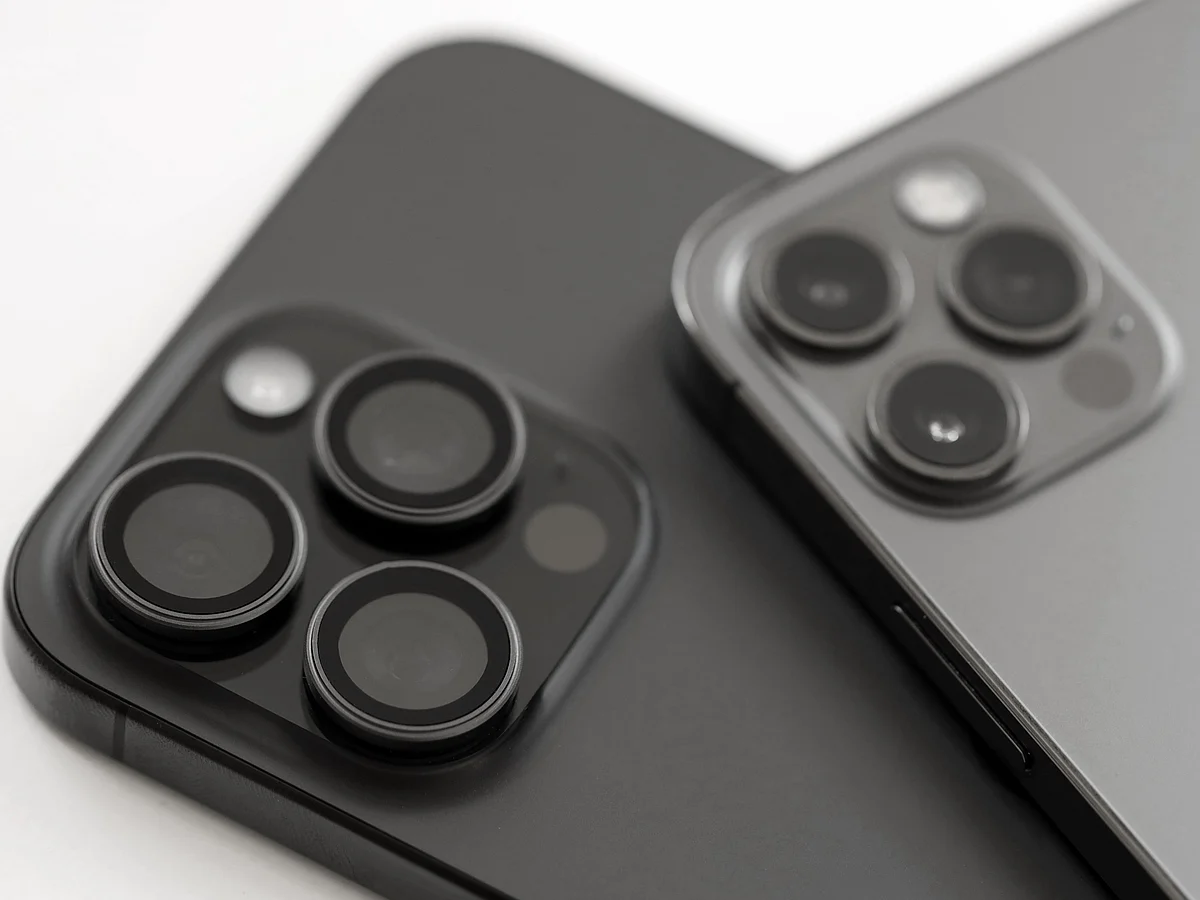
My spouse seldom puts her phone down; rather, she launches it from her hand to the farthest corner of the room within seconds. Admitting my resentment towards the smartphone is an embarrassing admission, for I once admired and championed these devices. I meticulously researched every new model, switched between iOS and Android, and even camped out at 3 a.m. for the first iPhone launch.
The initial excitement of holding a real-life Star Trek device in my hands is now a distant memory. Reflecting on my past enthusiasm, it feels somewhat mortifying, akin to the year I dyed my hair blonde and shopped at Hot Topic. Our arguments about the superiority of iOS or Android were once fervent. Yet, now, I am unable to identify the specific iPhone model in my pocket or provide a reason for upgrading, except the inevitable need for a new battery.
Once a beacon of the future, my first computer lacked any networking capabilities, and then came dial-up, ethernet, wireless, and finally, the smartphone in my pocket. Each transition felt like confirmation that the future was arriving as planned. These smartphones were prized possessions. They were cherished, debated over, and held a sentimental value.
Now, they are a burden. In Denmark, I am obligated to carry the Aula app for school, the Rejsekort app for trains, MitID for state identification, and e-Boks for official communications. These digital requirements are presented as a choice, but in reality, it is compliance. The offline option exists in the same way a wheelchair ramp exists at certain train stations, installed after the fact, barely accommodating any wheelchair, and posed as a last resort.
We are all expected to accept this digital compliance, a mere physical counter open during limited hours, much like the ticket machine that no longer accepts cash. The last genuine pleasure in acquiring a new phone is the color selection, the sole decision left in the otherwise sterile packaging. The joy of unboxing diminishes as I place it in a durable case, restore from backup, and watch the old data seamlessly migrate into the new device.
The soul transfer, completed in ninety seconds over Wi-Fi, leaves me devoid of any attachment to the previous phone. The moment I dropped my phone without hesitation, I realized something had gone awry in my relationship with technology. The phone simply fell from my hands and hit the floor, leaving me feeling a slight sadness. From that moment onward, I could not stop noticing the numerous aspects I despised about the device.
The constant storage limitations, compromised photo quality, absence of control over app installations, and intrusive advertisements invaded my daily life. I felt as though the phone had willingly left my grasp, so bewildering was its abrupt departure. The last few months of our relationship mirrored this disconnection. Every time the phone battery ran low, it was as if the relationship had ended, leaving me frustrated and irritated.
The incessant notifications, reminders, and requests for upgrades were akin to a toxic partner constantly demanding more from you. I yearned for the simpler times of AM radio, where advertisements were at least entertaining. Now, I find myself actively detesting this constant barrage of notifications and advertisements. This rectangle of annoyances accompanies me from room to room, requiring nightly charging to prevent me from smashing the device and purchasing its successor.
Written by urgent.news from Hacker News's reporting — not their text. Machine-written — may contain errors; check the original before relying on it.