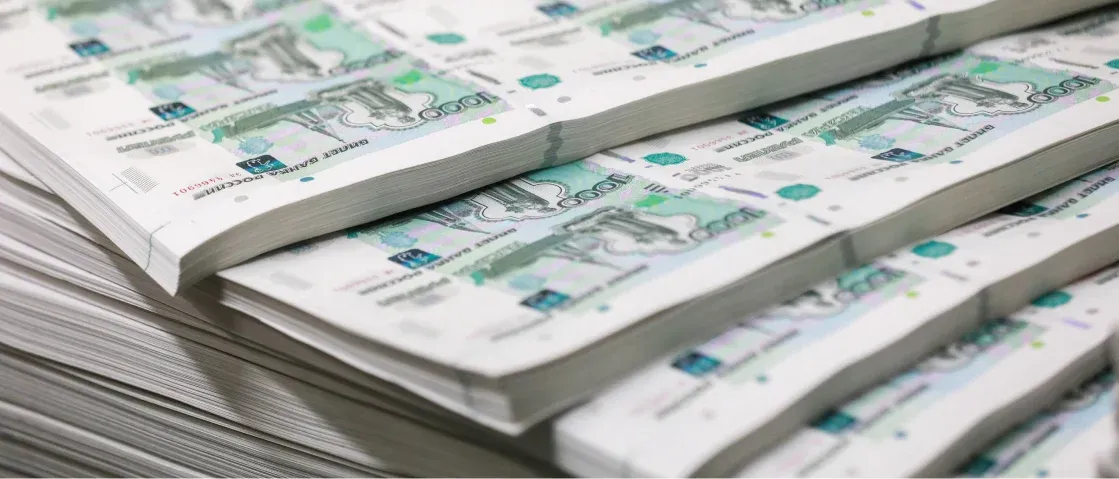
How the government’s digital economy bill aims to reduce cash use in everyday payments
By making digital payments easier even in transactions with small businesses such as tienditas and food stalls, the government is hoping to include more people in the modern system as it boosts the economy. The post How the government’s digital economy bill aims to reduce cash use in everyday payments appeared first on Mexico News Daily
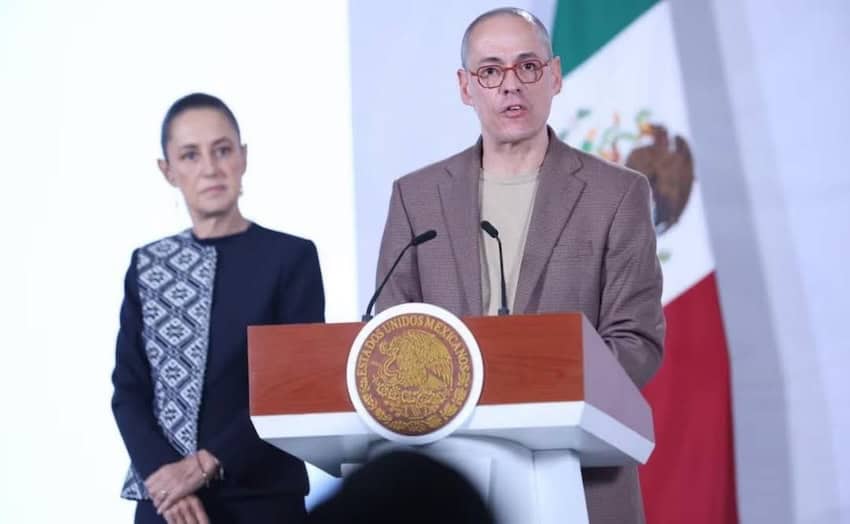
The Mexican government is proposing a new Digital Economy Law for Digital and Electronic Payments in its 2027 economic package. The goal of this legislation is to accelerate the adoption of digital transfers to reduce reliance on cash and promote financial inclusion. José Antonio Peña Merino, head of the Agency for Digital Transformation and Telecommunications, highlighted that the bill would benefit small businesses and independent workers by enabling easier access to financial products and credit.
The proposed law introduces the N2 Bis bank account, a new type of account for small businesses, with a higher cash limit of 135,000 pesos (US $7,615) after the inclusion of digital transfers. Additionally, the bill aims to digitize government payments and gradually decrease cash usage in strategic sectors like gas stations and toll roads.
Financial institutions have until December to implement the CoDi program, which allows for three-step electronic payment methods via mobile banking apps.
Written by urgent.news from Mexico News Daily's reporting — not their text. Machine-written — may contain errors; check the original before relying on it.