Hitler Had an Intense, Mysterious Relationship With His Half-Niece. New Research Suggests His Alibi for Her Murder Might Not Hold Up
Recently uncovered documents about the timing of Geli Raubal’s death cast new doubt on the Nazi leader’s alibi, which had been considered reasonably sound for nearly a century
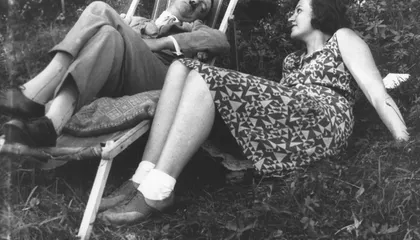
The Nazi Party leader Adolf Hitler, responsible for orchestrating the mass killings of millions across Europe, had a complex relationship with his half-niece, Geli Raubal. In 1931, Raubal, then 23 years old, was found dead in Hitler's Munich apartment, with a gunshot wound to her lungs. Officially, it was classified as a suicide, but recent research suggests this narrative may be misleading.
A German historian named Harald Sandner claims to have uncovered evidence in Munich's archives that contradicts the long-held tale. According to Sandner, police records reveal Raubal's body was discovered on the morning of September 18, not September 19, as previously stated. This discrepancy, coupled with other inconsistencies, raises questions about Hitler's alibi, which stated he was in Nuremberg that day.
Sandner argues that Hitler's team may have been involved in manipulating public records to protect the dictator's status, as Nazi officials met to strategize on how to share the news publicly following Raubal's death. The timing of those meetings, along with reports of intense arguments between Hitler and Raubal and injuries on her body, suggest a cover-up to maintain Hitler's political momentum.
While Sandner's findings have been validated by another historian, it remains unclear whether this evidence definitively disproves the official suicide narrative.
Written by urgent.news from Smithsonian's reporting — not their text. Machine-written — may contain errors; check the original before relying on it.